
Genre · New Orleans, around 1900
Jazz
Where to start with jazz
Jazz began in New Orleans around the start of the 20th century, in Black communities where blues, ragtime, brass bands and church music met. Its heart is improvisation: the band plays a tune, then each musician takes a turn inventing new melody over it, live, while the others respond.
Listen for three things. The swing, a rhythm that leans forward and makes you nod. The solo, where one player steps out and tells their own version of the song. And the conversation, the way drums, bass and piano answer the soloist. Every style on this page keeps at least one of them.
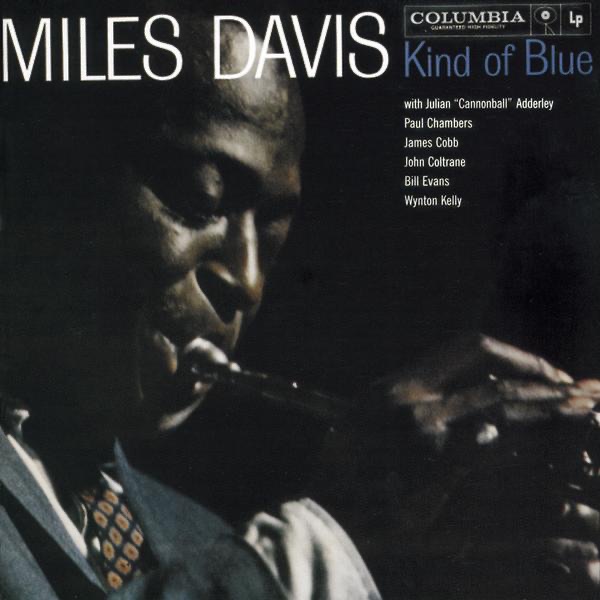
If you only play one jazz album, make it this one: unhurried, melodic and made to be heard all the way through.
Part of Modal jazz →Where to start: 8 jazz albums, in order
Click a cover to hear 30-second previews. Start at the top; each record takes you a little further.
- 01
Kind of Blue
Often called the best-selling jazz album ever, and one of the calmest: slow tunes built on a few scales, with John Coltrane, Cannonball Adderley and Bill Evans taking turns. Play it start to finish.
Modal jazz 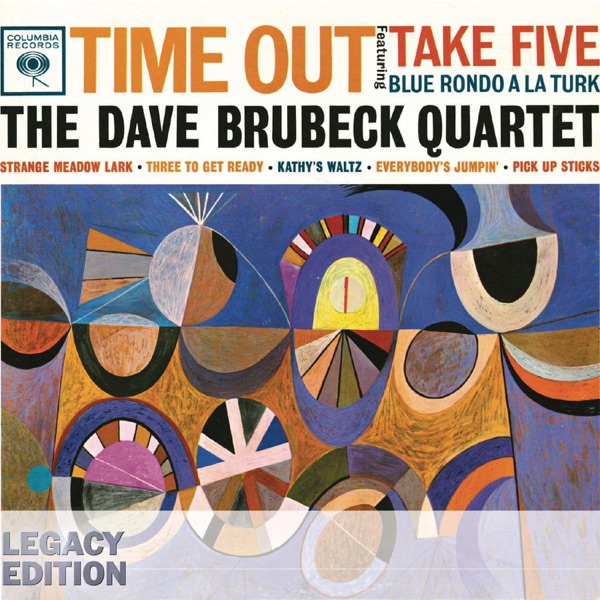 02
Time Out
'Take Five' is in 5/4 time, yet nothing here feels difficult: light piano, Paul Desmond's dry alto sax and tunes you can hum.
Cool jazz 03
Getz/Gilberto
Stan Getz's tenor sax meets Brazilian bossa nova. 'The Girl from Ipanema' made it a hit, and the whole album is soft enough for a Sunday morning.
Bossa nova 04
The Atomic Mr. Basie
Jazz as dance-band music: a big band that swings hard and stays tight, playing Neal Hefti's arrangements. This is what swing feels like.
Swing music 05
Saxophone Colossus
Saxophone, piano, bass and drums. Rollins plays a calypso ('St. Thomas') and builds long solos out of short melodies: small-group jazz at its most direct.
Hard bop 06
Jazz at Massey Hall
Charlie Parker, Dizzy Gillespie, Bud Powell, Charles Mingus and Max Roach on one stage in Toronto. Fast, dense bebop, recorded live.
Bebop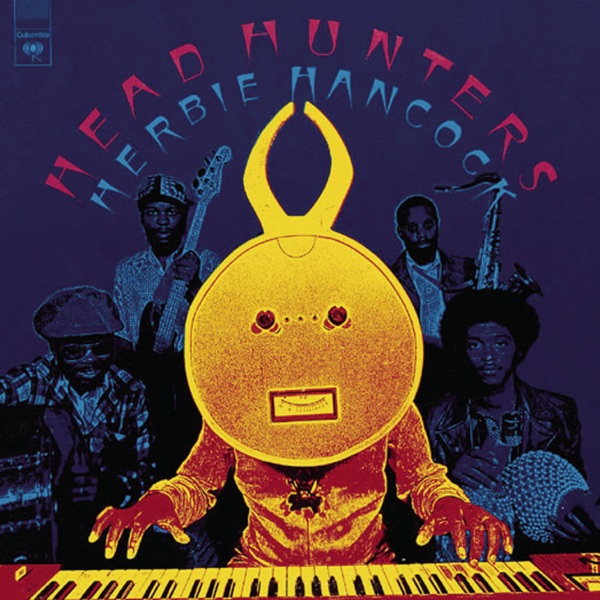 07
Head Hunters
Funk grooves, synthesizers and electric bass. If you know jazz through hip-hop samples, this is your door; 'Chameleon' opens it.
Jazz fusion 08
A Love Supreme
A four-part suite Coltrane wrote as a prayer: intense and searching. Once this one makes sense to you, most of jazz is open.
Modal jazz
Previews courtesy of Apple Music.
Which one did you like best? Its tag below the cover is the branch to dig into next.
How jazz grew
5 periods, each with the branches that appeared in it. Branches with a dot have their own page.
- 1910s–1930s
New Orleans and the swing era
Jazz left New Orleans with the Great Migration and settled in Chicago and New York. Small 'hot' bands gave way to big bands, and by the mid-1930s swing was America's dance music, led by Duke Ellington, Count Basie and Benny Goodman.
On the route: record 4
- 1940s
Bebop: music for listening
In New York's after-hours clubs, Charlie Parker, Dizzy Gillespie and Thelonious Monk sped up the tempos and stretched the harmony. Jazz left the dance floor and became music you sit down to hear.
On the route: record 6
- 1950s
Cool, hard and modal
The music split several ways. Cool jazz softened the tone; hard bop brought back blues and gospel feeling; and with Kind of Blue in 1959, Miles Davis built tunes on scales instead of fast chord changes. In Rio, bossa nova was taking shape.
On the route: record 1, record 2, record 3, record 5, record 8
- 1960s–1970s
Free and electric
Ornette Coleman and John Coltrane pushed past fixed chords and steady time. A few years later Miles Davis plugged in, and fusion mixed jazz with rock and funk.
On the route: record 7
- 1980s onward
Looking back, mixing in
Neo-bop players went back to acoustic, swinging jazz; smooth jazz found the radio; and DJs and producers folded jazz into acid jazz and hip-hop.
The full lineage tree
Bright border: has its own pageDashed: sources that flowed inSolid line: documented stylistic originFaint dashes: grouped under jazzHover a genre to see where it came from and went
Pick a branch of jazz
The 8 branches people play most. Each has its own 8 albums and lineage.
 1930sSwing musicBig bands, a strong dance beat, riffs passed between the horns.8 albums · open →
 1940sBebopFast tempos, twisting melodies, solos packed with notes.8 albums · open →
 1940sCool jazzA softer tone, relaxed tempos, careful arrangements.8 albums · open →
 1950sHard bopBebop with more blues and gospel in it: punchy and soulful.8 albums · open →
 1950sModal jazzLong, open grooves built on scales; spacious and hypnotic.8 albums · open →
 1960sFree jazzNo fixed chords or steady beat: raw, collective improvisation.8 albums · open →
 1960sJazz fusionElectric keyboards and bass, rock and funk rhythms.8 albums · open →
 1950sBossa novaA quiet Brazilian samba beat, soft vocals, gentle guitar.8 albums · open →
Go deeper
What we have written about jazz, newest first.
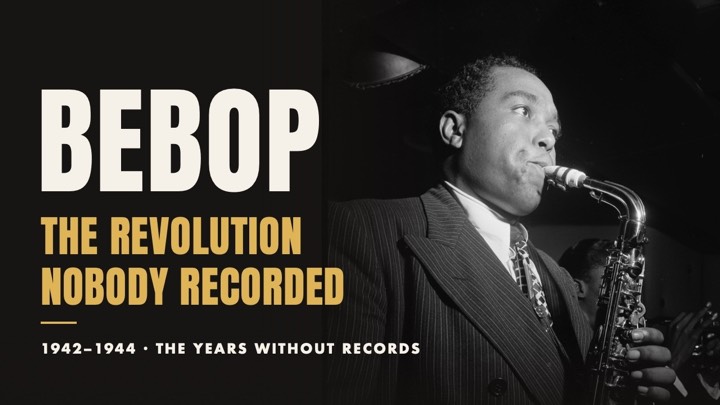 ▶ Includes videoHow Bebop Was Born When No One Was RecordingIn 1942 American musicians stopped recording, and modern jazz took shape in the silence. What the war, a tax and the three-minute record did to bebop, with the full documentary, tracks to hear and nine records to explore.
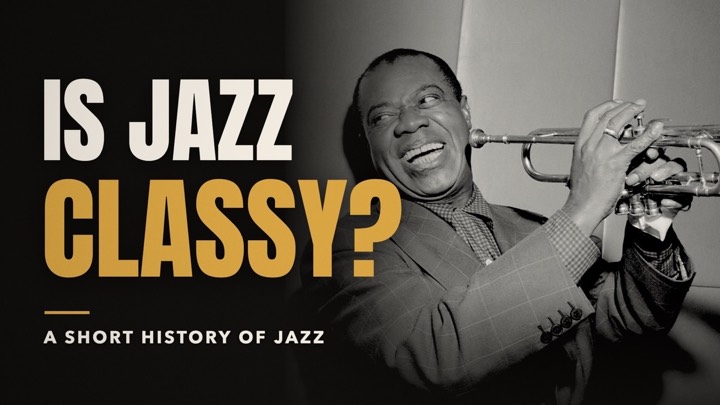 ▶ Includes videoWhere Does the Sense of Class in Jazz Come From?A hundred years ago, jazz was considered sinful; today, it has become synonymous with class. This article draws on sociology and jazz history research to examine who attached this label and to explain why the joy of listening matters more than labels.
 Nujabes: The Hidden Samurai Champloo! A Glimpse of Jazz Rap!In 1995, 21-year-old Jun Seba opened a record store in Udagawacho, Shibuya. By day he flipped through records; by night he made beats. He rarely appeared in public throughout his life, yet he looped two bars from old records into lo-fi beats that spread across the world. From his store and his collaborators to Samurai Champloo, plus nine recommended albums for further listening.
See jazz on the genre map
Its place among more than 1,200 genres, next to its neighbors.
Open the genre map →
Keep digging jazz in Cratto
Scan your records, light up your own genre globe, and see how much of your shelf is jazz.
Get Cratto →All 42 subgenres of jazzby decade
1950s
1960s
1990s
2000s
Undated
Genres jazz directly influenced59
Genre names and classification follow Wikipedia (Jazz, List of music genres and styles), CC BY-SA 4.0; lineage lines follow the stylistic origins each genre's entry records. Album artwork and previews come from Apple Music.