
Genre · Jazz · United States, late 1950s
Free jazz
Where to start with free jazz
Free jazz, which arrived in the late 1950s, dropped rules most jazz still kept: fixed chord changes, steady time, a set order of solos. The players listen and react to each other, sometimes all at once.
It can be loud and raw, and also tender. Start with Ornette Coleman, whose melodies stay singable, then work toward the dense group records of Coltrane, Albert Ayler and Cecil Taylor.

Free jazz that still sings: no piano, open harmony and melodies you'll remember.
Part of Avant-garde jazz →Where to start: 8 free jazz albums, in order
Click a cover to hear 30-second previews. Start at the top; each record takes you a little further.
- 01
The Shape of Jazz to Come
Coleman's quartet has no piano, so nothing pins the chords down. 'Lonely Woman' is the way in.
Avant-garde jazz  02
Out to Lunch!
Dolphy's bass clarinet, flute and alto beside Bobby Hutcherson's vibraphone: angular, but playful.
Avant-garde jazz 03
Free Jazz
Two quartets improvising at once for about 37 minutes: the record that gave the style its name.
 04
Complete Communion
Cherry links themes into two long suites with Gato Barbieri on tenor: free, and full of melody.
 05
Spiritual Unity
Ayler's huge vibrato, folk-like themes and drums that never keep time.
 06
Ascension
Coltrane and ten other players in a forty-minute group improvisation: intense, and the deep end.
 07
Conquistador!
Taylor's percussive piano with a sextet: dense and exhilarating.
Avant-garde jazz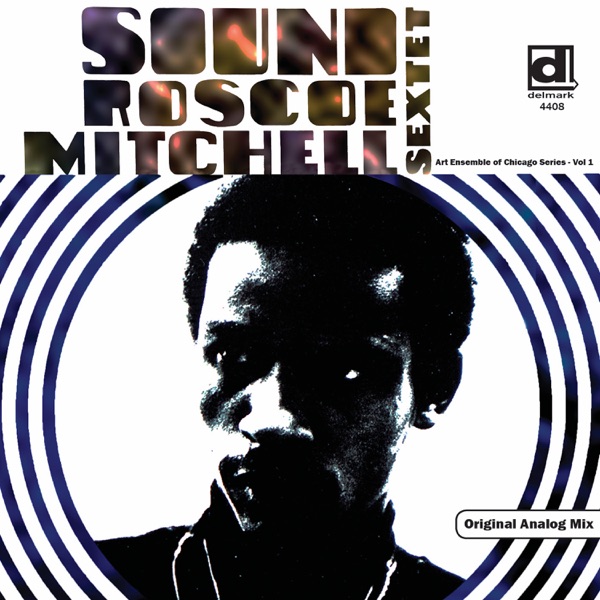 08
Sound
Space and small sounds from Chicago: an early record of the AACM scene.
Avant-garde jazz
Previews courtesy of Apple Music.
Which one did you like best? Its tag below the cover is the branch to dig into next.
Where free jazz came from, and where it went
Free jazz grew from the avant-garde edge of bebop and from 20th-century experimental music. It led on to free improvisation, which left jazz forms behind entirely, and to the free funk of the 1970s.
Other branches of jazz
Each has its own albums and lineage. Or go back to the jazz page for the whole picture.
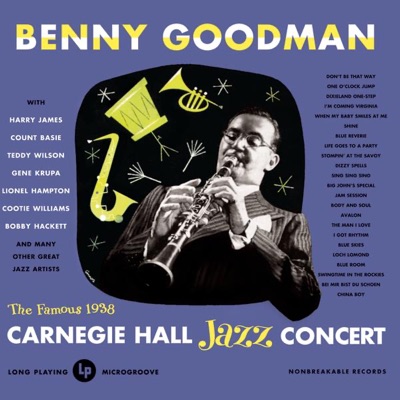 1930sSwing musicBig bands, a strong dance beat, riffs passed between the horns.8 albums · open →
 1940sBebopFast tempos, twisting melodies, solos packed with notes.8 albums · open →
 1940sCool jazzA softer tone, relaxed tempos, careful arrangements.8 albums · open →
 1950sHard bopBebop with more blues and gospel in it: punchy and soulful.8 albums · open →
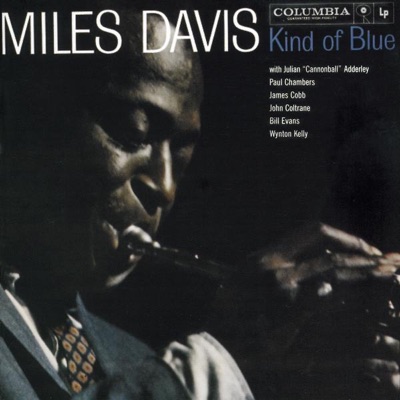 1950sModal jazzLong, open grooves built on scales; spacious and hypnotic.8 albums · open →
 1960sJazz fusionElectric keyboards and bass, rock and funk rhythms.8 albums · open →
See free jazz on the genre map
Its place among more than 1,200 genres, next to its neighbors.
Open the genre map →
Keep digging free jazz in Cratto
Scan your records, light up your own genre globe, and see how much of your shelf is free jazz.
Get Cratto →Genres free jazz directly influenced8
Genre names and classification follow Wikipedia (Free jazz, List of music genres and styles), CC BY-SA 4.0; lineage lines follow the stylistic origins each genre's entry records. Album artwork and previews come from Apple Music.