
Genre · Jazz · United States, late 1940s
Cool jazz
Where to start with cool jazz
Cool jazz came up in the late 1940s as a quieter answer to bebop: a lighter tone, relaxed tempos and more written arrangement. Miles Davis's nonet sessions, later collected as Birth of the Cool, gave it a name.
In the 1950s it found a home on the West Coast with Chet Baker, Gerry Mulligan, Dave Brubeck and Art Pepper. For many listeners it is the easiest jazz to love on first hearing.

Where cool jazz begins: nine players, soft colors and arrangements as important as the solos.
Where to start: 8 cool jazz albums, in order
Click a cover to hear 30-second previews. Start at the top; each record takes you a little further.
- 01
Birth of the Cool
The 1949–50 nonet sessions arranged by Gil Evans and Gerry Mulligan, with French horn and tuba and soft dynamics: the blueprint.
 02
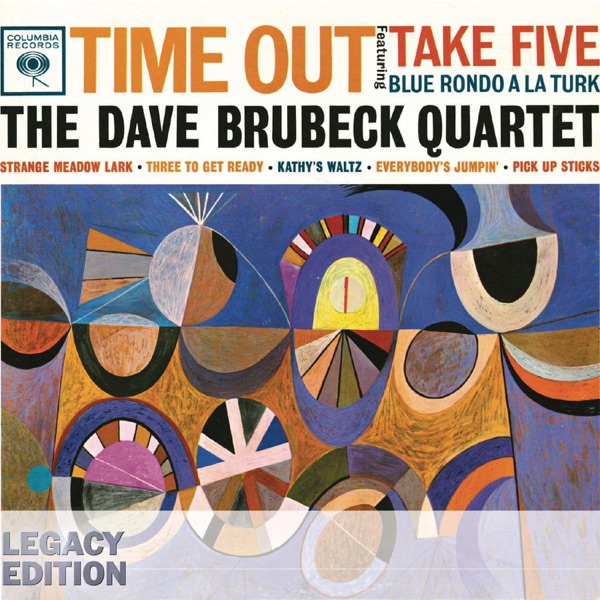
Time Out
Brubeck's quartet in unusual time signatures, with Paul Desmond's airy alto on 'Take Five'.
West Coast jazz 03
Chet Baker Sings
Chet Baker's soft voice and trumpet on ballads like 'My Funny Valentine': cool jazz at its most intimate.
West Coast jazz 04
Miles Ahead
Miles Davis and Gil Evans again, now with a large orchestra: the cool sound on a grand scale.
 05
Art Pepper Meets the Rhythm Section
Art Pepper with Miles Davis's rhythm section of the time, Red Garland, Paul Chambers and Philly Joe Jones. West Coast lightness, East Coast drive.
West Coast jazz 06
What Is There to Say?
Mulligan's baritone sax and Art Farmer's trumpet weave lines around each other, with no piano in the band.
 07
Dave Brubeck Octet
Brubeck's late-1940s octet in San Francisco, working out its own cool sound in the same years as the Birth of the Cool band.
 08
Blossom Dearie
A light, clear voice and a swinging piano: cool jazz on a small scale.
Vocal jazz
Previews courtesy of Apple Music.
Which one did you like best? Its tag below the cover is the branch to dig into next.
Where cool jazz came from, and where it went
Cool jazz grew from bebop and swing, with ideas borrowed from classical writing. It sits close to West Coast jazz, and its soft sound left a mark on bossa nova and, later, on the quieter side of fusion.
Other branches of jazz
Each has its own albums and lineage. Or go back to the jazz page for the whole picture.
 1930sSwing musicBig bands, a strong dance beat, riffs passed between the horns.8 albums · open →
 1940sBebopFast tempos, twisting melodies, solos packed with notes.8 albums · open →
 1950sHard bopBebop with more blues and gospel in it: punchy and soulful.8 albums · open →
 1950sModal jazzLong, open grooves built on scales; spacious and hypnotic.8 albums · open →
 1960sFree jazzNo fixed chords or steady beat: raw, collective improvisation.8 albums · open →
 1960sJazz fusionElectric keyboards and bass, rock and funk rhythms.8 albums · open →
Go deeper
What we have written about cool jazz, newest first.
See cool jazz on the genre map
Its place among more than 1,200 genres, next to its neighbors.
Open the genre map →
Keep digging cool jazz in Cratto
Scan your records, light up your own genre globe, and see how much of your shelf is cool jazz.
Get Cratto →Genres cool jazz directly influenced2
Genre names and classification follow Wikipedia (Cool jazz, List of music genres and styles), CC BY-SA 4.0; lineage lines follow the stylistic origins each genre's entry records. Album artwork and previews come from Apple Music.