
Genre · Jazz · United States, late 1960s
Jazz fusion
Where to start with jazz fusion
Jazz fusion began in the late 1960s, when jazz musicians picked up electric instruments and borrowed rock and funk rhythms. Miles Davis's In a Silent Way and Bitches Brew showed the way, and the players on those records went on to lead fusion's main bands.
Expect electric piano and synthesizers, electric bass, loud guitars and long grooves. It ranges widely: tight funk at one end, sprawling psychedelic jams at the other.
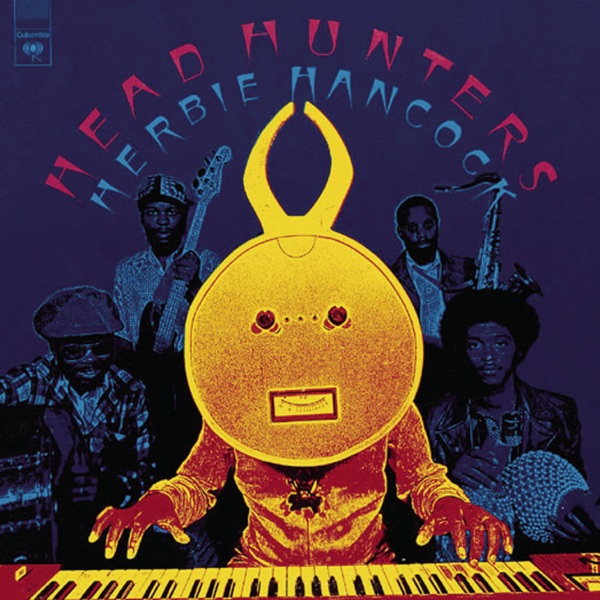
Fusion's most popular door: funk you can dance to, played by a jazz pianist.
Part of Jazz-funk →Where to start: 8 jazz fusion albums, in order
Click a cover to hear 30-second previews. Start at the top; each record takes you a little further.
- 01
Head Hunters
Funk grooves, synthesizers and electric bass; 'Chameleon' is the door, and hip-hop has sampled it for decades.
Jazz-funk  02
Heavy Weather
Weather Report's best-known album: 'Birdland' and Jaco Pastorius's singing fretless bass.
 03
Light as a Feather
Chick Corea's band with Brazilian singer Flora Purim; 'Spain' first appears here.
 04
In a Silent Way
Miles Davis's quiet electric turn, edited from long studio jams into two side-long pieces.
 05
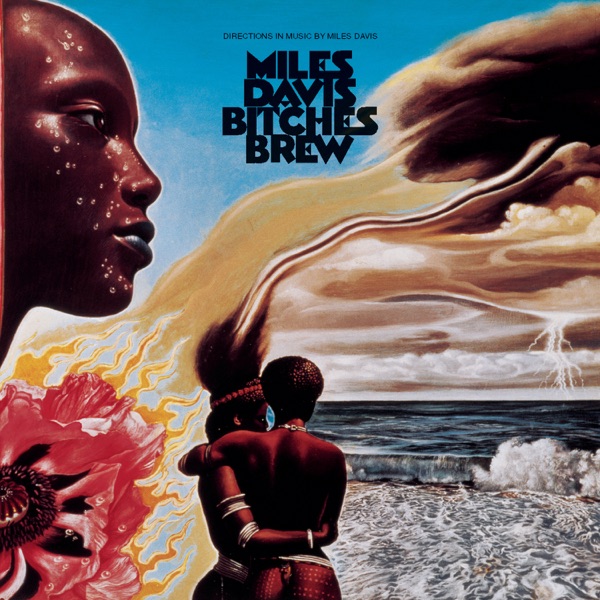
Bitches Brew
The big one: two drummers, several electric pianos, bass clarinet and dark, open grooves.
Avant-garde jazz 06
The Inner Mounting Flame
John McLaughlin's band: fast, loud and close to rock.
 07
Extrapolation
McLaughlin's debut, recorded in London just before he joined Miles Davis.
 08
Electric Bath
A big band in unusual meters with electric sounds, before Bitches Brew.
Previews courtesy of Apple Music.
Which one did you like best? Its tag below the cover is the branch to dig into next.
Where jazz fusion came from, and where it went
Fusion grew out of jazz, rock and funk, with roots in bebop and cool jazz. It gave rise to jazz-funk, smooth jazz and acid jazz, and its grooves became a favorite source for hip-hop samples.
Other branches of jazz
Each has its own albums and lineage. Or go back to the jazz page for the whole picture.
 1930sSwing musicBig bands, a strong dance beat, riffs passed between the horns.8 albums · open →
 1940sBebopFast tempos, twisting melodies, solos packed with notes.8 albums · open →
 1940sCool jazzA softer tone, relaxed tempos, careful arrangements.8 albums · open →
 1950sHard bopBebop with more blues and gospel in it: punchy and soulful.8 albums · open →
 1950sModal jazzLong, open grooves built on scales; spacious and hypnotic.8 albums · open →
 1960sFree jazzNo fixed chords or steady beat: raw, collective improvisation.8 albums · open →
See jazz fusion on the genre map
Its place among more than 1,200 genres, next to its neighbors.
Open the genre map →
Keep digging jazz fusion in Cratto
Scan your records, light up your own genre globe, and see how much of your shelf is jazz fusion.
Get Cratto →Genres jazz fusion directly influenced20
Genre names and classification follow Wikipedia (Jazz fusion, List of music genres and styles), CC BY-SA 4.0; lineage lines follow the stylistic origins each genre's entry records. Album artwork and previews come from Apple Music.