
Genre · Jazz · New York, early 1940s
Bebop
Where to start with bebop
Bebop took shape in New York in the early 1940s, in late-night jam sessions after the big bands had finished work. Charlie Parker, Dizzy Gillespie, Thelonious Monk and Bud Powell played small-group jazz at high speed, with harder harmonies and long improvised lines.
It was music for listening rather than dancing, and it became the language almost every later jazz musician learned first. Much of its birth went unrecorded: a musicians' union ban stopped most recording between 1942 and 1944.

Five founders of modern jazz in one room, live: the quickest way to hear what bebop is.
Where to start: 8 bebop albums, in order
Click a cover to hear 30-second previews. Start at the top; each record takes you a little further.
- 01
Jazz at Massey Hall
Bebop's five biggest names on one stage in 1953 (Parker is credited as 'Charlie Chan' for contract reasons). A live summary of the style.
 02
Groovin' High
Gillespie's 1945–46 sessions, several with Charlie Parker: the records where bebop first appeared on disc.
 03
Bird and Diz
Parker and Gillespie in the studio together in 1950, with Thelonious Monk on piano and Buddy Rich on drums.
 04
The Complete Savoy & Dial Master Takes
Parker's own small-group sides: 'Ko-Ko', 'Now's the Time', 'Ornithology'. Long, but this is where bebop's tunes come from.
 05
Genius of Modern Music, Vol. 1
Monk's first Blue Note sessions, 1947–48: odd angles, open space and humor, with ''Round Midnight' and 'Ruby, My Dear'.
 06
The Amazing Bud Powell, Vol. 1
The piano voice of bebop, with right-hand lines as fast as Parker's alto. 'Un Poco Loco' shows how far it could go.
 07
Sarah Vaughan
Vaughan grew up singing with bebop's own players; on this session with trumpeter Clifford Brown her voice phrases like a horn.
Vocal jazz 08
Frank Morgan
A young alto player who took Parker's sound to Los Angeles, on his debut album.
West Coast jazz
Previews courtesy of Apple Music.
Which one did you like best? Its tag below the cover is the branch to dig into next.
Where bebop came from, and where it went
Bebop grew out of swing and Kansas City jazz, where riff-based blues and long solos were already common. Nearly everything after it started as an answer to bebop: cool jazz relaxed it, hard bop added blues and gospel, and the avant-garde pulled it apart.
Other branches of jazz
Each has its own albums and lineage. Or go back to the jazz page for the whole picture.
 1930sSwing musicBig bands, a strong dance beat, riffs passed between the horns.8 albums · open →
 1940sCool jazzA softer tone, relaxed tempos, careful arrangements.8 albums · open →
 1950sHard bopBebop with more blues and gospel in it: punchy and soulful.8 albums · open →
 1950sModal jazzLong, open grooves built on scales; spacious and hypnotic.8 albums · open →
 1960sFree jazzNo fixed chords or steady beat: raw, collective improvisation.8 albums · open →
 1960sJazz fusionElectric keyboards and bass, rock and funk rhythms.8 albums · open →
Go deeper
What we have written about bebop, newest first.
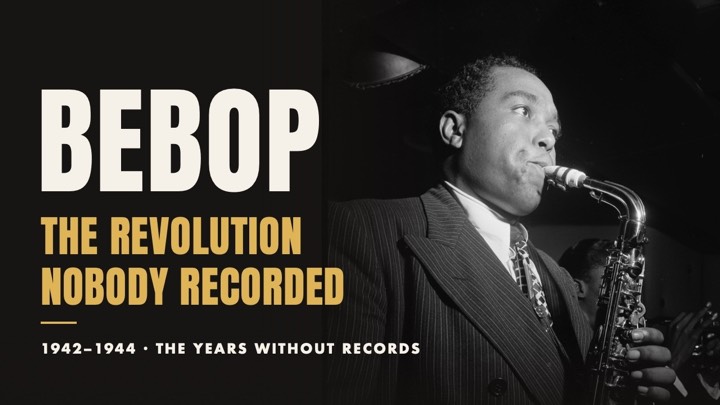 ▶ Includes videoHow Bebop Was Born When No One Was RecordingIn 1942 American musicians stopped recording, and modern jazz took shape in the silence. What the war, a tax and the three-minute record did to bebop, with the full documentary, tracks to hear and nine records to explore.
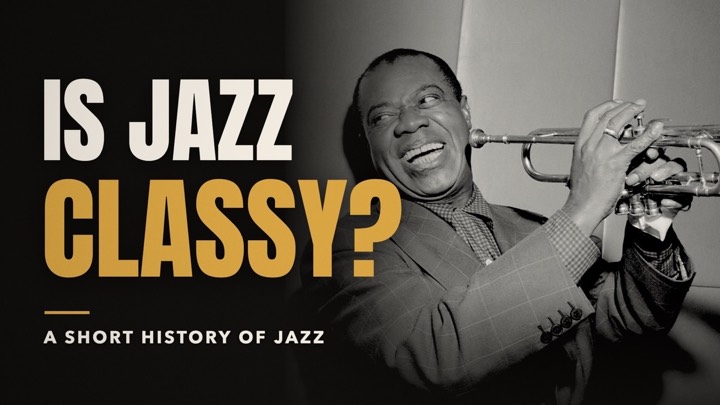 ▶ Includes videoWhere Does the Sense of Class in Jazz Come From?A hundred years ago, jazz was considered sinful; today, it has become synonymous with class. This article draws on sociology and jazz history research to examine who attached this label and to explain why the joy of listening matters more than labels.
See bebop on the genre map
Its place among more than 1,200 genres, next to its neighbors.
Open the genre map →
Keep digging bebop in Cratto
Scan your records, light up your own genre globe, and see how much of your shelf is bebop.
Get Cratto →Genres bebop directly influenced7
Genre names and classification follow Wikipedia (Bebop, List of music genres and styles), CC BY-SA 4.0; lineage lines follow the stylistic origins each genre's entry records. Album artwork and previews come from Apple Music.