
Bebop is where modern jazz begins, and the years in which it took shape left almost no recordings. Between August 1942 and November 1944, American musicians refused to record for the labels, and the new music grew up in exactly that gap. This article follows how it formed in an age without records: what the war, a union, an entertainment tax and a three-minute disc each did to it, and how later listeners pieced it back together.
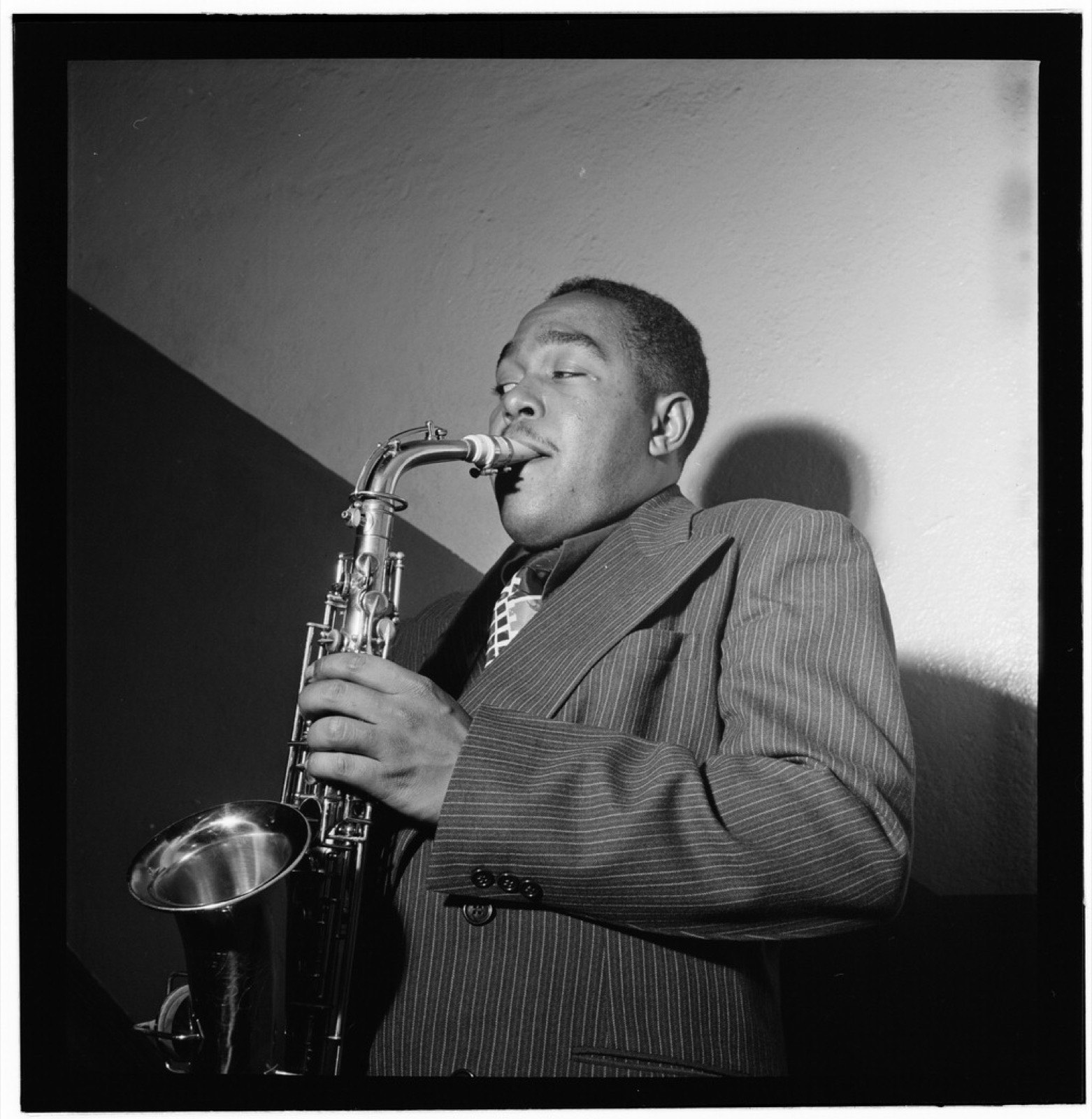
Image: Portrait of Charlie Parker, Carnegie Hall, New York, N.Y., ca. 1947 (The Library of Congress 1947, Public domain) · Source

Two years with the studios shut
At midnight on August 1, 1942, every recording studio in America fell silent. The American Federation of Musicians, the union of the country's professional players, could not come to terms with the labels over royalties on recordings, so it called on its members to stop, all at once. Live radio and live shows went on as usual, while the making of commercial records came to a complete halt.
The strike lasted more than two years. Decca signed first, in September 1943. The two biggest labels, Columbia and Victor, held out until November 1944.
Jazz made the biggest turn in its history during those years. A group of musicians in their twenties, in late-night New York clubs and on touring buses, worked out a new way of playing. The studios were shut, and almost none of it was captured.
In February 1944, the small label Apollo, newly signed with the union, cut the first record of the new music. The session was led by the saxophonist Coleman Hawkins, with Dizzy Gillespie in the band, and the tune was "Woody'n You." By then the music had already taken shape.
A cog in the band
In the second half of the 1930s, swing was everywhere. Big bands of a dozen or more played the ballrooms, often to hundreds, even thousands, of dancers. Radio, records, ballrooms and touring added up to a profitable business.
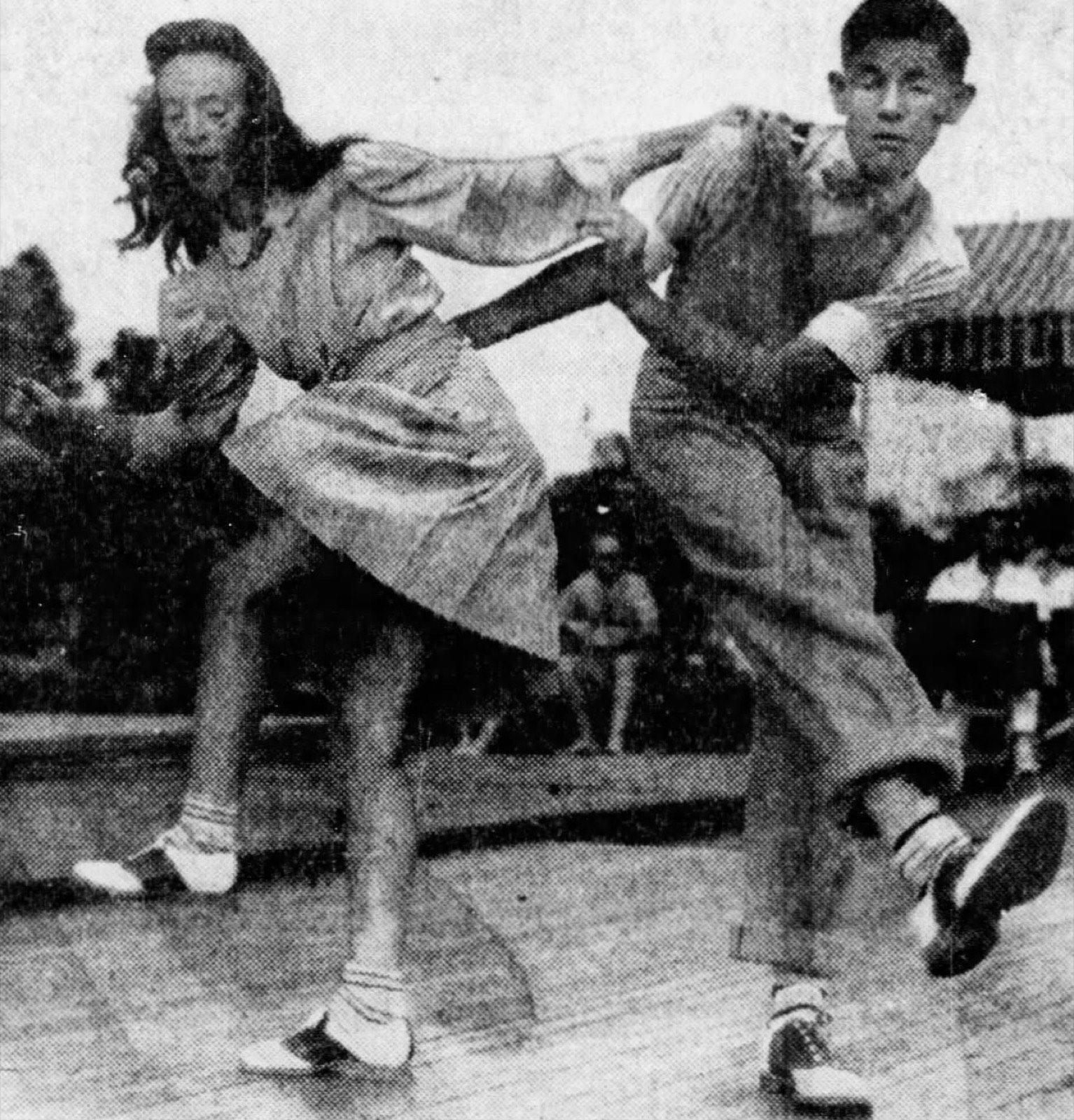
Image: Young couple jitterbugging circa 1945 (1945-12-30, Public domain) · Source

For the crowd it was the happiest music there was. For many young musicians on the bandstand, the job felt more like an assembly line. Each man read his own part, and a solo usually lasted eight bars, or sixteen. In a big band, a musician was one cog in the machine.
Jazz had always lived on improvisation: no sheet music, just a tune's chords and a melody invented on the spot. After the big bands finished for the night, many players gathered in small bars and took turns. A single tune could go on for a long time, and anyone listening could tell who was playing well and who could not keep up. In 1930s Kansas City, where the clubs stayed open all night, these cutting contests were famous.
The saxophonist Charlie Parker grew up right there. As a teenager he haunted the city's clubs, listening to musicians improvise through the night. He tried it on stage himself, and it went badly. The story goes that one night he lost his way through the chords, and Jo Jones, the drummer in Count Basie's band, threw a cymbal at his feet.
In the winter of 1939, in the back room of a chili joint in New York, Parker was working on "Cherokee" with a guitarist. As he told it later, that was the night he found what he had been looking for: improvising on the higher notes of each chord. A melody built that way runs along the edges of the harmony. It sounds tense, and it still holds together.
Around the same time in New York, the trumpeter Dizzy Gillespie, the pianist Thelonious Monk and the drummer Kenny Clarke were trying something similar. They had the new ideas. What they lacked was a place where those ideas could take shape, and a war was about to clear one.
The war shrank the stage
At the end of 1941, America entered the war, and the big bands were the first to feel it. Young musicians were drafted one after another. Gasoline and tires were rationed, and touring the country by bus with a dozen people grew more expensive, and harder, every month.
The raw material for records ran short as well. Records were pressed from shellac, which came from India and Southeast Asia. Japan had occupied the Southeast Asian sources, and the military needed shellac for explosives and flares. The War Production Board ordered the output of new records cut by seventy percent.
Then there was a tax. During the war, the federal government taxed any venue with song-and-dance entertainment where customers could dance, as a share of the bill. In 1944 the rate reached thirty percent. Many clubs took out their dance floors, put in tables and chairs, and had the customers sit and listen. The drummer Max Roach later recalled that big bands existed for dancing: once people danced, the bill carried an extra twenty percent in tax, so owners simply stopped hiring big bands. Some historians think the tax's effect has been overstated.
The venues shrank along with everything else. On one short block of 52nd Street in Manhattan there were more than a dozen basement clubs, among them the Onyx, the Three Deuces, the Spotlite and the Famous Door, each with room for a band of four or five.
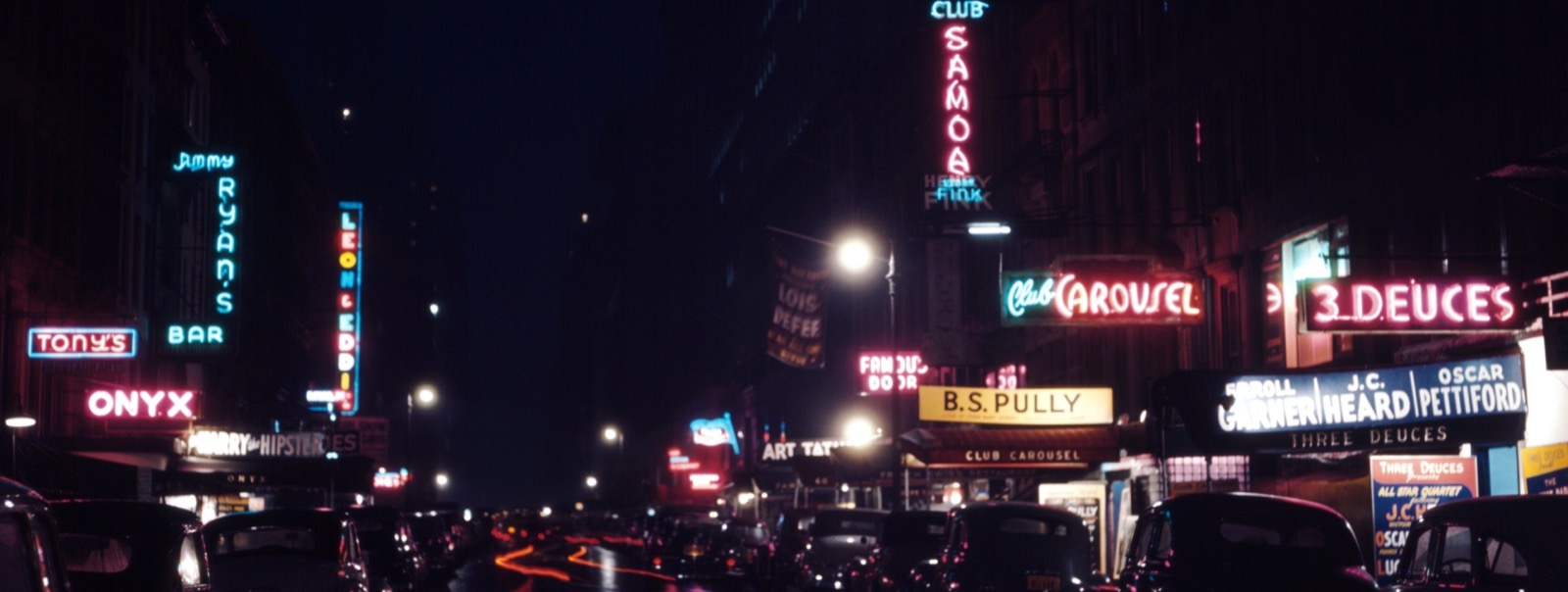
Image: 52nd Street, New York, by Gottlieb, 1948 (William P. Gottlieb 1948-05, Public domain) · Source

For an owner, five players cost far less than sixteen. For the players, a five-piece band meant everyone got to solo, for as long as they liked. And with no dance floor, nobody had to keep the tempo where the dancers wanted it.
Most of what would define bebop can be traced to these rooms: small groups, fast tempos, long solos, and an audience that sat and listened. It came from a handful of brilliant musicians, and it came from a stage the war had made smaller.
Three years without records
Heard melodies are sweet, but those unheard / Are sweeter.
— John Keats, "Ode on a Grecian Urn"
The union's president, James Petrillo, gave his reason for the strike: records, radio and jukeboxes meant owners no longer needed to hire musicians to play live, and the record companies should pay for that.
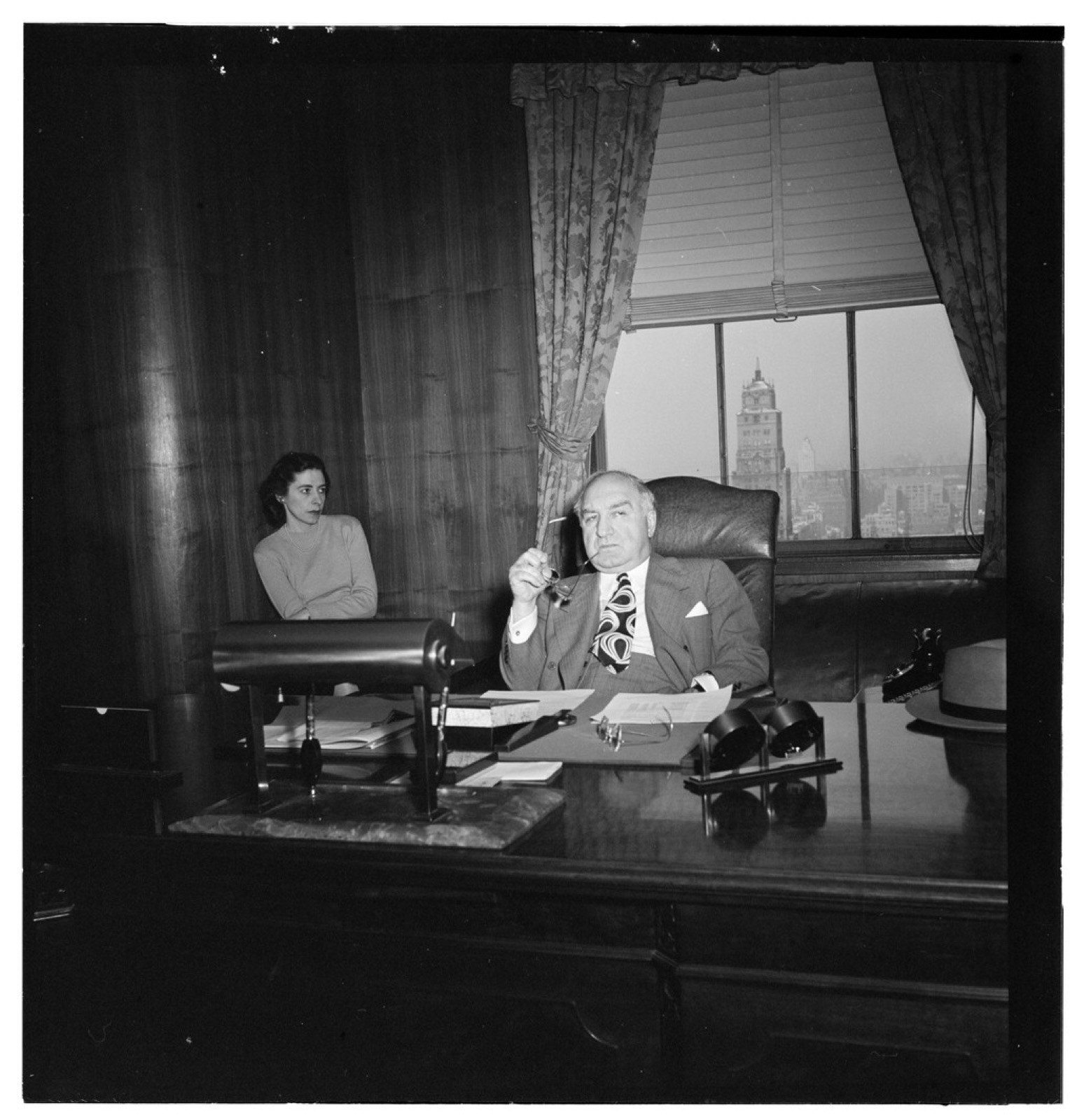
Image: Portrait of James Petrillo in his office, New York, N.Y., ca. Feb. 1947 (The Library of Congress 1947, Public domain) · Source

The strike had a loophole. It covered musicians, and it did not cover singers. So the labels recorded singers backed by vocal choirs, and kept putting out records. Over those years singers grew more famous and bandleaders lost ground, one of the reasons the big bands later declined.
Bebop grew up precisely where nothing was being recorded. At Minton's in Harlem, young players gathered after closing time and jammed until dawn (this article tells that story). Those nights left almost no sound behind. One of the few exceptions came from a college student named Jerry Newman, who carried a portable recorder into the club in 1941 and cut a few of those nights onto disc.
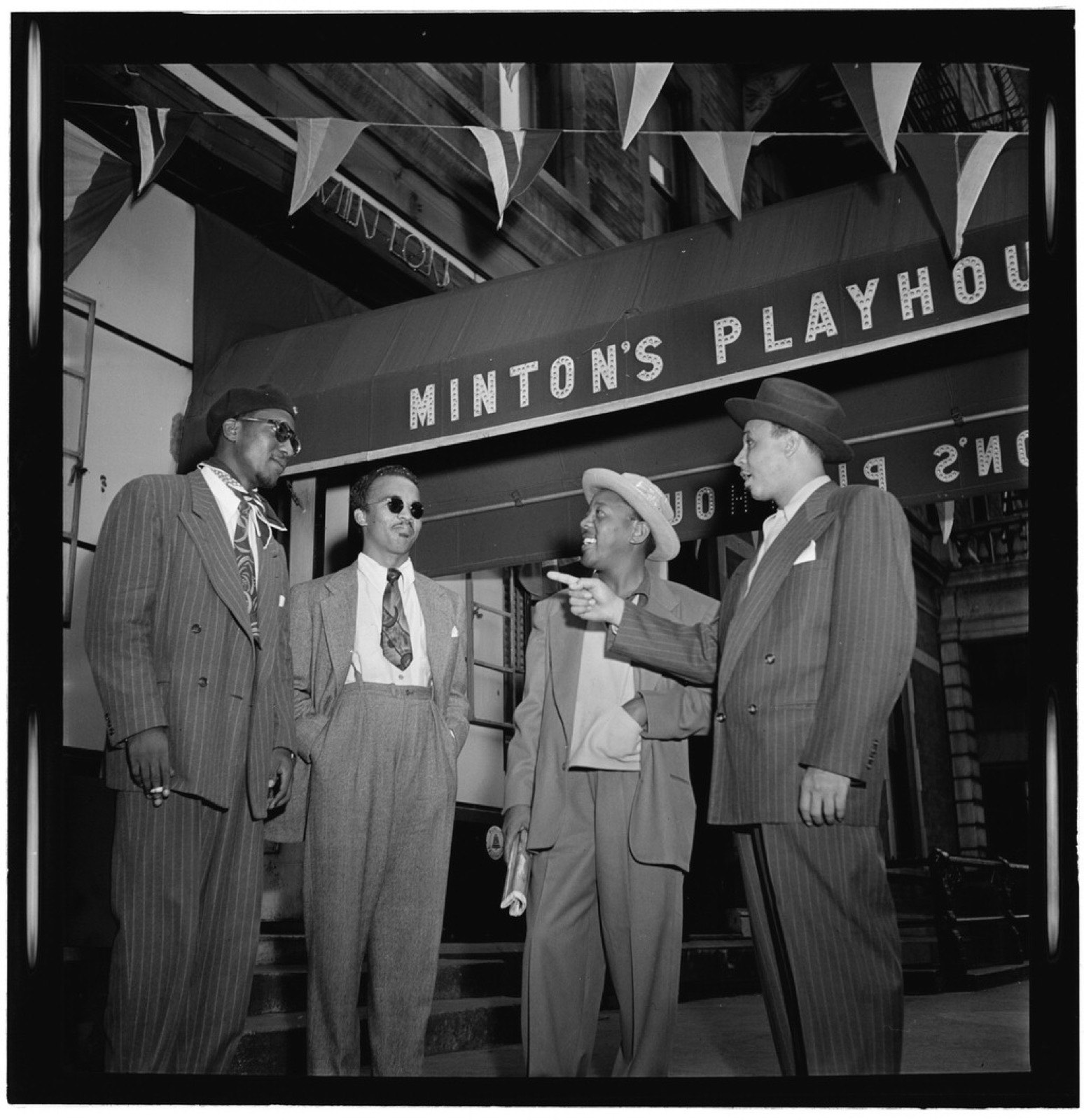
Image: Thelonious Monk, Howard McGhee, Roy Eldridge, and Teddy Hill, Minton's Playhouse, New York, N.Y., ca. Sept. 1947 (William P. Gottlieb 1947-09, Public domain) · Source

In 1943, the pianist Earl Hines had Dizzy Gillespie, Charlie Parker and a young singer named Sarah Vaughan in his big band at the same time. Many later called that band the incubator of bebop. Because of the strike, it never made a single commercial record.
So bebop first spread by ear. Musicians listened in the clubs, taught each other backstage, and picked up each other's phrases on the road. By the time the wider world first heard it on record, it was already mature. That is why, to so many listeners, bebop seemed to appear overnight.
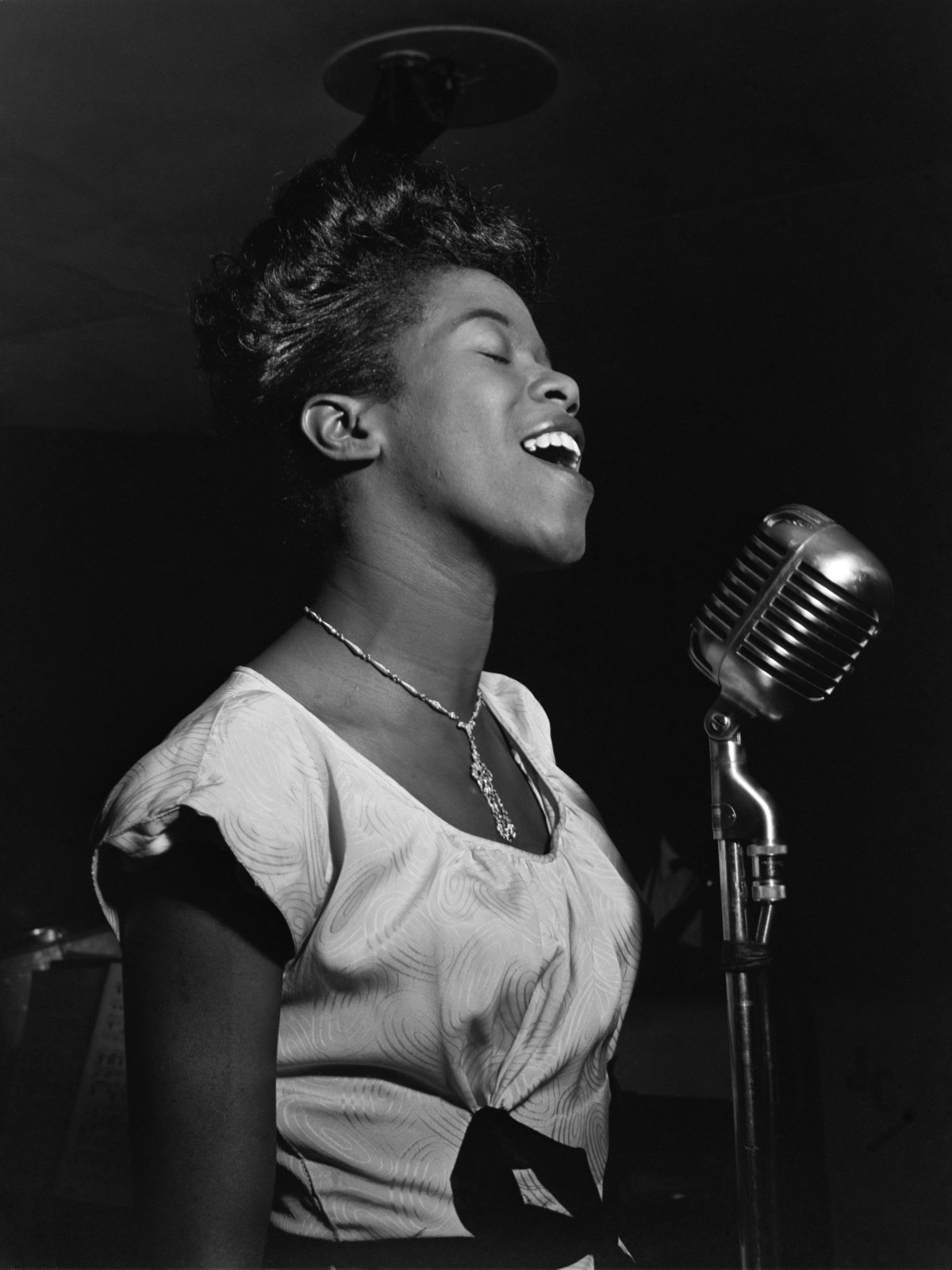
Image: Sarah Vaughan (William P. Gottlieb / Adam Cuerden circa August 1946, Public domain) · Source

Three minutes, and someone else's chords
In 1945, Gillespie and Parker walked into a recording studio together. Their sessions that year gave many people their first taste of the new sound: "Groovin' High" on February 28, then "Shaw 'Nuff," "Salt Peanuts" and "Hot House" on May 11.
The studio came with a limit. A 78 rpm record of the day held about three minutes a side. In a club, a single improvisation could run twenty minutes. In the studio, the theme, a few solos and the closing theme all had to fit inside three.
On November 26 that year, Parker led a session under his own name for the first time, for Savoy. One of the tunes, "Ko-Ko," was blisteringly fast. Its chords came from the popular song "Cherokee," the very tune he had worked on, over and over, in the back of that chili joint six years before.
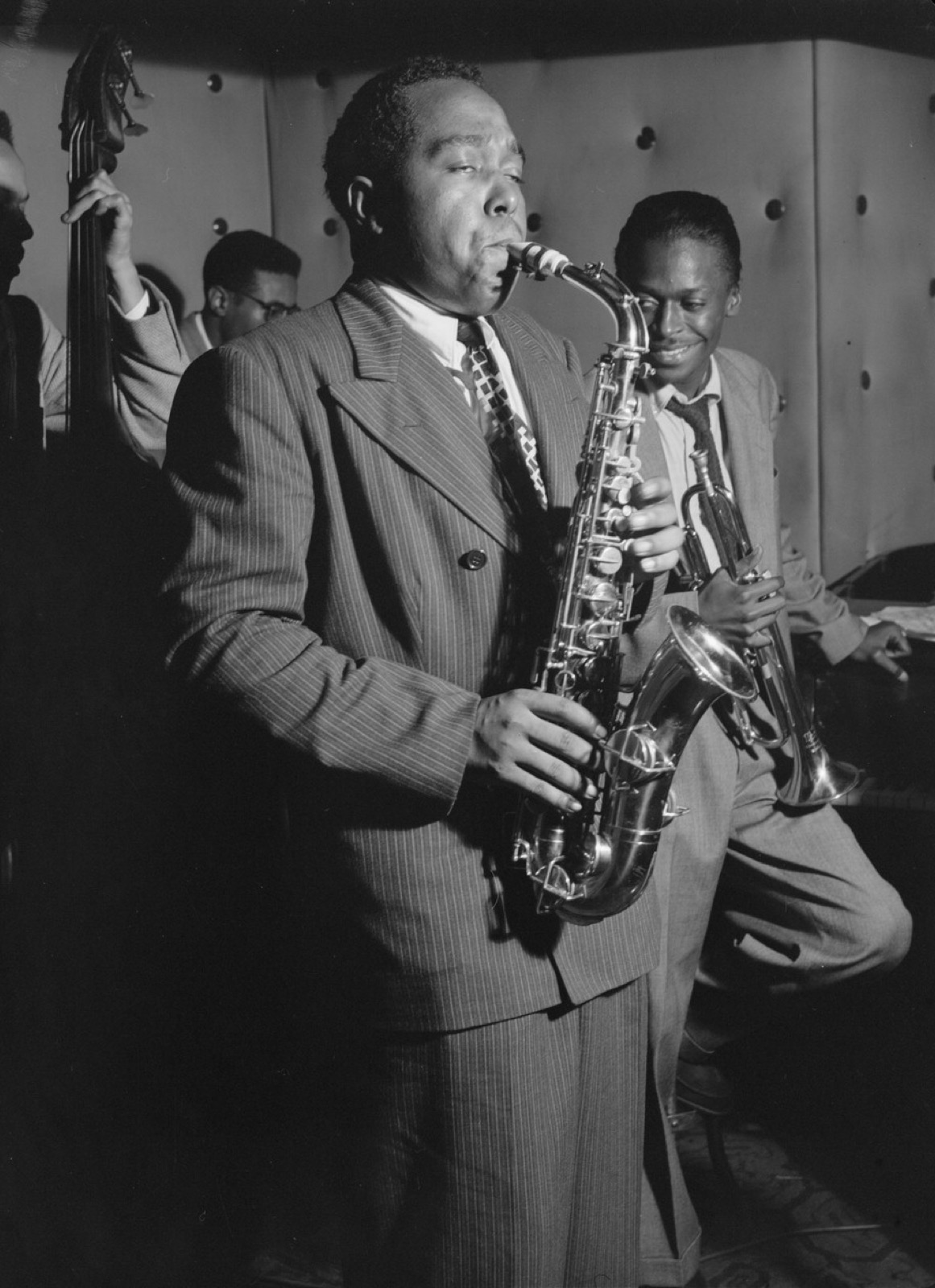
Image: Charlie Parker, Tommy Potter, Miles Davis, Max Roach (William P. Gottlieb circa August 1947, Public domain) · Source

It was common practice in bebop: borrow the chords of a well-known popular song, and write a new melody over them.
| Chords from | New bebop tune |
|---|---|
| Cherokee | Ko-Ko |
| How High the Moon | Ornithology |
| Indiana | Donna Lee |
| Whispering | Groovin' High |
| What Is This Thing Called Love | Hot House |
There were musical reasons for it. The players knew those chords inside out, and they were the easiest to improvise on. There were economic reasons too. In America, copyright protected a melody, and a common chord progression generally was not protected. Record an old song, and you owed royalties to its publisher. Put a new melody on top, and you had a new tune, with nothing owed for the original.
The labels willing to record this music were mostly small ones like Savoy. Savoy's owner did not want to pay for other people's songs. The musicians were paid once for the session, the rights to the tunes went to the label, and no royalties followed.
So much of the most radical-sounding bebop was built on pop songs everybody could hum.
A name someone else gave it
The usual account of the word "bebop" is that it imitates the sound musicians made when they sang a phrase, the clipped ending of a short line. In early 1945, Gillespie recorded a tune called, simply, "Bebop."
By the late 1940s the word had caught on. Popular magazines started covering bebop, and wrote mostly about Gillespie's beret, goatee and horn-rimmed glasses, with little to say about the music. Fans were soon copying the look. Some drew on goatees and wore berets to his shows. Bebop had become a fashion.
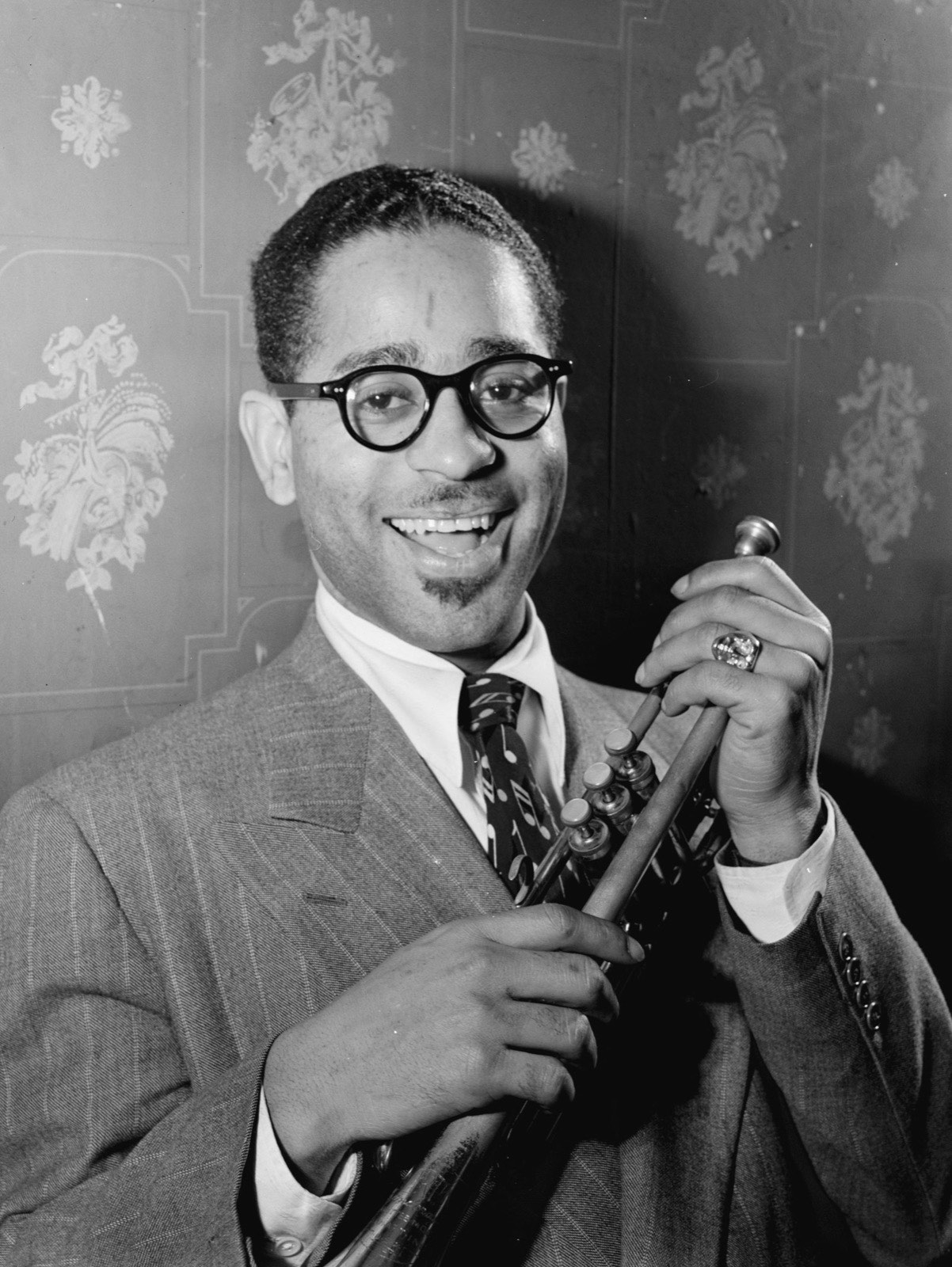
Image: Portrait of Dizzy Gillespie, Famous Door, New York, N.Y., ca. June 1946 (William P. Gottlieb circa June 1946, Public domain) · Source

Inside the jazz world, the argument was fierce. The modernists mocked fans of old New Orleans jazz as "moldy figs." The traditionalists said bebop was not jazz at all, just a jumble of notes.
The musicians themselves did not like the name. "Bop is no love-child of jazz," Parker said in a 1949 interview. Plenty of players would only say that what they played was music.
As with City Pop, the name came from someone else, half from the musicians' humming and half from magazine hype. By the time the public had learned it, the music's sharpest years were nearly over.
The man who only recorded the solos
Charlie Parker's body was worn down early by drugs and alcohol. On July 29, 1946, at a session for Dial in Los Angeles, he could barely stand. "Lover Man" comes from that day. That night there was more trouble, and he was committed to Camarillo State Hospital, where he stayed for about six months.
Through those years, one man followed him. Dean Benedetti was a saxophonist and a devoted Parker fan. In 1947 and 1948, he carried recording gear into clubs in Los Angeles and New York and taped Parker live. He cared only about Parker's solos, and often recorded nothing else. When Parker started to play, he pressed record. When someone else took over, he stopped.
So the recordings are almost all fragments: solos of a few dozen seconds, with no beginning and no end. For years they existed only as legend. Not until 1990 were they gathered and released as a complete set.
The LP, which held more than twenty minutes a side, did not arrive until 1948. Parker's best years fell squarely between the strike and the three-minute record. At the end of 1949, a club opened in New York named after his nickname: Birdland.
Charlie Parker died on March 12, 1955. He was thirty-four. The doctor who examined him, it is said, took him for a man in his fifties.
Pieced back together
When Parker died, most of his best music was still scattered across small-label records, private tapes and other people's memories. The bebop we hear today was assembled afterward: three-minute records on small labels, a few nights cut to disc by a college student in a club, and live solos taped by a fan who recorded nothing else.
In time, the language once passed on by ear in the clubs became the foundation of jazz education. Students learning to improvise are often set to copy out Parker's solos, phrase by phrase. The Charlie Parker Omnibook, which collects sixty of his solos, is called one of the "bibles" of jazz education.
Looking back, three things shaped bebop.
Records. In its most important years, the labels stopped recording. When they started again, each side held only three minutes.
The name. Half humming, half headlines, and the musicians never accepted it.
Small rooms. No dance floor, no recorder. Five people in a basement before dawn, pushing their ideas as far as they would go.
What gets recorded is only ever a small part. Those young musicians went to the clubs every night with nobody taping them. They just wanted to find out how far they could go. What decides a thing is often whether you still do the work properly when nobody is watching.
Records to hear: finding bebop one disc at a time
The list opens with recordings made just after the strike, then moves on to later records by the central players. Everyone here appears in the story above.
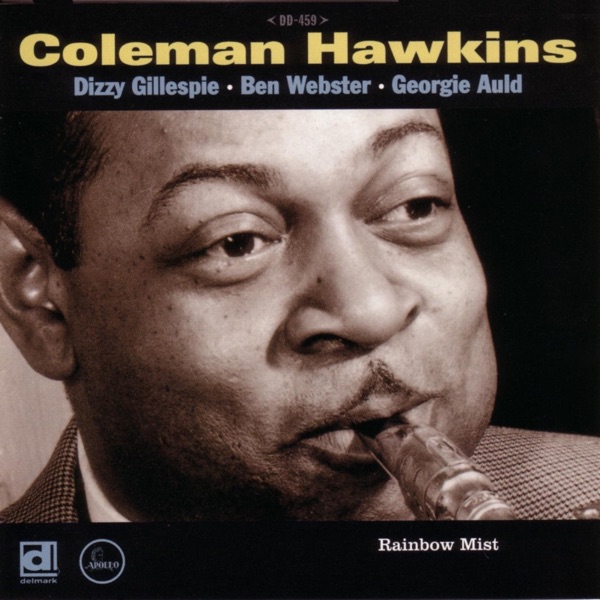
Holds "Woody'n You," cut for Apollo in 1944, the first record of the new music. Start there, with Hawkins and a young Gillespie in the same band.
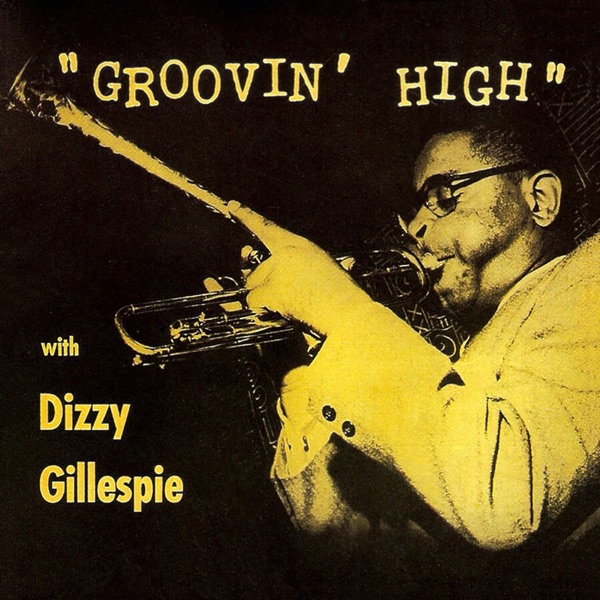
Collects the 1945 sessions. Start with "Groovin' High," "Salt Peanuts" and "Hot House," the sound the wider world first heard as bebop.
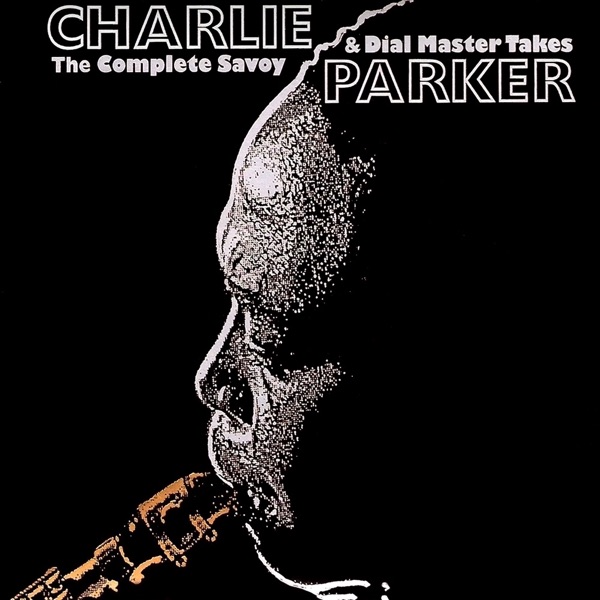
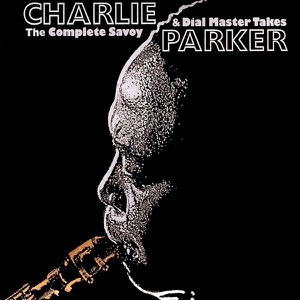
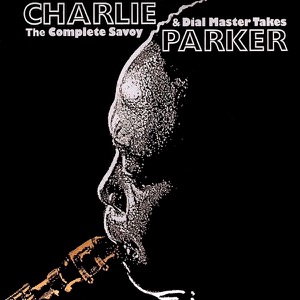
Parker's master takes for the two small labels, sixty-five tracks. "Ko-Ko," "Ornithology," "Donna Lee" and "Lover Man" are all here: the best of what the three-minute record kept.
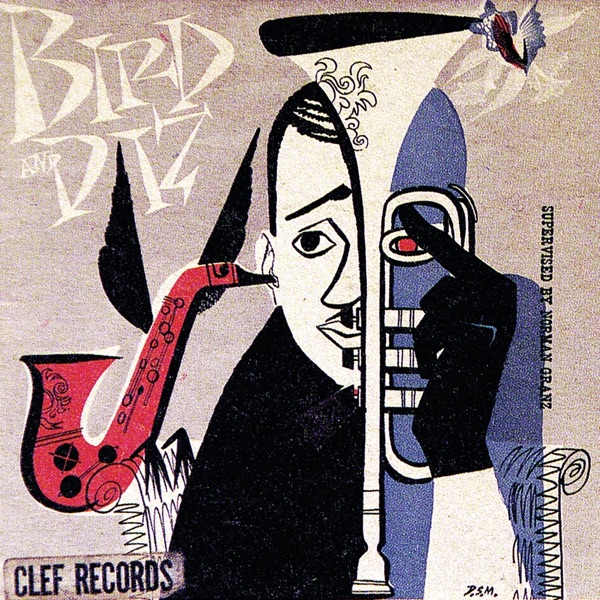
As the title says, Parker and Gillespie side by side on one record. Start with "Bloomdido."
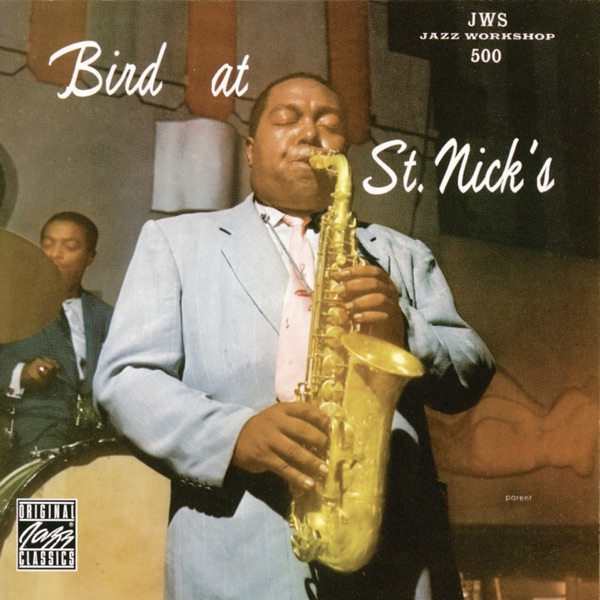
A live recording, free of the three-minute limit. "Ornithology" and "Hot House" are here too, so you can set them beside the studio versions.
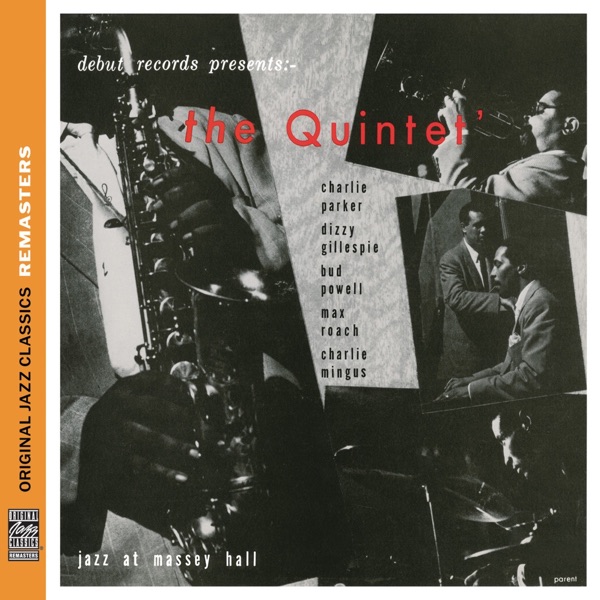
Parker, Gillespie and Max Roach on one stage. Start with "Salt Peanuts" and "Hot House," then go back to the three-minute versions from 1945.
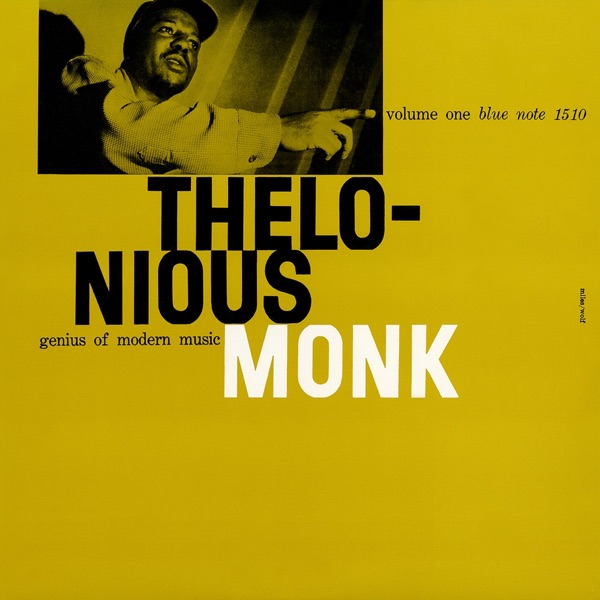
Monk was one of the New York players trying out the new ideas. Start with "'Round Midnight" and "Well You Needn't."
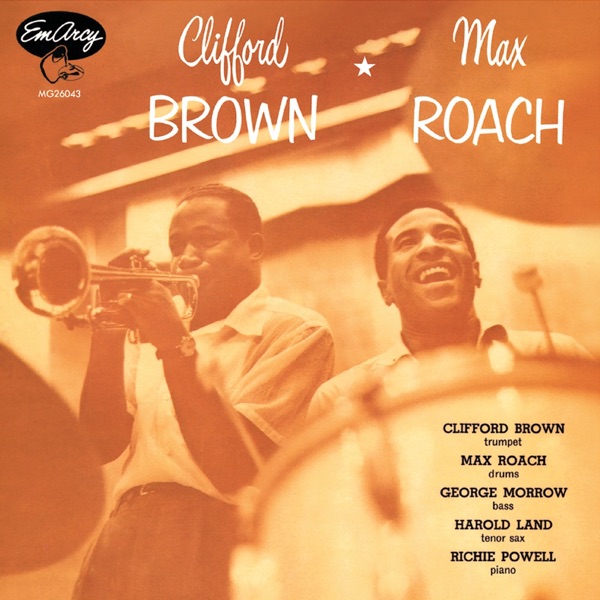
Max Roach, the drummer who recalled that tax, leading a small group in the 1950s. Start with "Joy Spring" and "Daahoud."
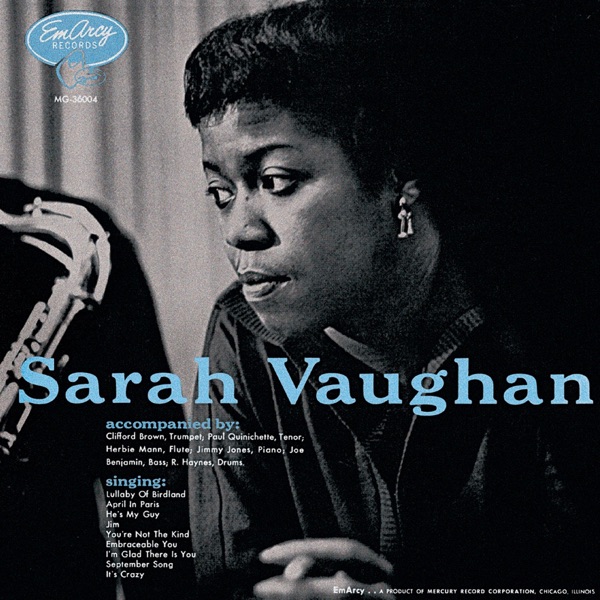
The young singer from the Earl Hines band, some years on. Start with "Lullaby of Birdland," named for the club that took Parker's nickname.
Cover art belongs to its respective rights holders and is shown here for introduction and commentary only. Click a cover to hear samples.
The bebop canon was dug out of the crates one record at a time, by people who came later. On our genre map you can see what fed into it and what grew out of it. To keep digging, Cratto's Taste Map lets you follow a genre to a record's roots and the ones it inspired, and keeps vinyl, CDs and digital albums in one library.
Sources
- 1942–1944 musicians' strike
- The Recording Ban of 1942 · University of Maryland Libraries
- The silence was deafening · AFM Local 802
- Bird: Not Out of Nowhere · PBS
- Charlie Parker · American Jazz Museum
- World War II and the Shrinking of the Ensemble · TeachRock
- Detonations: Shellac at War · Cambridge University Press
- Kansas City Jazz · Kansas Historical Society
- Kansas City Jazz · Encyclopedia of the Great Plains
- How Taxes And Moving Changed The Sound Of Jazz · NPR / WNYC
- Swing Street: The Golden Age of New York Jazz Clubs · The Syncopated Times
- Jerry Newman · Recording Pioneers
- Earl Hines: his unrecorded band with Bird and Diz · Lewis Porter
- Dizzy Gillespie Discography · jazzdisco.org
- Charlie Parker Discography · jazzdisco.org
- Ko-Ko · NPR
- List of jazz contrafacts
- The Court Case That Launched Bebop · JazzWax
- Savoy Records: From Newark to the World · All About Jazz
- Charlie Parker and the Language of Jazz · Merriam-Webster
- Moldy fig · Columbia University Jazz Glossary
- Charlie Parker: the 1949 Downbeat interview · CerraJazz
- Dean Benedetti
- Inside the Archival Box: The First Long-Playing Disc · Library of Congress
- Charlie Parker – Omnibook for C Instruments · Hal Leonard
- Dizzy Gillespie, Al Fraser, To Be, or Not... to Bop (as cited by NPR)