
Turn the record over.
The summer on the cover temporarily recedes, and on the back there is another landscape: lyrics, composition, arrangement, guitar, bass, drums, harmony. The print is very small, sometimes you have to bring the inner sleeve a little closer.
At first, these names were just parts skimmed over while listening to songs; but after looking at a few more records, you would notice that some people always appear on adjacent records.
Haruomi Hosono plays bass here, and on another record, he becomes the lead vocalist.
Tatsuro Yamashita stands behind Taeko Onuki's singing to provide harmony. A melody written by Tetsuji Hayashi was given to Miki Matsubara; a few years later, he and Toshiki Kadomatsu completed a song for Anri.
Following these names backward, the history of City Pop gradually becomes concrete. The coast, highways, neon, and night we are familiar with today are backed by a group of people who repeatedly met, and a society that was changing its way of life.
The City Pop referred to here mainly refers to a world of sound formed around Japanese pop music in the 1970s and 1980s: the works of singer-songwriters, rhythms influenced by soul and funk, and meticulous recording production converge within it. Its scope has always been understood differently; let us first follow the people and records to enter this period of history. Historical Introduction
I. Prequel: The Distant Place Came First from the Radio
The story can begin with a radio.
Postwar Japan's American music had a very specific origin. During the occupation, American military broadcasts played jazz, big bands, and pop songs; clubs serving the garrison also provided performance work for Japanese musicians. Composer Kiichiro Miki was one of those influenced by this broadcast culture. He absorbed the orchestration and harmony experience within it, and then brought his own music into Japanese radio programs and advertisements.
Singers such as Chiemi Eri and Izumi Yukimura also moved from performance environments for the American military to Japanese audiences. The exchange between English songs, band performances, and mass entertainment had been continuing for many years before City Pop got its name.
This history also gives "American influence" a more complex meaning. It includes the conditions left by occupation and garrison, the need for musicians to make a living, and the curiosity of a young person hearing unfamiliar sounds on the radio and wanting to understand how it is played. The rhythms and harmonies in those later records have such an origin.
At the same time, the channel for music to enter the home was expanding.
A postwar economic study by the Economic and Social Research Institute of Japan's Cabinet Office compiled the spread of durable consumer goods: the television penetration rate in listed urban households rose from about 8% in 1957 to over 90% in 1964. Refrigerators and washing machines also rapidly entered households during the same period. The study also recorded the flow of rural population to cities, as well as the persistent income and regional disparities amid economic growth. Economic Background and Statistical Scope
These numbers brought "life getting better" down to the tabletop and the corner of the room. One more appliance at home, one more program after school, advertisements began to pair daily necessities with easy-to-remember melodies. Opportunities to listen to music increased, and music was more frequently placed together with a certain image of life.
What a person wants to buy, how to spend a day off, where they hope to live—all can be gently touched by a song. The vacation landscapes on later City Pop covers are suitable for understanding along this longer line of consumer culture. The life imagination provided by records can be more ample than the life actually owned by those who bought them.
Of course, Japan in the early 1970s had not yet entered the later asset bubble. The Bank of Japan's historical review links the bubble expansion of the late 1980s with the economic expansion that began in 1986. Directly interpreting a 1973 record as a "product of the bubble economy" would squeeze more than a decade of history together.
First came long-term growth, urban migration, media expansion, and consumer desire; musicians worked with these life experiences. Only later did the imagination of prosperity and the visual memories of the bubble period gradually overlay these records.
II. Haruomi Hosono: From Wind Town to a Room
Along this road, one of the first names to repeatedly appear is Haruomi Hosono.
In Happy End, the band "はっぴいえんど", he worked with Eiichi Ohtaki, Takashi Matsumoto, and Shigeru Suzuki. Released in 1971, Kazemachi Roman is often placed in an important position in the history of Japanese domestic rock development. They wrote songs in Japanese, placing their own language into band performances influenced by European and American rock.
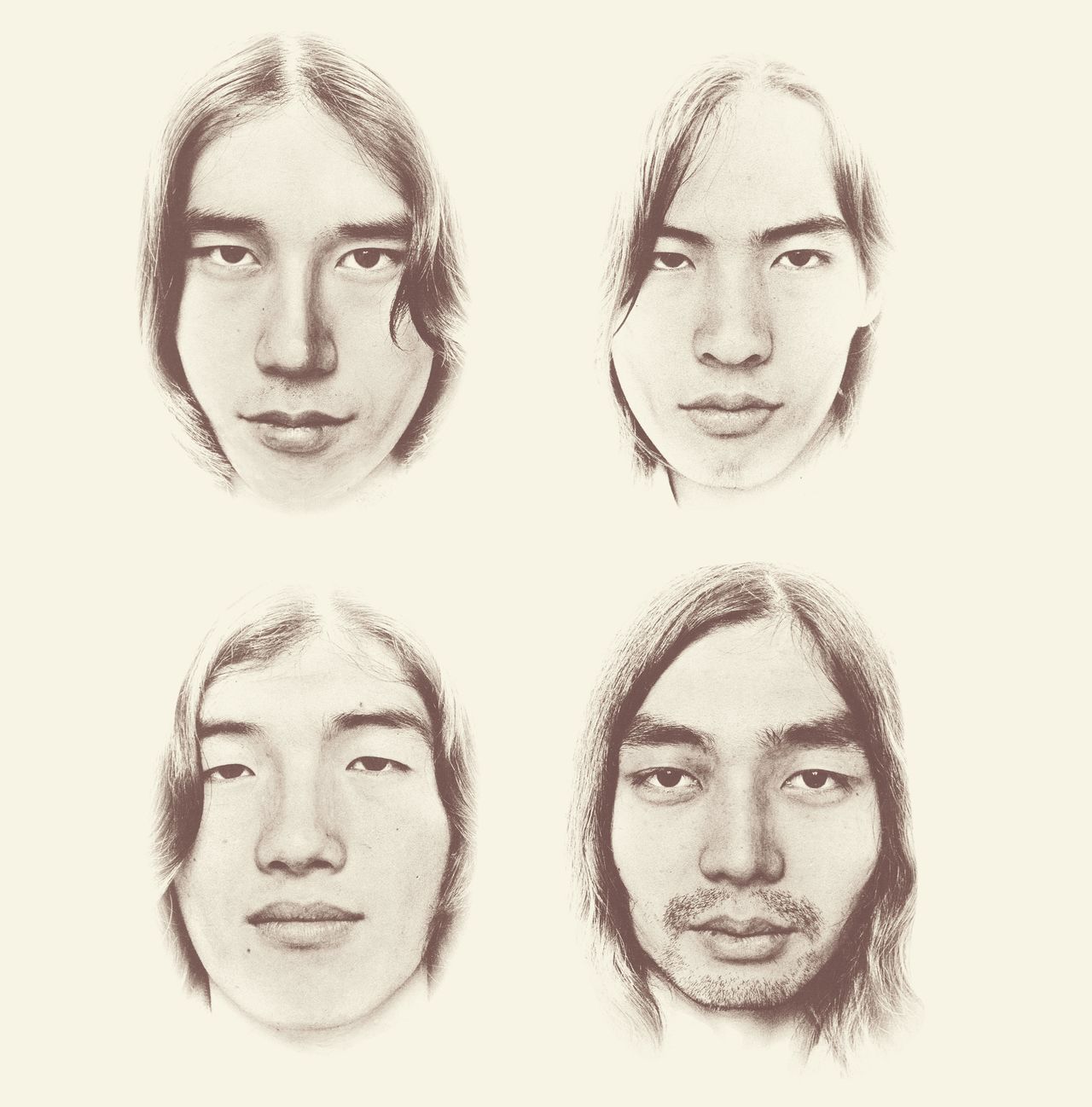
Kazemachi Roman, originally released in 1971. The image is the cover as published on Nippon.com, credited © URC Records / Sony Music Labels Inc. Source · Open image
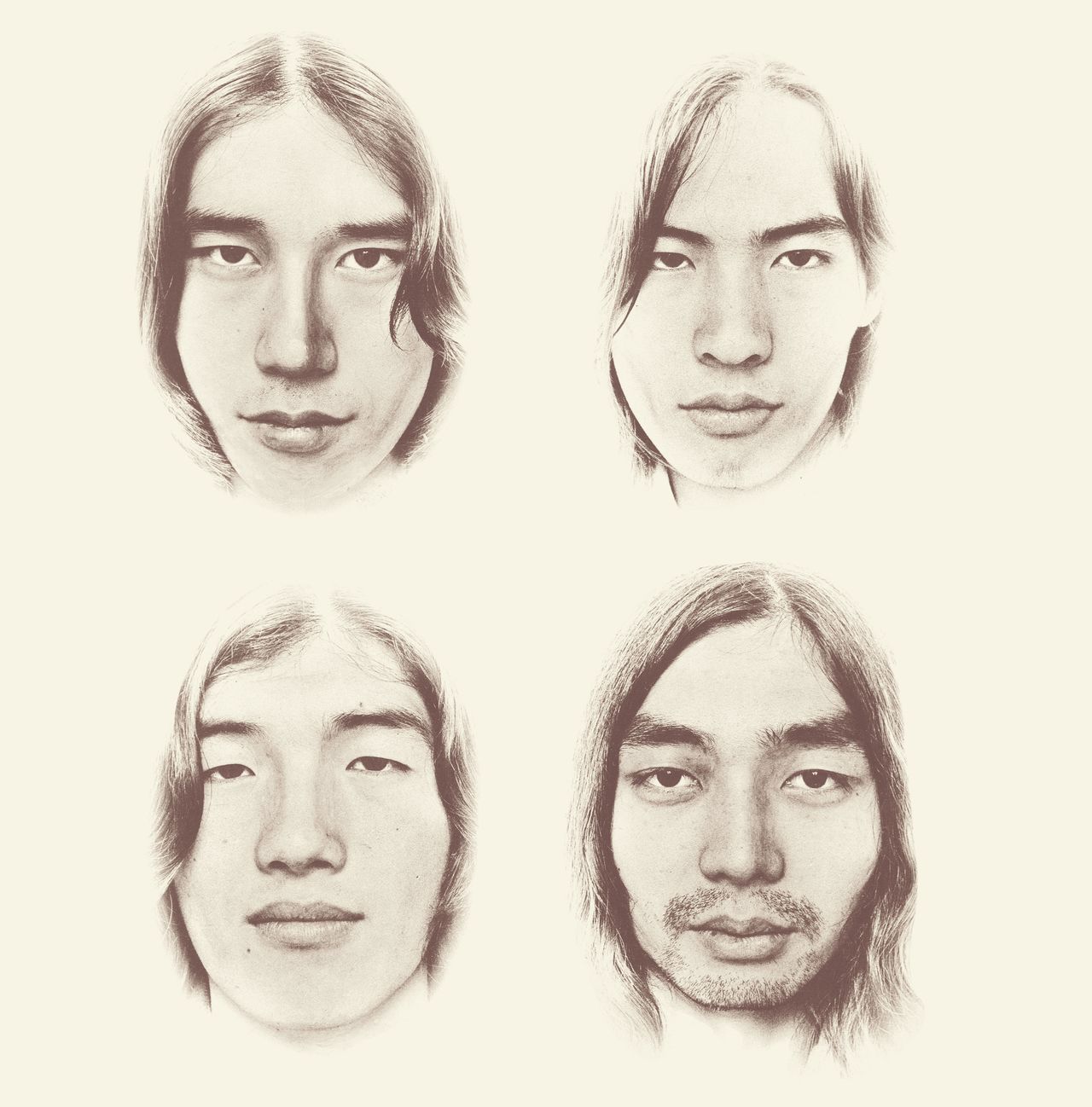
Listening to this record today, you may not immediately find the later voices of Anri or Mariya Takeuchi. Its value does not need to be proven through similarity. Placing it in the prequel is to see how those who later participated in City Pop first learned to organize a modern pop song in their own language.
Where Japanese syllables should fall, how long a phrase should be sung, how the bass and drums support the vocalist—these questions must always be resolved in each specific song. The "Windy Street" in the record title also gives the city a scale that can be preserved by personal memory: a place can be sung, and those who hear it can recognize their own lives in it.
In 1973, Hosono moved his work into a former US military residence in Sayama, Saitama Prefecture. "HOSONO HOUSE" was recorded there and released in May of the same year. Participants included Shigeru Suzuki, Tatsuo Hayashi, Masataka Matsutoya, Hiroki Komazawa, and recording engineer Kinji Yoshino. The official project notes commemorating this album specifically mention the limited recording conditions of the residence, and how the sound was achieved through the joint efforts of the musicians and the engineer.
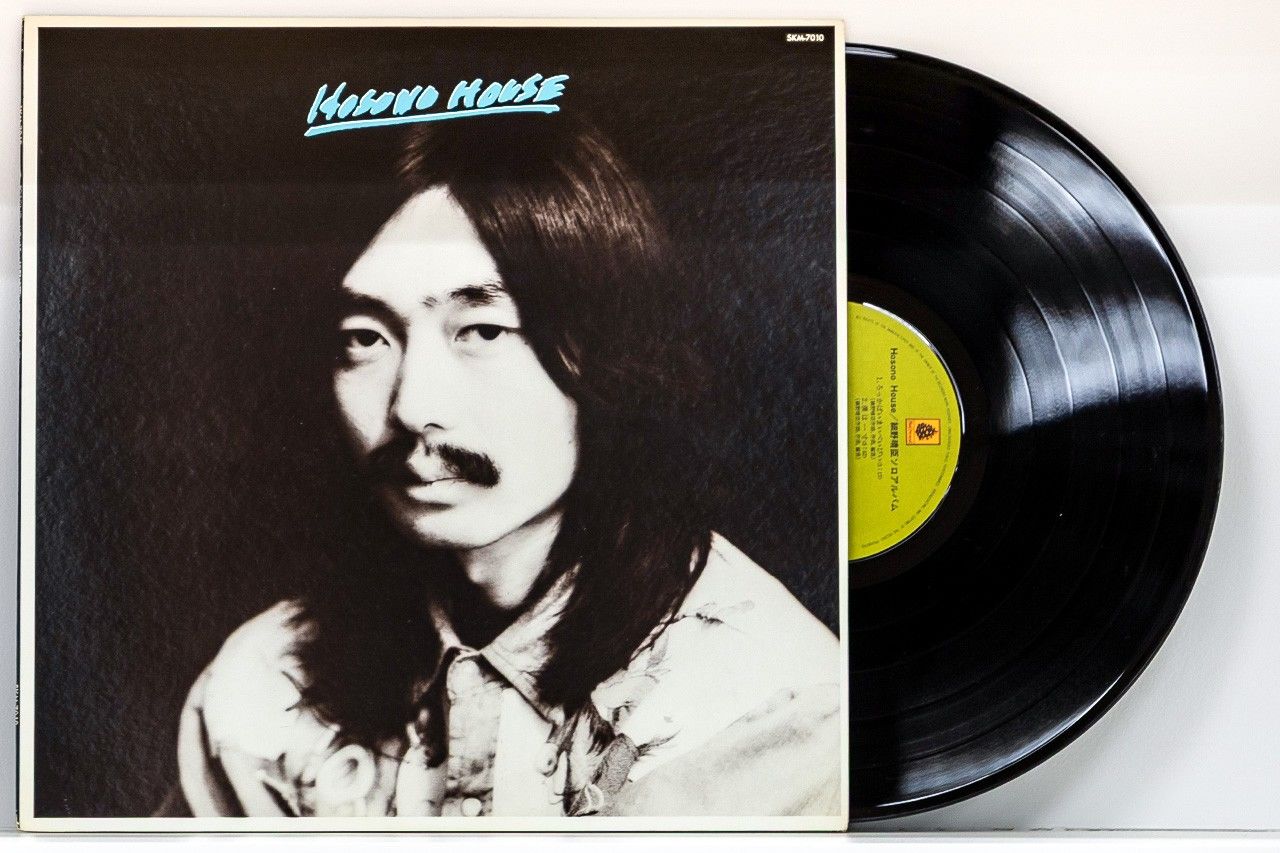
"HOSONO HOUSE", originally released in 1973. The photo shows the actual record and sleeve, taken by Nippon.com; the date of the photo is not specified.
This house connected the background of postwar musical exchange with the daily work of a group of people. The former US military residence, inspiration from American singer-songwriters, and the cooperation of Japanese musicians ultimately remained on a record sung in Japanese.
"HOSONO HOUSE" is best entered slowly through "Koi wa Momoiro." The vocals are close, and the songs do not rush. For listeners already accustomed to the bright surface of City Pop, it offers a useful starting point: the later complex, refined recordings could also grow out of a group's patience with sound.
Hosono, Shigeru Suzuki, Tatsuo Hayashi, and Masataka Matsutoya subsequently formed the group Caramel Mama, and this collaborative line extended to Tin Pan Alley. They also participated in production and accompaniment for other singers. Thus, one person's album would bear the craftsmanship of several people. Collaboration context
From here on, the list of names on the back of the record becomes increasingly worth examining.
III. Yumi Arai: Leaving Her Own Voice in the Songs
In November 1973, Yumi Arai released her debut album "Hikoki Gumo." Later, people became more familiar with her married name: Yumi Matsutoya. Caramel Mama participated in the sound construction of her early music.
This record introduced another key figure into the story: producer Kunihiko Murai.
Arai later recalled that she had a clear awareness of composition at the time, but did not intend to sing herself from the beginning. Murai believed that her world of songs needed her own voice. The recording process was quite long, with staff repeatedly asking for pitch adjustments; she also adopted a singing style with less vibrato upon the production team's suggestion.
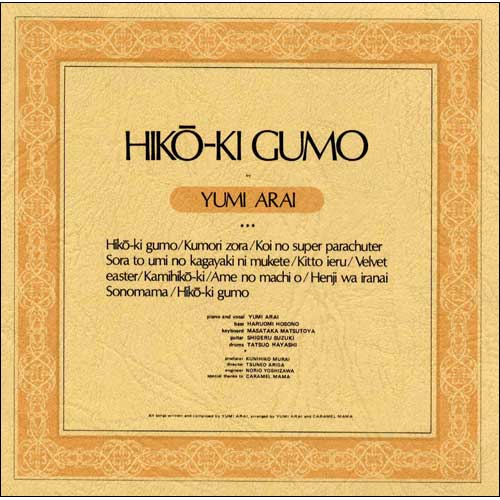
"Hikoki Gumo", originally released in 1973. The image is taken from the product page for the TOCT-10711 reissue on Universal Music Japan. Source · Open image

This detail is worth pausing on. An author wrote the songs, but still needed to decide with what kind of voice to deliver them to others' ears. Each breath, how much resonance is left at the end of a phrase, will change the distance between a song and the listener.
When listening to "Hikoki Gumo" or "Velvet Easter," one can pay attention to this distance. She does not push every line to the same intensity; the melody leaves space for the words. Keyboards, rhythm section, and vocals thus form a relationship: the instrumentation can be rich, yet the listener can still follow one person's tone.
The emergence of such singer-songwriters prepared a place for the private experiences of later City Pop. Love, weather, the feeling of an afternoon—all had the chance to become the center of a whole song. Changes in urban life, when they reach the record, often first manifest as a person beginning to notice their own feelings.
Writing this section, one should also remember the agency of women authors in it. Arai brought works and voice; Taeko Onuki would later write her own lyrics and music; Mariya Takeuchi would complete an album with her own lyrics and music. Producers and accompanying musicians helped the works take shape, but the author's gaze determined what we see in the songs.
IV. Sugar Babe: A Brief Band, a Long List of Names
Formed in 1973, Sugar Babe placed Tatsuro Yamashita and Taeko Onuki in the same band. The band left behind "SONGS" in 1975 and disbanded in 1976.
"SONGS" was released by Eiichi Ohtaki's Niagara label. Ohtaki's name extended from Happy End to here; the long stories of Yamashita and Onuki had not yet fully unfolded.
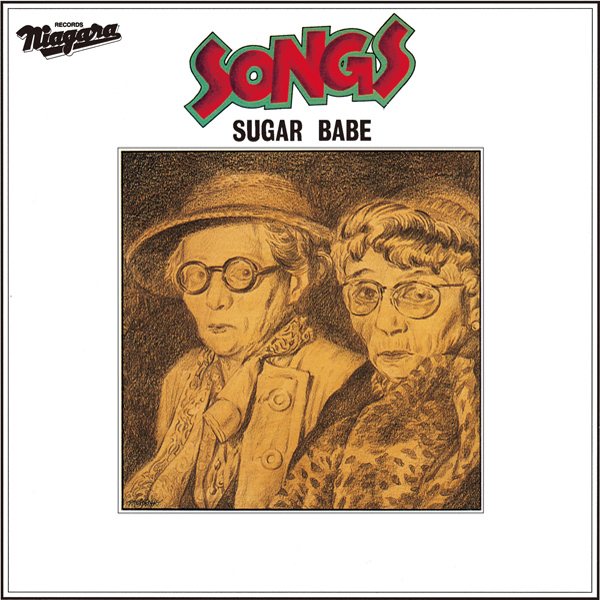
"SONGS", originally released in 1975. The image is the cover used in the catalog on Tatsuro Yamashita's official website, and is not intended to identify a specific pressing.
Entering this record through "DOWN TOWN," it is easy to understand why it became a place later listeners continually revisit. You can first listen to the melody, then shift your attention to the harmony: there are other voices beside the lead vocal, and they give a simple phrase more layers.
The song "Itsumo Dori" sung by Onuki offers yet another tone. The same band accommodating different authors gives the album a natural variation between openness and restraint. Listening to one side and then flipping it over, these differences will be clearer than by picking out a single hit song.
"SONGS" also provides a way to understand music history. A group may exist for only a short time, but the experiences the members take with them can continue to be used. Those who have collaborated know how each other handles rhythm, know what kind of harmonies can be placed behind whose voice; these understandings will reappear at the next recording session.
After the band disbanded, Yamashita and Onuki went on to their own works, but the connections on the roster remained. The person singing harmony on one song might be at the forefront on the next record. If readers are willing to follow this kind of role transformation, they can see how a genre slowly takes shape through concrete work.
5. Taeko Onuki and Minako Yoshida: Each Record Has Its Own City
In 1977, Taeko Onuki released her second solo album, "SUNSHOWER." Her official website preserves a detailed list of performers: Ryuichi Sakamoto was responsible for musical direction and arrangement; on "Miyako," Haruomi Hosono played bass, Chris Parker played drums, Kenji Omura played guitar, and Tatsuro Yamashita participated in backing vocals. Producers included Seiji Kuniyoshi and Akira Ikuta, with Onuki herself as co-producer.
Each job here has its own place. Attributing all the credit to one musician who later became most famous would cause a record to lose its original structure.
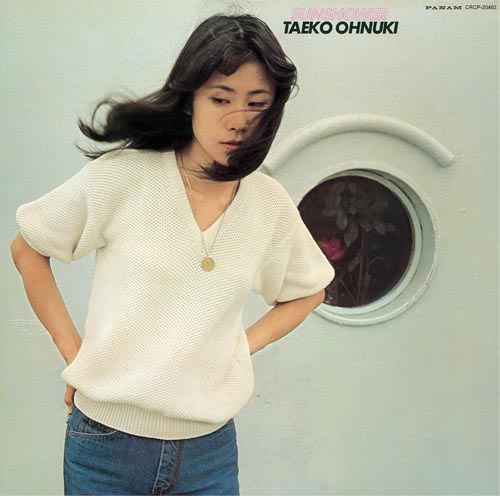
"SUNSHOWER," originally released in 1977. Image taken from Taeko Onuki's official album page.
"Miyako" is well-suited as an entry point for listening to this album. The rhythm keeps moving forward, and the vocals remain restrained. If placed under bright city footage, it can certainly achieve a beautiful effect; but listening to the whole song on its own, one notices the distance between the singer and the surrounding world.
This feeling is part of what makes City Pop worth listening to repeatedly. Life in the city can be desirable, but it can also be tiring. Elaborate arrangements can accommodate complex feelings, and light rhythms can also accompany someone who is not having an easy time.
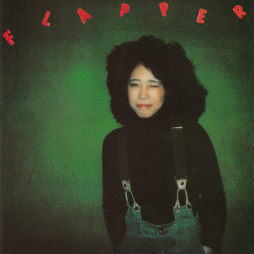
Moving on to another record, one encounters Minako Yoshida. On her 1976 album "FLAPPER," she both sang and wrote; "Yume de Aetara" was written and composed by Eiichi Ohtaki, "Rum wa Osuki?" had lyrics by her and music by Hosono, and "Last Step" was a lyrics and music collaboration with Tatsuro Yamashita.
Several people who have already appeared meet again on her album. Yoshida's name also reminds us that musicians in a collaborative network have their own creative centers. Her work deserves independent listening; the power of her vocals, the extension of melodies, and their relationship with rhythm all have their own character.
Playing "FLAPPER" and "SUNSHOWER" next to each other is a more direct way than memorizing genre definitions. In the same musical environment, the two authors' tones remain different. The name City Pop makes it convenient to put records together, while the ears are responsible for continuing to discern the differences.
6. Tatsuro Yamashita: Sound Gains a Space You Can Walk Into Repeatedly
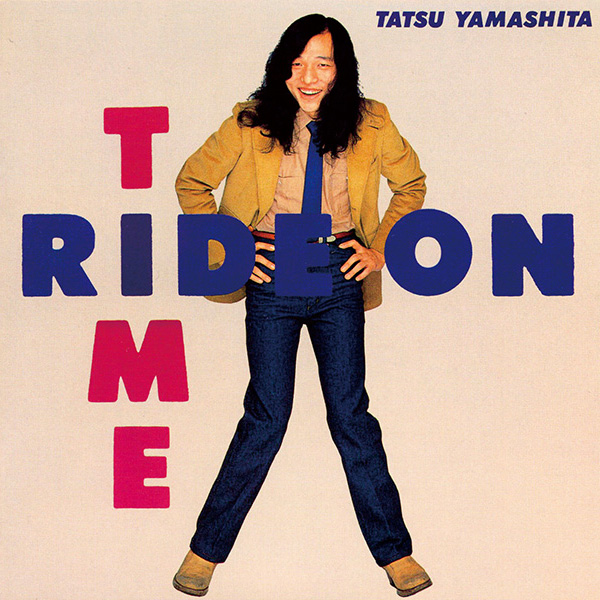
Tatsuro Yamashita's first solo work, 1976's "CIRCUS TOWN," was recorded in New York and Los Angeles. By 1980's "RIDE ON TIME," and then 1982's "FOR YOU," his records gradually formed one of the most recognizable main lines of City Pop today.
On this path, one can notice his interest in organizing sound. Listening to "SPARKLE," the opening guitar gives the ear a clear landing point. After the vocals enter, various sounds maintain their own positions, the rhythm has a continuous driving force, and the harmonies unfold the melody to both sides.
What is called "refinement" here can be understood as giving the listener room to choose their attention. The first time, follow the lead vocal; next time, listen to the bass; and the next time, notice what comes after a melodic phrase ends. The song is easy enough to enter, yet withstands repetition.
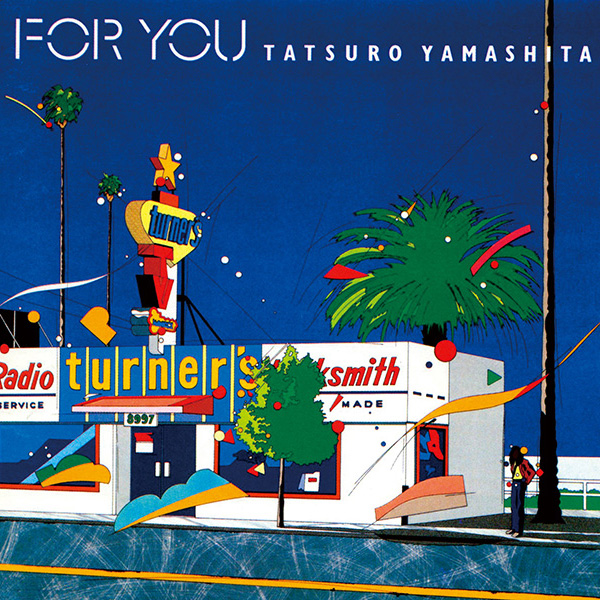
"FOR YOU," originally released in 1982, with cover art by Eizin Suzuki. Image taken from Tatsuro Yamashita's official catalog.
The cover of "FOR YOU" was drawn by Eizin Suzuki. In a later interview with "BRUTUS," he said the commission was quite free; he thought of an American West Coast electronics store that also sold records, and drew Yamashita beside the store.
Thus, the sunlight on the cover has a very concrete setting: electronics, records, a shop, people on the street. It places a carefully crafted album into an imaginable everyday life. Before we hear the first guitar phrase, we already know we are willing to stay here a little longer.
The place of listening is also changing. In 1979, Sony introduced the first-generation Walkman TPS-L2, combining stereo cassette playback with lightweight headphones. The official product history records the formation of this portable listening style.
For a song, this means it can accompany walking and time out of the house. A journey has length, and a few songs can arrange ups and downs for that length. The city still operates as usual, but those wearing headphones can choose another rhythm for their own field of vision.
From records to cassettes to headphones, the connection between City Pop and lifestyle becomes tangible. Understanding it as a fixed set of tones would miss how these sounds were taken out of the home and how they remained in personal memory.
7. Eiichi Ohtaki and Takashi Matsumoto: Arranging Colors for a Vacation
As Yamashita's story moves forward, Eiichi Ohtaki's story has also continued.
In March 1981, A LONG VACATION was released. Takashi Matsumoto, a partner from the Happy End days, wrote lyrics for many of its songs, and Hiroshi Nagai's painting became the cover. This record brought together the work of several creators: the sound of the songs, the time in the lyrics, and the space in the images.
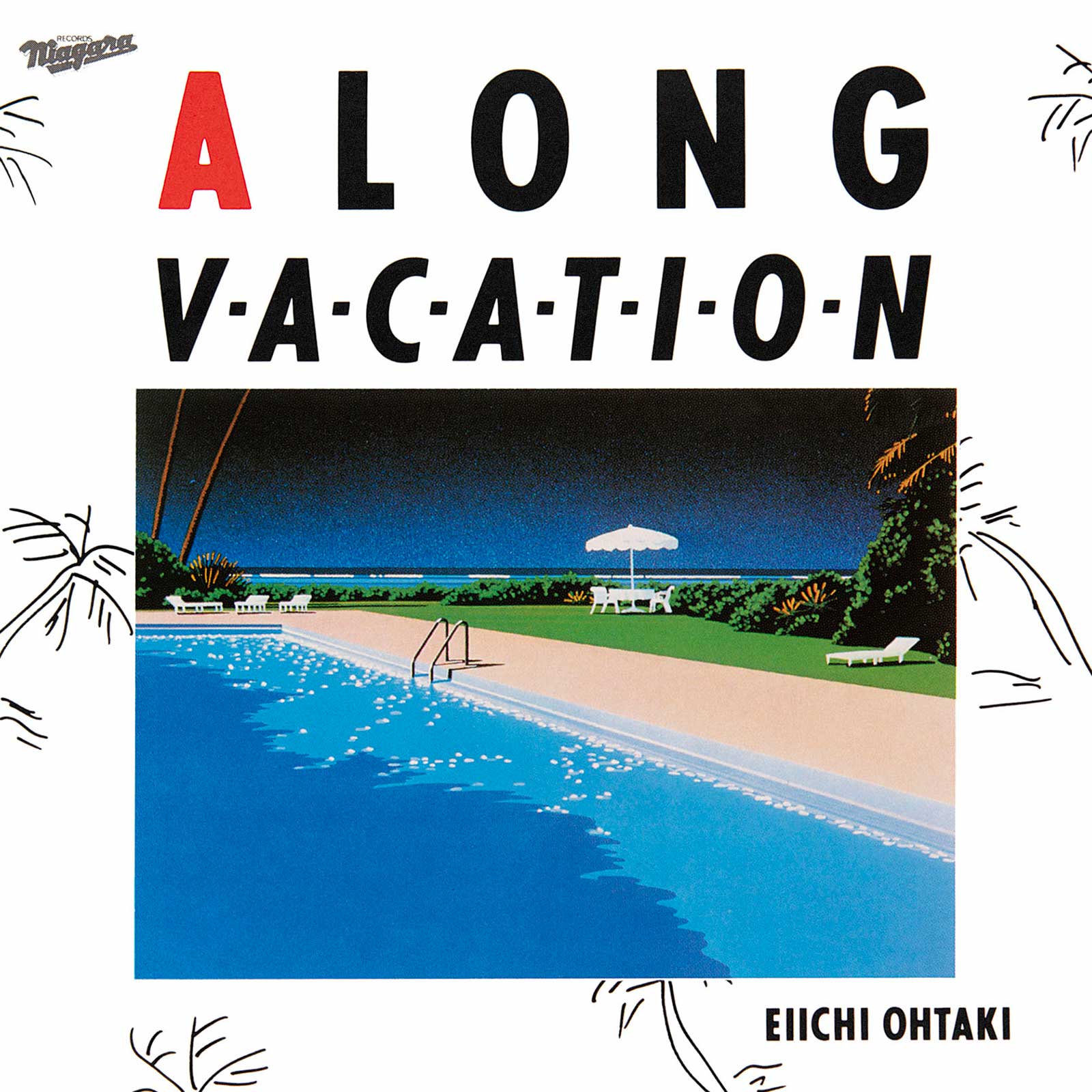
- A LONG VACATION, originally released in 1981, with cover art by Hiroshi Nagai. The image shows the promotional image for Sony Music's 2021 40th-anniversary edition.*
Look at that blue, and then listen to "Kimi wa Tennen Shoku" or "Canary Islands," and it's easy to understand how the album cover participates in listening. The image is simple enough to leave much to the imagination: where the light falls, how calm the water is, how the time of day will pass.
Ohtaki's songs then give sound to these still colors. The melodies have clear hooks, and the details in the arrangements unfold layer by layer. One can take away just the chorus, or on the next listen, notice sounds that were not noticed at first.
This record also serves to explain why "city" and "vacation" appear in the same musical imagination. A vacation usually means temporarily leaving daily life, and the desire to leave is connected to daily life. The more specific the work hours, the easier it is to imagine an afternoon without having to rush.
The cover does not prove that everyone at the time had a life by the pool. It shows a landscape that could be purchased, kept, and repeatedly entered. The buyer takes the record home, listens in their own room, and the distant place in the painting acquires a very close position.
Hiroshi Nagai and Eizin Suzuki each had their own styles, and both later contributed to the visual memory of this music. Some of today's images of the sea, palm trees, and clear skies have been preserved from physical records in this way.
8. Tetsuji Hayashi: How a Song Is Handed to Another Person
Let's turn the clock back to 1979, and Tetsuji Hayashi appears in the story.
That year, he wrote "SEPTEMBER" for Mariya Takeuchi, and also wrote "Mayonaka no Door ~stay with me" for Miki Matsubara. The latter was released in November as Matsubara's debut single. In a later interview, Hayashi recalled that the production team wanted a work with a Western pop feel, and the musicians' treatment also brought important details to the finished product.
In such a production process, completing the composition is only one step. The melody must go through arrangement, performance, and singing before it becomes the recording we know. How the vocalist enters a phrase, how the drums and bass make room for her, how the instrumental interlude takes over the emotion—all influence the final form of the song.
"Mayonaka no Door" later appeared on Matsubara's 1980 debut album POCKET PARK. The record company's anniversary retrospective notes that promotional displays for her were already hanging in record stores at the time. From her debut, this singer was placed within a formal record industry and promotional system.
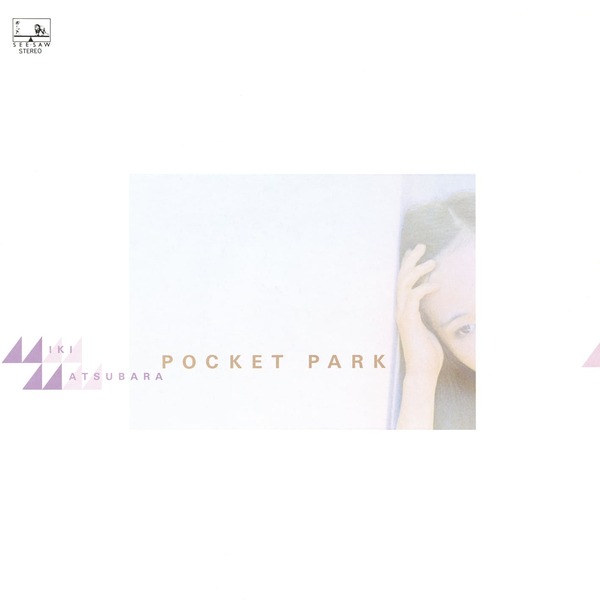
- POCKET PARK, originally released in 1980. The image is a reprint product image listed in Pony Canyon's anniversary feature.*
This gives today's "rediscovery" a context that should be preserved: before the internet sent the song on another journey, it had already been carefully produced, released, purchased, and listened to. Early listeners also had their own memories.
When it comes to Anri, Tetsuji Hayashi's name connects with Toshiki Kadomatsu.
Anri gained widespread attention in 1983 with works such as "CAT'S EYE," and released Timely!! the same year. Kadomatsu later said about producing "Kanashimi ga Tomaranai" that he asked Tetsuji Hayashi to compose, Kang Jin-hwa to write lyrics, and then participated in arrangement and recording organization himself. He wanted the song to have a Motown pop feel, and also wanted the lyrics to be close enough to life.
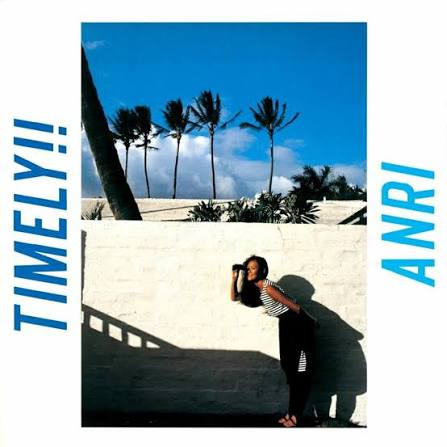
- Timely!!, originally released in 1983. Image taken from For Life Music's 2008 reissue product page.*
Timely!! combines easily memorable songs with the listening experience of a complete album. From "WINDY SUMMER" to "STAY BY ME," the sound is bright and the rhythm consistent. Anri's singing keeps the melodies clearly outlined; the songs can go to radio and are also suitable for listening through one after another.
Kadomatsu's own AFTER 5 CLASH was released in 1984. Even the album title gives a time: after work, there is still a part of the day that can belong to oneself.
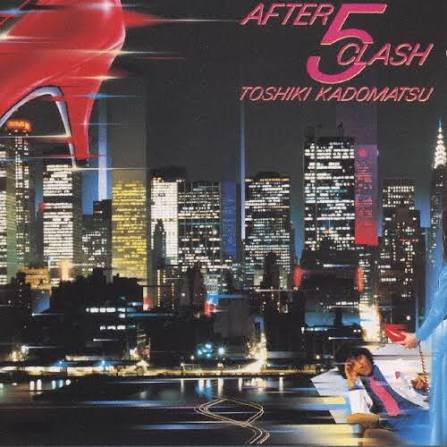
- AFTER 5 CLASH, originally released in 1984. Image taken from Toshiki Kadomatsu's official catalog; the original image is small.*
Putting this record after Anri, it's suitable to continue listening to how the rhythm arranges the body's movement. Commuting, parties, dance floors, and nights can become entry points for understanding this kind of music. Pop music borrows moments from modern life and adds emotion to them.
The producer's work becomes clear here. They must hear the singer's characteristics, choose the right songwriter, and bring the sounds of different musicians together into one song. Successful collaborations leave a sense of continuity, and the small print on the back preserves who made it happen.
9. Mariya Takeuchi: Beyond a Hit Song, There Is the Whole Album
In April 1984, Mariya Takeuchi released VARIETY. She wrote all the lyrics and music herself, with Tatsuro Yamashita as producer. PLASTIC LOVE is the second track; the twelve-inch single was released in March 1985, featuring an alternate mix.
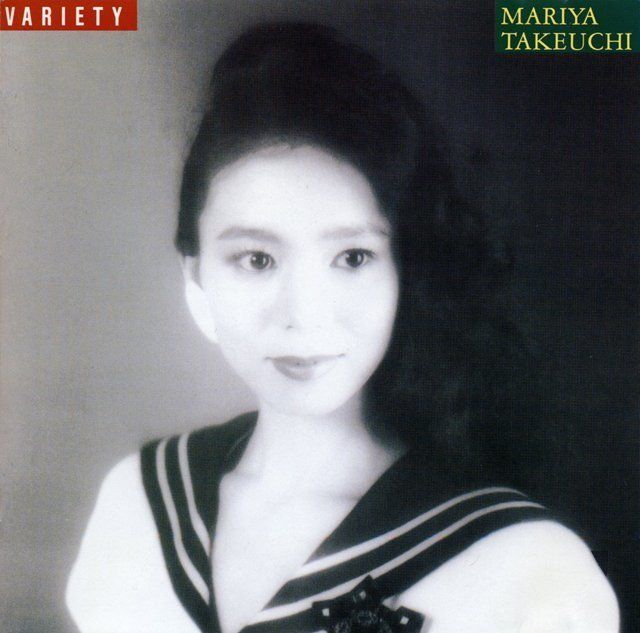
VARIETY, originally released in 1984. The image shows the reissue cover as listed in the Warner Music Japan catalog.
The name "VARIETY" also deserves serious attention. After listening to PLASTIC LOVE, you can continue with Mō Ichido, then Mājī Bīto de Utawasete, and return to the beginning of the album. The changes between works will give you a more complete picture of Takeuchi as a songwriter.
Once a song becomes representative of an era, it often obscures its original place. We are familiar with its intro, the images it has been paired with, and its neighboring tracks on playlists, but we may not remember what came before or after it.
Listening to the entire album again is a simple way to restore that position. A singer's expression has its own pace, weight, and varying interests. Those songs that did not later become internet icons also preserve what she wanted to do at the time.
The lasting appeal of PLASTIC LOVE can be understood first from this awareness of a complete body of work. The song is distinctive enough to be taken on its own; its creator also possesses a broader world. After finding a song, finding the person behind it allows the listening to continue forward.
Ten: Old Records Cross the Sea
At this point, City Pop is difficult to draw with neat boundaries.
Some records are closer to the singer-songwriter tradition, some lean toward soul and funk, and some are tightly connected to commercial pop. They share some musicians, production experiences, and listening interests, yet each grows in different directions. The line of people selected in this article is just one path into this history.
These people's work did not stop in the mid-1980s. Tatsuro Yamashita released POCKET MUSIC in 1986, Boku no Naka no Shōnen in 1988, and ARTISAN in 1991. His official chronology also documents the difficulties encountered during the transition from analog recording to digital environments. Continuing to browse the catalog reveals musicians adjusting their approaches to new technologies and markets.
Therefore, while the bursting of the bubble economy can help us understand changes in social atmosphere, the career lives of musicians still need to be examined individually. The set of covers we are especially familiar with today only captures a few moments from their long careers. Later records, performances, and collaborations continued to happen beyond that often-nostalgized summer.
Later, old records were reorganized for new listeners through reissues, selections by collectors and DJs, and online dissemination. In 2019, Light in the Attic released Pacific Breeze: Japanese City Pop, AOR & Boogie 1976–1986. The selection was curated by Andy Cabic, Zach Cowie, and Mark "Frosty" McNeill; Hiroshi Nagai created new cover art for the compilation.
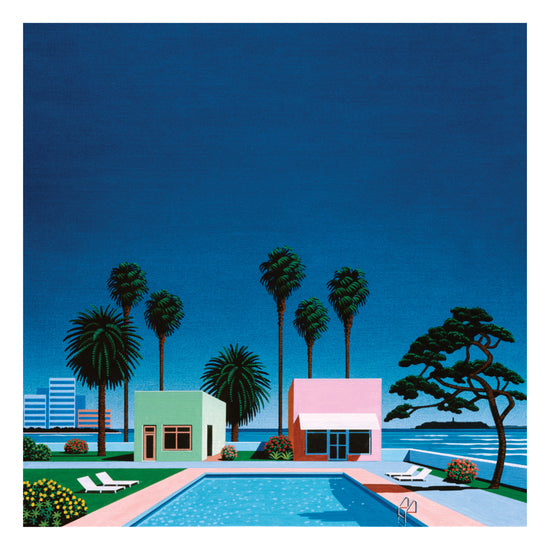
Pacific Breeze first volume, released in 2019; the 1976–1986 in the title indicates the era of the music included. Hiroshi Nagai created new cover art for the compilation, image from Light in the Attic.
The cover still evokes summer, but inside is a later selection. The compilers chose songs from many people's records, arranged the order, and presented them to listeners who may not be familiar with the original history. The "classics" in our minds today are also influenced by these entry points.
Miki Matsubara's song has another clear path of dissemination. In a 2020 Billboard Japan article, the long-term airplay in Asian DJ circles was discussed, as well as the further spread after Indonesian singer Rainych uploaded a cover in October of that year. Mayonaka no Door reached international audiences again through multiple relays. Matsubara passed away in 2004 and did not live to see this resonance.
Language creates a special distance here. A listener might first fall in love with the rhythm and sound, then later look up the lyrics, and only then learn the singer's name. The order of history is often reversed in personal listening.
For this reason, writing a brief history of City Pop requires preserving two times simultaneously: the time when the music was created, and the time when we rediscover it. The former belongs to the singers, musicians, and listeners of that era; the latter also includes today's cover artists, compilers, and the person on the other side of the screen pressing play for the first time.
Eleven: Keep These Records Close
The following thirteen are arranged by original release year. The first few are for listening to the origins, and the later works gradually enter the core territory of what is now commonly called City Pop. This is an ordered introductory record shelf; the selection suggestions are the listening recommendations of this article.
Prologue entrance. First listen to 'Kaze wo Atsumete', notice how Japanese and the band's rhythm coexist, then listen to the entire album to know the starting point of Haruomi Hosono, Eiichi Ohtaki, Takashi Matsumoto, and Shigeru Suzuki working together.
First listen to 'Koi wa Momoiro'. Suitable for setting the volume naturally and following the song's pace; it retains the scale of a single room for the later intricate sound world.
Start with the title track and 'Velvet Easter'. Notice the tone of the vocals and how the accompaniment unfolds around her; private feelings thus have a clear place.
First listen to 'DOWN TOWN', then 'Itsumo Dori'. Putting the two sounds together helps understand the directions Yamashita and Onuki each took later.
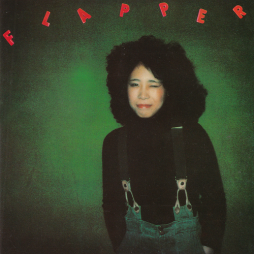
From 'Yume de Aetara' to 'Last Step'. Also read the songwriting credits; you'll find that the figures mentioned earlier have already gathered into a very dense network here.
First listen to 'Miyako' and 'Summer Connection'. It's good to notice the distance between the singing and the rhythm, then continue searching along the credits of Ryuichi Sakamoto, Haruomi Hosono, and Tatsuro Yamashita.
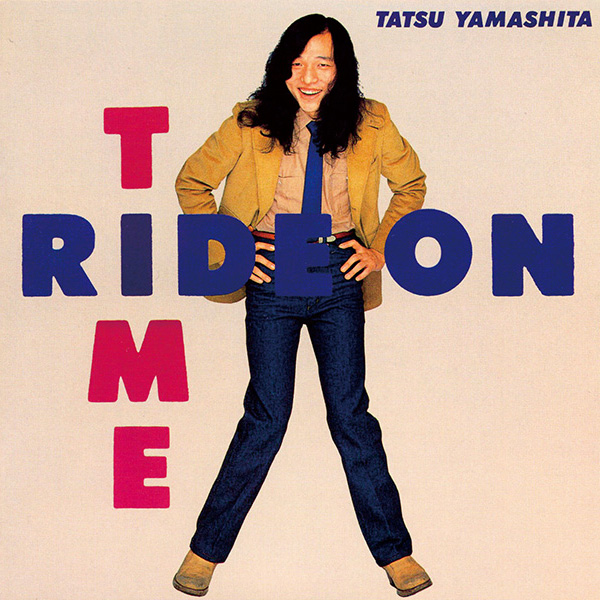
Besides the title track, also listen to 'MY SUGAR BABE'. This record is suitable for connecting the band period with the later, more mature solo sound.
Continue listening from 'Mayonaka no Door ~stay with me'. Let the familiar song lead the way first, then give time to the whole album to know the singer beyond the hit song.
'Kimi wa Tennenshoku' and 'Canary Shoto nite' are good entry points. Keep the cover at hand; the auditory and visual together compose this vacation.
Start with 'SPARKLE' and end with 'YOUR EYES'. If you can only choose one to enter this line of figures, this is very suitable: the songs are distinctive, and the sound details are rich enough.
First listen to 'WINDY SUMMER' and 'STAY BY ME'. This album is suitable for continuous playback, to experience how the singer, songwriter, and producer together maintain an overall lightness and flow.
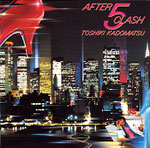
Listen after Anri. Notice the placement of rhythm and vocals, or save it for a journey after work, turning the time in the title into your own time.
After 'PLASTIC LOVE', continue with 'Mou Ichido' and 'Mersey Beat de Utawasete'. Let the whole album introduce her, and the hit singles will gain more context.
If you want to keep going outward along this record shelf, you can use Pacific Breeze as a later guide map. It is suited to discovering new names, then following the songs back to their respective original albums.
The covers in the grid are the same as above; for original release years, see the record names; for image versions and sources, see the captions above. Supplementary covers: FLAPPER works archive · Open image; RIDE ON TIME official catalog · Open image.
12. Finally, Look at the Back Again
The story of City Pop can still begin again today from a very small gesture.
Hear a song you like, and write down the name. Find the album, and listen to the song before and after it. Turn it over, and see who played bass, who wrote the lyrics, who placed the harmony behind that line.
The coast, the highways, and the night will continue to accompany this music. Listen a little deeper, and you can also hear something closer: an author found a tone that suited them, a producer invited the right partners, a few musicians completed a song carefully enough.
Many years later, those names are still printed in their original places.
Turn the record back to the front, and the music can begin.
References
- History of Postwar Japanese Popular Music: The connection between occupation-era broadcasting, military base performance environments, and the Japanese entertainment industry.
- Cabinet Office, Government of Japan, Economic and Social Research Institute: Postwar High-Speed Growth and Economic Plans: Popularization of household durable consumer goods, population migration, and development disparities; Table 4-3 is the statistical basis for this article.
- Bank of Japan: Price Stability and the Responsibility of the Central Bank: The era background of the bubble period and economic expansion.
- City Pop Historical Guide and Haruomi Hosono Music Retrospective: Collaborations and early context.
- HOSONO HOUSE Official Commemorative Project, Yumi Arai Talks About Her First Album, Taeko Onuki Official Recording Credits: Background of the works' production.
- Tatsuro Yamashita Official Album Catalog, Niagara Catalog, Minako Yoshida Works Archive: Release years and work credits.
- 《A LONG VACATION》Official Commemorative Page and Eizin Suzuki Interview: Record versions and cover art creation.
- Tetsuji Hayashi Interview, Toshiki Kadomatsu Interview: Production relationships for songs by Miki Matsubara and Anri.
- 《Timely!!》Official Information, Kadomatsu Official Catalog, 《VARIETY》Official Information: Release and track information.
- Light in the Attic《Pacific Breeze》 and Billboard Japan 2020 Report Reprint: Compilation selection and re-dissemination paths.
Illustrations use record covers and physical photos from verifiable sources, some are official reissue product images; original release years and image versions are explained in the captions. Copyright of images and cover designs belongs to their respective rights holders.