
The content of this article is compiled from online sources and books.
I walked up to the picture-book shelf. Pulling out the heavy art books was in itself more effort than usual—I thought. But I pulled them out one by one and opened them, yet the desire to examine them carefully just wouldn't well up.
— Motojirō Kajii, "Lemon"
Around 1994, there was a DJ bar called Inkstick on Shibuya Koen-dori in Tokyo, hosting a party called Free Soul Underground once a month.
The person throwing the party was Tetsu Hashimoto, a record guide editor and selector who specialized in spinning mellow grooves from the periphery of 1970s soul music.
A young man still studying design came to almost every event. Halfway through a DJ set, he'd lean in and ask, "What's this track?"
Hashimoto's first impression of him: not a smooth talker, but passionate about music and very eager.
The young man was named Jun Yamada. A few years later, the world would remember him by another name: Nujabes.
Hashimoto recalls that he often had a saying: "I want to find the best two bars."
Two bars is only about five or six seconds in a song. Almost every piece of music he later made revolved around those five or six seconds.
1. Reading the Name Backwards
The moon hangs in the sky like a medal, / The buildings on the corner like an organ, / Men tired from play sing as they walk home.
— Chūya Nakahara, "Song of the Goat: Summer Night in the City"
On February 7, 1974, Jun Yamada was born in Minato Ward, Tokyo. Japanese Wikipedia says Nishi-Azabu, Minato Ward, just a few kilometers from Shibuya.
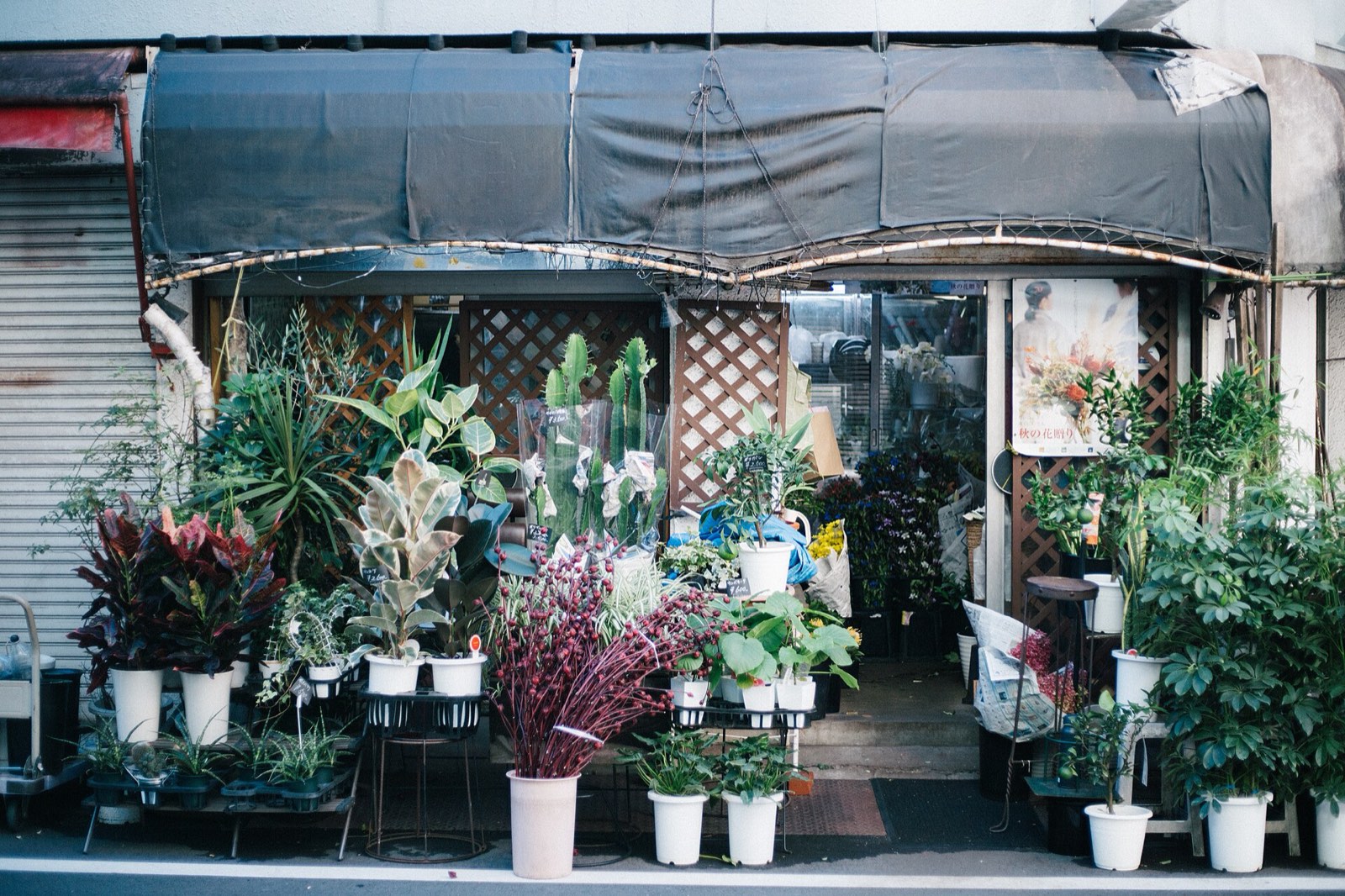
Figure 1 | Streets of Nishi-Azabu, Minato Ward, Tokyo, photographed in 2023. According to Japanese Wikipedia, he was born in this area.
He first changed his name in one of Tetsu Hashimoto's books.
At the end of 1995, Hashimoto was editing a new issue of SUBURBIA SUITE. It was a record guide he edited himself, dedicated to old records suitable for playing in rooms and at parties. The young man who frequented the parties said he wanted to participate as a writer.
Hashimoto credited him under his real name, "Jun Yamada," on the copyright page. When the proofs came back, the name had been changed, with a note beside it: From now on I'll use the name "Jun Seba."
Jun Seba, romanized as Seba Jun. Read those letters backwards, and you get Nujabes.
That issue was published in February 1996, and "Jun Seba" appeared for the first time in the list of writers on the copyright page (see the copyright page photo in ARBAN's report). According to ARBAN's report, he also volunteered to shoot artist photos for Hashimoto at that time.
2. The Record Store in Udagawacho
Working, / working, yet life still isn't any easier— / I quietly look at my own hands.
— Takuboku Ishikawa, "A Handful of Sand"
The same year he wrote for Hashimoto, he also opened a record store.
That was 1995, and he was twenty-one. The store was in Udagawacho, Shibuya, initially called Bongo Fury Records, and renamed GUINNESS RECORDS a year or two later.
Udagawacho is northwest of Shibuya Station. In the nineties it was packed with small shops selling imported and secondhand records; some called the area "Record Village."
According to Japanese Wikipedia, his store was in the Takano Building, up a small alley next to Manhattan Records. Manhattan Records was one of the most famous hip-hop record stores in the area.
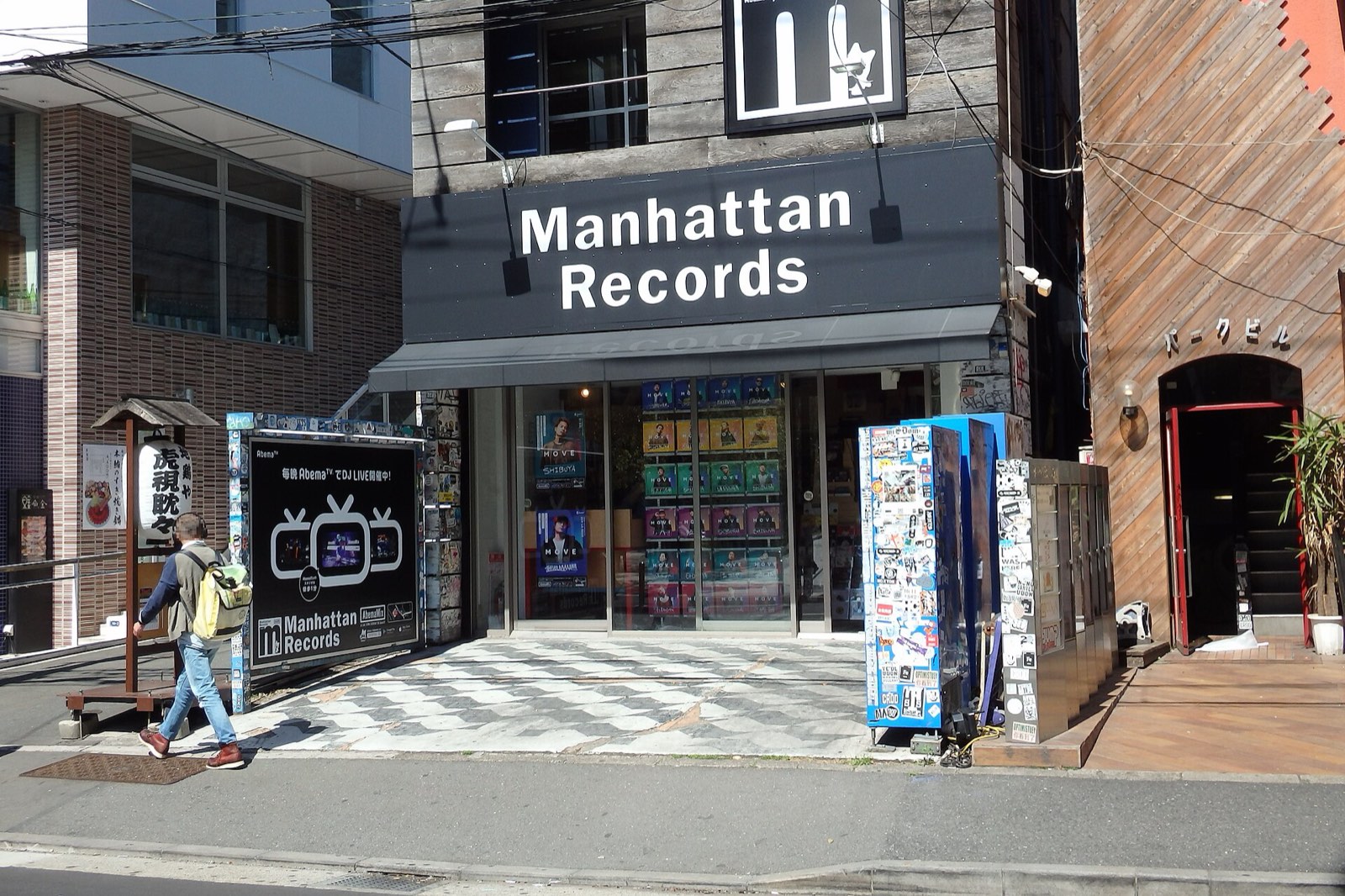
Figure 2 | The Manhattan Records storefront in Udagawacho, Shibuya, photographed in 2019. According to Japanese Wikipedia, his store was in a building up the alley from here.
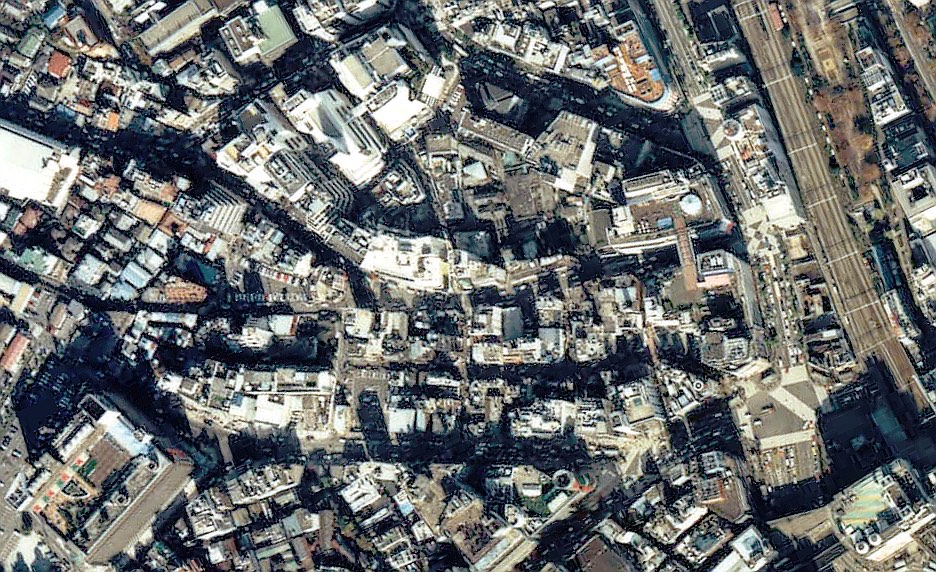
Figure 3 | Aerial view of the Shibuya Center-gai area in 1984, aerial survey photo by the Ministry of Land, Infrastructure, Transport and Tourism. He opened his store eleven years later; the image shows how dense the neighborhood was.
Not everyone in the family approved of the store. The team that produced his memorial video spoke with his mother by phone in 2020, and she recalled those days: his father opposed it, so she secretly brought him the things he needed to open the store.
The store mainly sold new American underground hip-hop records. According to a Japan Times report, his prices were cheaper than anywhere else.
People who came to buy records and those who helped out in the store gradually formed a group of beatmakers of the same age. Hashimoto later said that this store, and Tribe, another secondhand record store he opened in 2003, were also a "salon" for him.
When he opened Tribe, Jun Seba talked about his ideas in a magazine interview, roughly: all the records in the store were personally selected by him on trips overseas, and he hoped people would take their time auditioning old records here, be moved by what they heard, and go home to make good beats.
3. Making Records Himself
Geniuses past and present all hang their hats on pegs beyond the reach of us ordinary folk. Of course, it's not that they lack a stepping stool. / But such stools are rolling around in every junk shop.
— Ryūnosuke Akutagawa, "Words of a Dwarf"
After selling other people's records for a few years, Jun Seba began making his own.
He had played music in high school and started making beats again around 1998. The first thing to surface was an unauthorized remix of a Nas song under the name Dimention Ball, which he quietly slipped into the record crates at his own store to sell. The record bore a label name: Hyde Out Productions, later written Hydeout.
Around the same time, he was hosting a DJ event on the second floor of a Shibuya club called HARLEM. That was how Masakazu Takeuchi, who worked at HARLEM, met him; Takeuchi later founded his own label, Libyus Music.
In 1999, Hydeout released its first proper twelve-inch single, "Ain't No Mystery." The vocalist was bilingual rapper L-Universe, who later changed his name to VERBAL and became a member of m-flo. The second was "Peoples Don't Stray," a collaboration with British rapper Funky DL.
Early Hydeout deliberately did not mention that it was from Japan. Overseas listeners who bought the records often took him for a foreign peer; Takeuchi recalled that an American once asked him which U.S. city this producer lived in. Tetsu Hashimoto believes this was also his strategy.
He only took source material from vinyl. Hashimoto said he would often carry off about fifty CDs from him at a time to look for usable passages; but when it came time to record, he would always switch to vinyl and sample from the record.
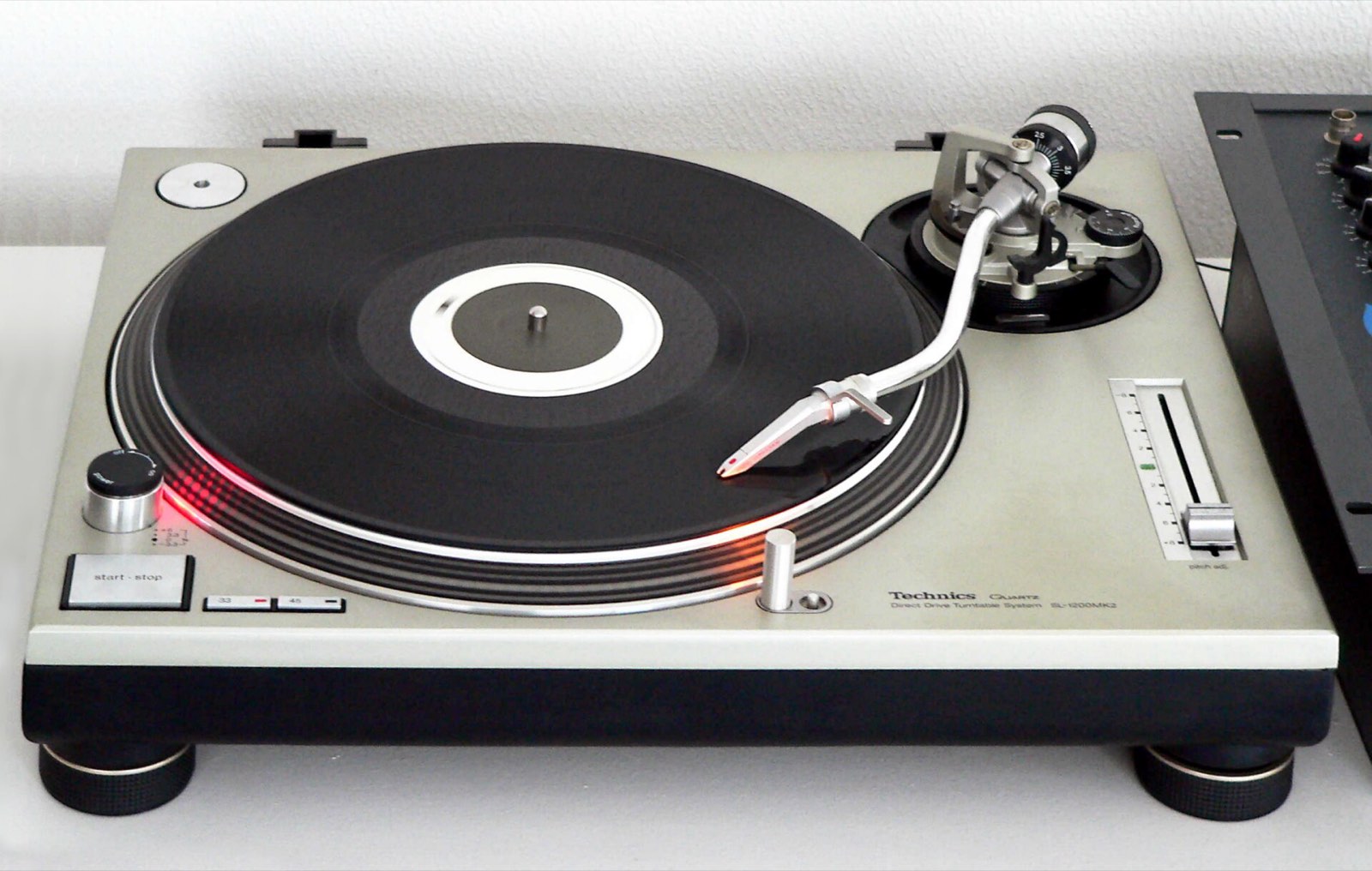
Fig. 4 | Technics SL-1200MK2 turntable. This model was widely used by DJs and beatmakers in the nineties.
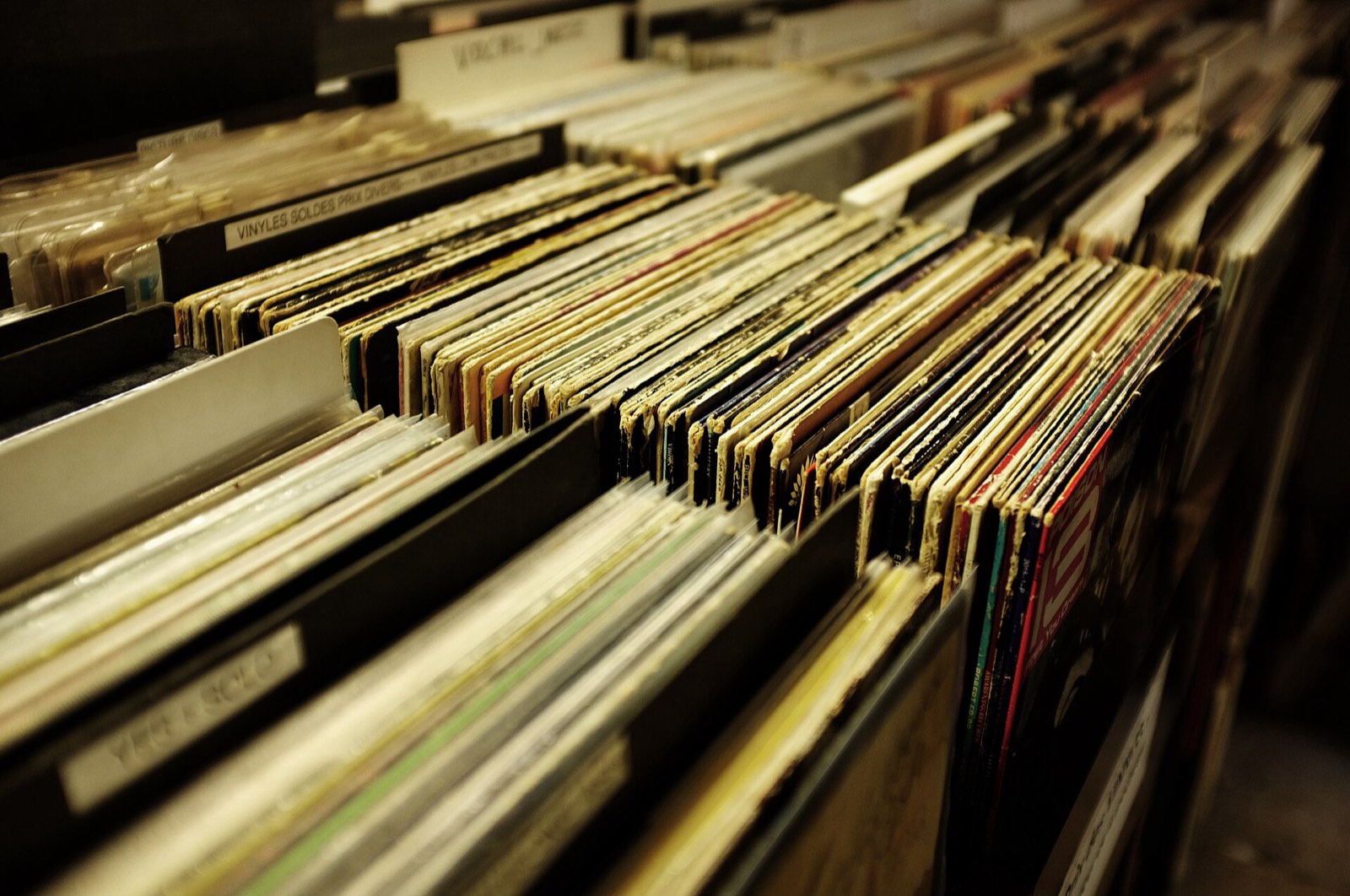
Fig. 5 | Second-hand vinyl in a record store (Lyon, France, 2014). Once he found the passage he wanted, he would always go back to vinyl to sample it.
In October 2003, the Japanese music production magazine Sound & Recording ran a studio visit with him. It was his only appearance in that magazine, and he gave few interviews over the course of his life.
In the interview he talked about his equipment: for samplers he started with an AKAI S3000, quickly switched to an S950, and later used an E-MU E5000 Ultra throughout; drum sounds were processed in an MPC2000XL. There was software that could automatically chop material into small pieces, he said, but wherever he wanted to preserve the original flavor of the material, he would always chop manually.
He also talked about the day he first turned a phrase into a loop, saying roughly that he had listened only to that one passage all day.
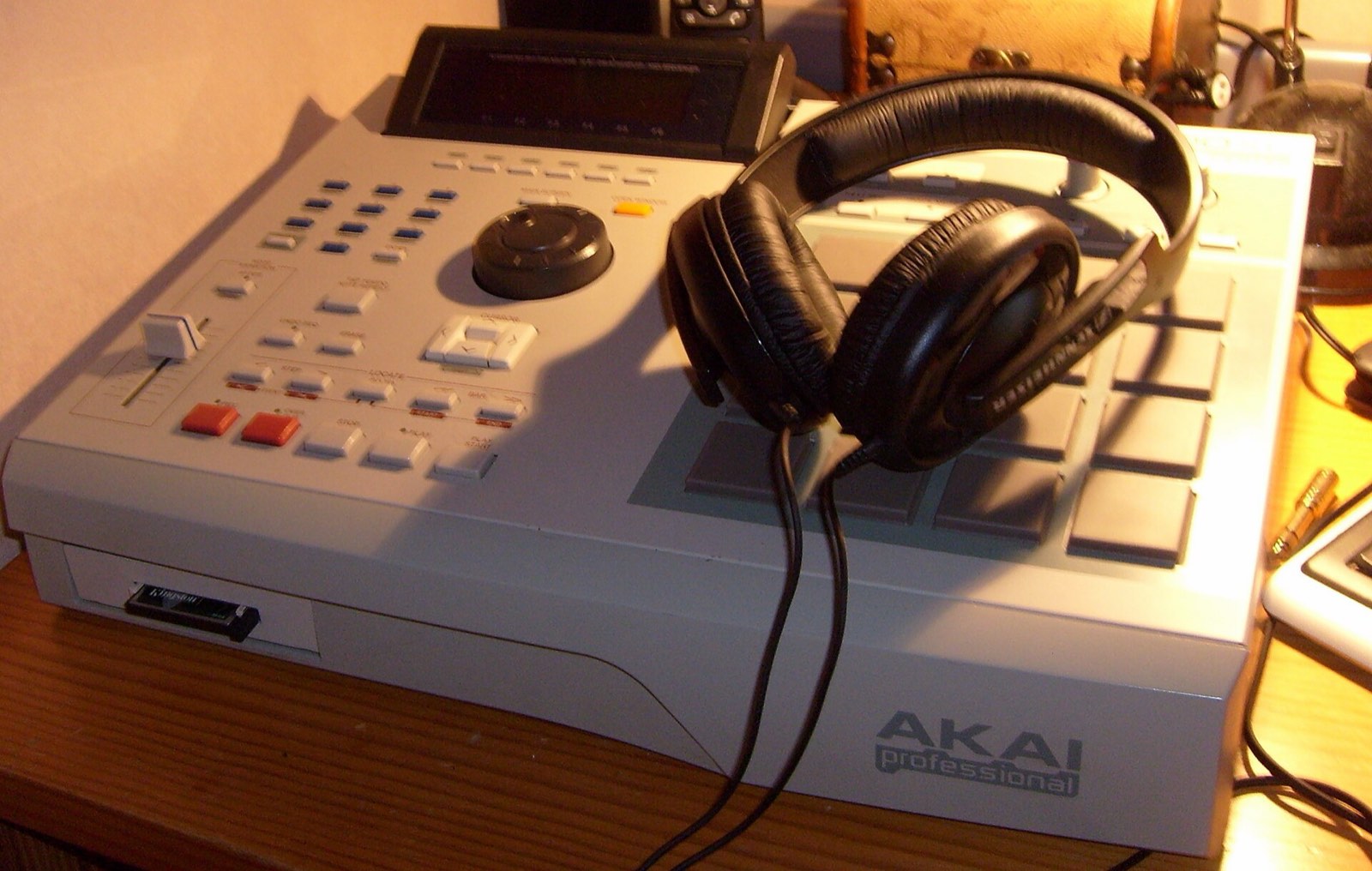
Fig. 6 | Akai MPC2000XL. In his studio, drum sounds were processed in this machine.
"The best two bars" refers to exactly this. He made a habit of leaving a melodic phrase as it was and letting it come back again and again.
Hashimoto gave several examples: he made "Reflection Eternal" from Japanese pianist Noriko Kose's "I Miss You"; when remixing "Latitude" for the American group Five Deez, he used a work by Italian ambient composer Gigi Masin. Years later, the Japanese hip-hop group Shitadama went on to use that same passage in "FLOATIN'."
IV. Inviting Strangers to Tokyo
I woke this morning and received a letter. It was sent by a certain person from Hongo, whom I do not know. ... This earnest, clear, and plain letter won my heart completely; almost all my thoughts are expressed in it.
— Masaoka Shiki, By the Sickbed, Six Feet
With beats in hand, he still needed people to sing. At that time, cross-border collaborations usually meant sending out the instrumental and waiting for the other party to record and send it back.
Jun Seba did not want to do it that way. In a 2003 interview he said, roughly, that he did not want to send instrumentals overseas and collaborate with an MC he had never met, even if it was expensive and arduous. Almost all of Hydeout's rap vocals were recorded by him inviting people into his private studio.
That is how American rapper Substantial came to work with him. According to a Japan Times report, Substantial stayed in Shibuya for a month and recorded about twenty-five songs with him. In 2001, Substantial's debut album To This Union a Sun Was Born was released on Hydeout.
Takeuchi witnessed him recording: he would stand next to the rapper the whole time offering suggestions, for example that the rhyme here was not tight enough. His English was not good, and he did not use a translator, yet in the end he always managed to leave the other person speechless.
Another collaborator was first contacted via an email. Around 2000, rapper Shing02, living in California, received an email asking if he wanted to make a twelve-inch together. Shing02 was born in Japan, grew up overseas, and raps in both English and Japanese. At the time, he didn't even know what country the sender was from.
Later, when Shing02 briefly returned to Japan, the two arranged to meet. Jun Seba specially drove out, and the two sat in the car, playing their own music for each other. Shing02 played his songs for him, and he barely reacted; he gave Shing02 an instrumental tape, and Shing02 thought it was cool, but that was all.
Two or three months later, Shing02 dug out that tape again in the US and suddenly felt a strong urge to write a song using one of the instrumental tracks. That track sampled "Minerva's Owl" by Japanese jazz pianist Aki Takase.
The trouble was that Jun Seba had already given it to Five Deez rapper Pase Rock. Shing02 knew Pase Rock, so he went straight to ask him, and Pase Rock agreed. When Jun Seba heard about it, he was surprised, and finally half-reluctantly agreed.
In 2001, the song was released, titled "Luv(sic)". In English, being very sick is described as "sick as a dog"; being lovesick is called lovesick. Shing02 wrote love as luv and added a "(sic)", a common annotation in quotations meaning "thus in the original". His explanation was roughly: this is a twisted kind of love, but please take it literally.
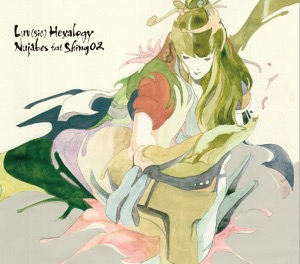
Shing02 said the song is a letter to the goddess of music. The front cover features a photo taken by his friend on Yakushima, and the back cover is a scan of the lyrics from his rhyming notebook.
The song later grew into a series, six parts in total, spanning over a decade.
V. Hip-Hop That Works as Background Music
After Jūbei resolved to build the tower, whether asleep or awake, his mind held only this one thing; while eating breakfast, his heart was gnawing on that tower; at night in dreams, his soul circled the nine rings at the top of the tower.
— Rohan Kōda, The Five-Story Pagoda
After making twelve-inches for a few years, Jun Seba began preparing his first album. The collaborator he sought was Masakazu Takeuchi, whom he had met through HARLEM.
Before the album was finished, the two had a fixed habit: driving around the Odaiba area by Tokyo Bay, listening to demos while cruising. If Takeuchi merely said "this one's good," he would press: "Please be more specific."
Takeuchi advised him, you're an artist, do as you like. His response was roughly: as the owner of Guinness, I've heard many new hip-hop records, and many old jazz and soul records, but you know better than I do what's popular in the market right now, so let's only put songs on the album that we're both 100% satisfied with.
Takeuchi laughed and said that experience was truly a "psychological scar."
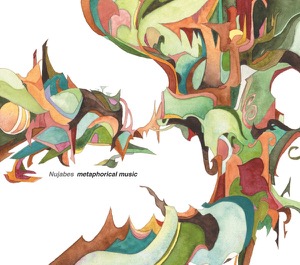
On August 21, 2003, Metaphorical Music was released. The label was Dimid Recordings, which had grown out of HARLEM. Why not release it on his own Hydeout? He explained the reason to Takeuchi, roughly: one person being both artist and record label boss definitely won't do a good job.
The promotional method was also his idea. He wanted Takeuchi to take flyers and listening samples not only to record stores but also to cafes and hair salons. He wanted to make hip-hop that could be listened to as background music at home, without listeners needing to nod along to the beat.
Takeuchi was half-doubtful at the time, but he was certain it would sell. As a result, additional orders from Tower Records and HMV couldn't be supplied in time, and the record store manager even scolded Takeuchi about it. Many women also came to listen; Takeuchi said that was the first time a hip-hop record had gotten such a response.
Two years later, Modal Soul sounded different.
This change was related to saxophonist Hiroto Uyama. Uyama also plays keyboards and had been involved in Hydeout recordings since the first album. Shing02 said Uyama can perform live and has solid music theory; after he joined, Nujabes's sound turned 180 degrees.
Jun Seba himself also began practicing piano and flute. Takeuchi remembered him saying he wanted to form "his own orchestra," partly because relying solely on sampling would cause copyright problems in the future.
Another change came from the dance floor. In those years, four-on-the-floor dance music was popular; he greatly respected KZA, a member of the Japanese DJ duo Force of Nature, regarded him as a fellow record collector, and wanted to make tracks that could explode on the dance floor.
On November 11, 2005, Modal Soul was released by Takeuchi's Libyus Music.
He often told Takeuchi that he wanted to turn hip-hop into real music, on the same level as jazz, soul, rock, and pop.
After that, Hydeout released two compilations he compiled: 2nd Collection in 2007 and Modal Soul Classics in 2008. In 2008, the label also released Hiroto Uyama's debut album a son of the sun and kenmochi hidefumi's Falliccia.
For these covers, he enlisted graphic designer Jiro Fujita. Fujita's most famous work before this was the cover he did for musician Calm. Fujita later recalled that Seba said something to the effect of: he considered Calm his biggest rival, so he had hesitated about hiring the person who did Calm's covers, but in the end felt it was appropriate.
6. Beats Heard Across an Ocean
But there were far more people who liked my poems than I had initially expected, and they were incredibly enthusiastic. The small batch of poetry collections first released to the market was passed from hand to hand, fought over. Secondhand bookstores sold it to others at outrageous prices. Several letters from strangers arrived at my place.
— Sakutaro Hagiwara, "Preface to the Reprint of Howling at the Moon"
Later, an anime brought his music to the whole world.
In 2004, Fuji TV's late-night slot began airing Samurai Champloo, an anime that paired Edo-period samurai stories with hip-hop music. Director Shinichiro Watanabe had previously directed Cowboy Bebop. He had been introduced to music by YMO in middle school, and from the 1990s through the 2000s, he went to record stores in Udagawacho every week to dig for new records.
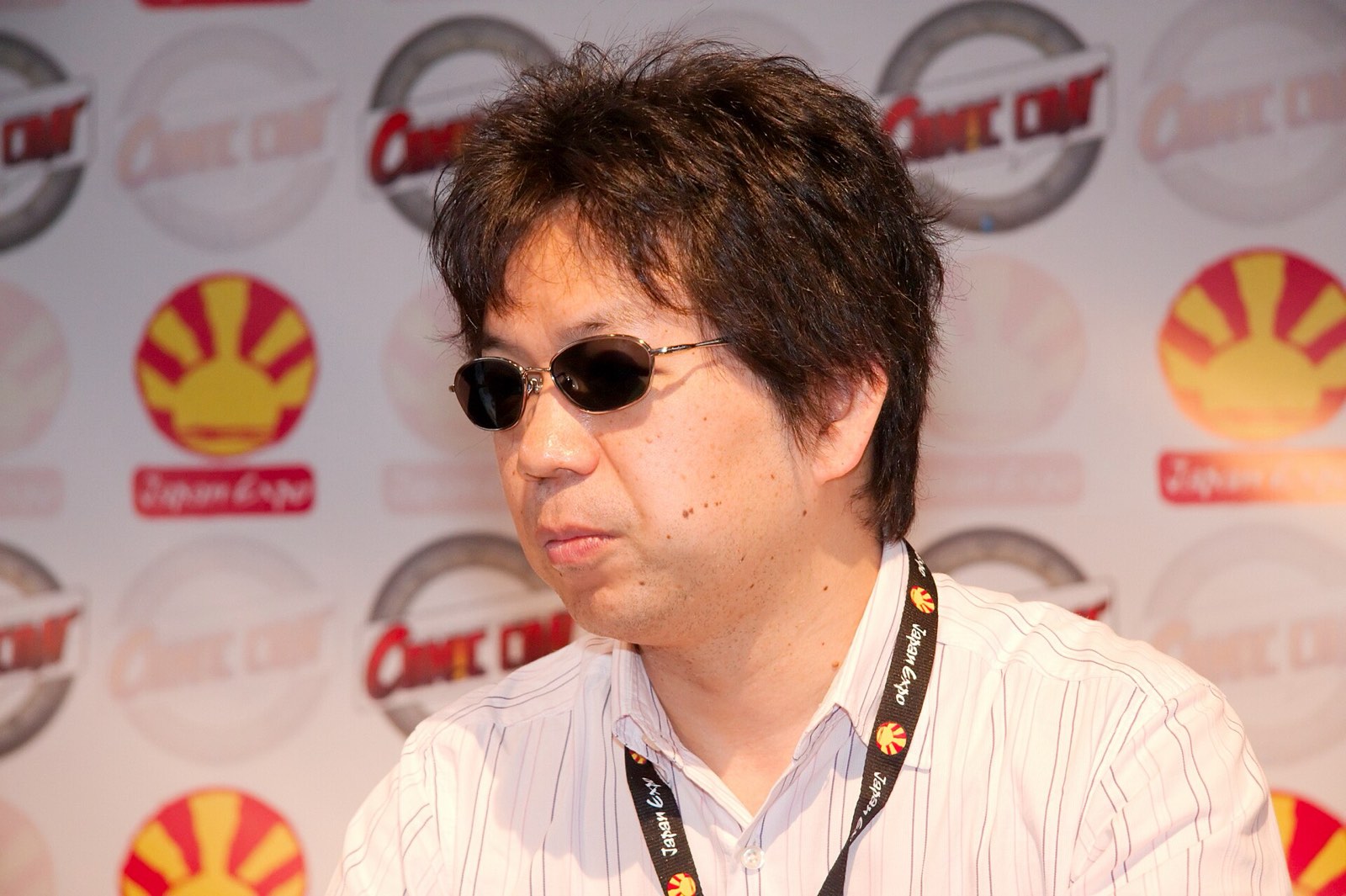
Figure 7 | Anime director Shinichiro Watanabe at a signing event at Japan Expo in Paris, 2009. He chose the music team for Samurai Champloo.
Shinichiro Watanabe had already lined up Tsutchie, producer of the Japanese group Shakkazombie. Jazz rap was just emerging in those years, and from it he picked his two favorites: Nujabes and American producer Fat Jon of Five Deez. To keep the soundtrack from being too monotonous, he also added Force of Nature.
He said he had listened to all of Nujabes's early twelve-inches, and that distinctive lyricism immediately conjured images in his mind. He wanted the music and visuals to compete on a fifty-fifty basis, and sometimes letting the music steal the scene was fine too.
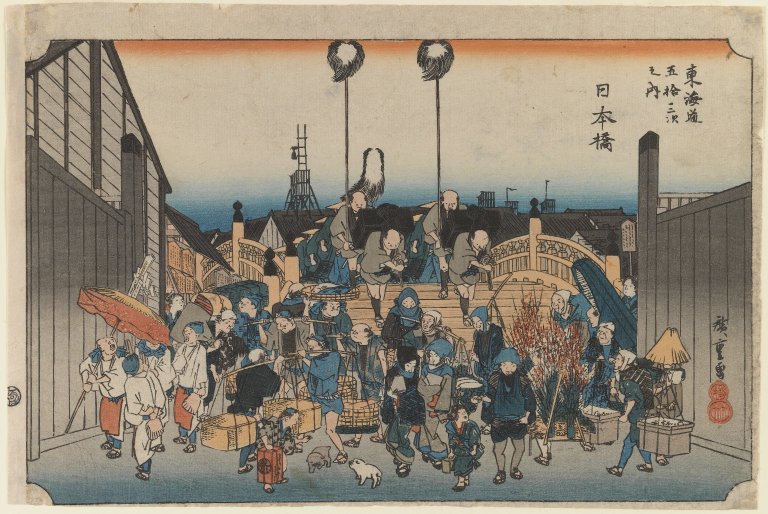
Figure 8 | Nihonbashi from Hiroshige Utagawa's The Fifty-three Stations of the Tōkaidō. Samurai Champloo tells the journey of three people in the Edo period, set to modern beats.
Jun Seba also proactively offered to do the theme songs. He composed the opening theme "battlecry," with lyrics and rap by Shing02. The ending theme "Shiki no Uta" was sung by MINMI, with an instrumental based on a track from his album Metaphorical Music.
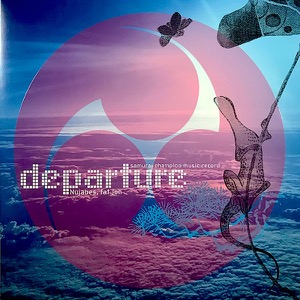
On June 23, 2004, the soundtrack album departure was released, split between him and Fat Jon. His tracks included "the space between two world," "aruarian dance," "kujaku," "mystline," and "1st. samurai." Among them, "aruarian dance" was later endlessly reshared online and became the first track through which many people discovered him. That same year, Samurai Champloo released a total of four soundtrack albums.
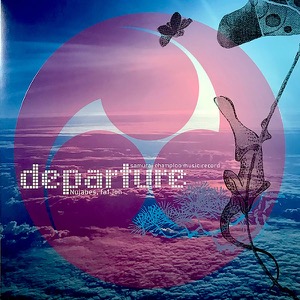
According to Japanese Wikipedia, in March of that year he also served as music director for the Junya Watanabe・Comme des Garçons show at Paris Fashion Week.
The anime's reception in Japan was not good. Shinichiro Watanabe recalled that at the time, anime viewers were otaku and hip-hop listeners were street "delinquents," and neither side bought in.
About a year later, Adult Swim, the late-night block of the American Cartoon Network, began airing Samurai Champloo, followed by Europe, South America, and Oceania. When Shinichiro Watanabe attended events overseas, large, intimidating-looking people would often come to him for autographs; when asked which work they liked, the answer was always Samurai Champloo.
Producer ninjoi., who grew up in Queens, New York, recalled that around 2008, when he was about twelve, he had to finish watching Samurai Champloo on Adult Swim every weekend night before going to sleep, and later he found Nujabes online by following the trail.
7. February 26, 2010
How wonderful, to have work worth doing with all my heart; / I want to finish it, and then die.
— Takuboku Ishikawa, A Handful of Sand
After Samurai Champloo became a hit overseas, he moved to Kamakura by the sea and built a recording studio in his basement, about an hour and a half from his original Tokyo studio. His third album was slowly made there.

Figure 9 | Yuigahama Coast in Kamakura. He lived in Kamakura in his later years, with his studio in his own basement.
Late at night on February 26, 2010, after driving off the Shuto Expressway, he was in a car accident in Minato, Tokyo, and was taken to a hospital in Shibuya Ward, where he could not be saved. He had just passed his thirty-sixth birthday.
The news was made public only three weeks later. On March 18, Hydeout announced his death.
He is buried in Tama Cemetery in Fuchu, Tokyo, in the Yamada family grave; the stone monument beside the grave bearing his name reads "NUJABES・瀬葉淳."
When the cherry blossoms were still blooming that year, Toru Hashimoto attended his burial and met his father for the first time. The old man told him that every summer vacation, he would take Jun and his brothers to Kumomi on the west coast of the Izu Peninsula.
Kumomi is read as Kumomi in Japanese. The fourth track on Metaphorical Music is called "Kumomi." Toru Hashimoto said that this piece contains the first landscape in his heart.
Takeuchi Masakazu remembered another thing. He endured a lot of hardship when he was young and often said he was a weak person. The melodies he wanted to create were the kind that gently touch the heartstrings when people are suffering or sad.
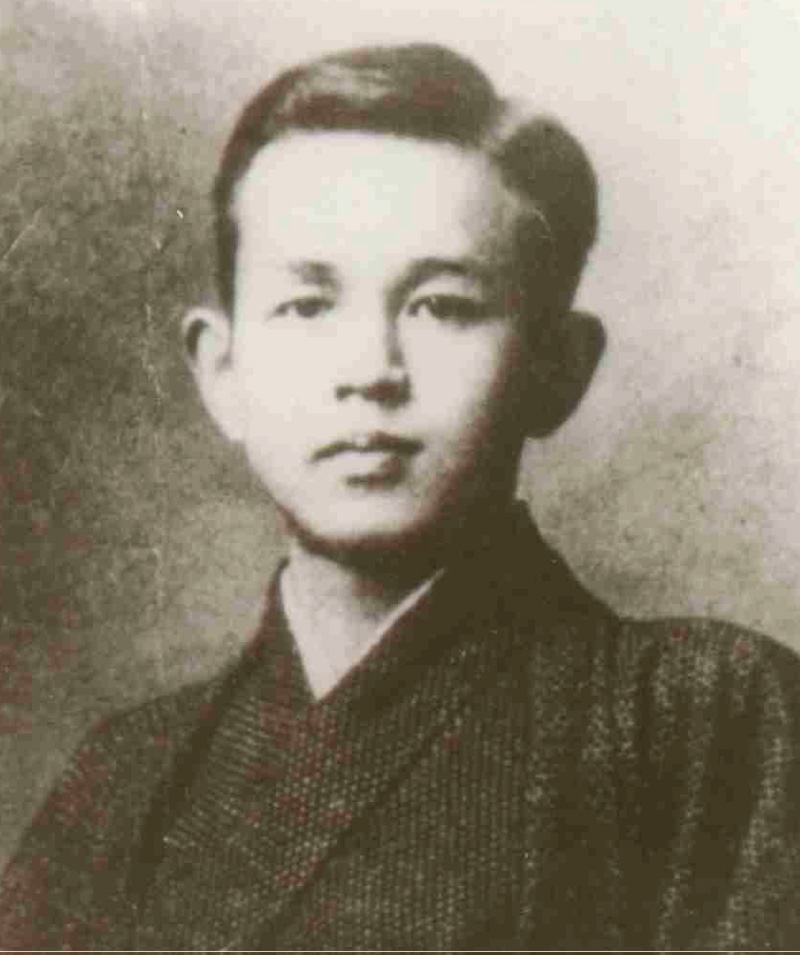
Fig. 10 | Ishikawa Takuboku, photographed in 1908. The two tanka at the beginning of this chapter come from his collection A Handful of Sand.
The things he did not finish, his friends carried on.
The third album, Spiritual State, was completed by his collaborators and released on December 3, 2011. Participants included Pase Rock, Substantial, Cise Starr, and Hiroto Uyama; the final track, "Island," also featured pianist Haruka Nakamura for the first time.
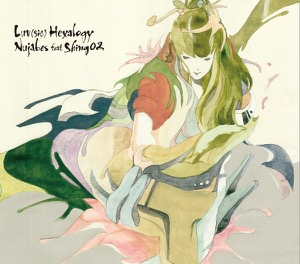
The Luv(sic) series did not stop either. After his death, Shing02 finished recording parts four through six in that basement in Kamakura. Part four was released in 2011, and part five in 2012.
The instrumental for the final part was found on his phone. Shing02 recalled that Hydeout staff played this instrumental for him at Tribe, and the file name had already been chosen: Grand Finale. On February 26, 2013, the third anniversary of his death, Luv(sic) Grand Finale was released online.
On August 14 and 15, 2010, the memorial event "Nujabes Eternal Soul" was held for two days at UNIT in Daikanyama, Tokyo. In September, at the outdoor music festival METAMORPHOSE, musicians who had connections with him formed an ad hoc band and took the stage under the name "spiritual state ensemble with nujabes spirit."
8. The Records Are Still Spinning
The sun and moon are travelers of a hundred generations; the years that come and go are travelers too.
— Matsuo Basho, Oku no Hosomichi
After his death, more and more people listened to him.
In the latter half of the 2010s, a kind of 24-hour nonstop livestream appeared online: an anime girl sitting by the window doing homework, with slow hip-hop beats carrying vinyl crackle playing in the background. This music came to be called lo-fi hip hop.
In 2018, in Spotify's year-end statistics, lo-fi beats were the second fastest-growing genre. That same year, Spotify Japan announced the Japanese artists with the most overseas streams: first was ONE OK ROCK, second was RADWIMPS, and third was Nujabes.
Many people regard Samurai Champloo and Nujabes as one of the origins of lo-fi hip hop. Shinichiro Watanabe did not hear about this until 2019, from a radio program. He said it felt like a fifteen-year-old illegitimate child had suddenly appeared, and his first reaction was: "Is this really my child?"

Fig. 11 | Shibuya Crossing at night (photographed in 2024). He opened his store, bought records, and made music, all in this area.
Shing02 has held Nujabes memorial tours in the United States in recent years. He said his band would take the initiative to cover Nujabes's songs, and these few songs have pretty much become the warm-up; audiences in their twenties react as soon as they hear them. Among lo-fi hip hop listeners, Nujabes has been almost "deified."
On the evening of February 26, 2020, the tenth anniversary of his death, the six large screens at Shibuya Crossing simultaneously played a three-minute memorial video, Pray for Nujabes.
Starting February 26, 2021, Hydeout began gradually releasing onto digital platforms the records that had previously been available only on vinyl. In January 2024, the four soundtrack albums of Samurai Champloo also became available on streaming.
On December 30, 2023, to commemorate the fiftieth anniversary of his birth, the event "flows" was held for the first time in Ebisu, Tokyo, and a show has taken place at the end of every year since.
His music continues to be released: in 2014, Toru Hashimoto compiled two Free Soul Nujabes collections; in 2015, the six Luv(sic) parts were combined into Luv(sic) Hexalogy, with the second disc containing all the instrumentals; in 2021, Haruka Nakamura released Nujabes Pray Reflections, new work inspired by his melodies; and in 2024, Hydeout pressed the 2004 Other Side of Phase onto twelve-inch vinyl.
Back to that DJ bar in 1994. The young man who was always asking "what's this song?" would later have the whole world asking the same question.
Album Recommendations: Listening Outward from Two Bars
The nine albums below: three are by Jun Seba himself, one is from his associate Hiroto Uyama, three are by American producers and jazz rap artists who influenced him, and two are, respectively, the downtempo electronic music that rose after his death and Japanese hip-hop from his own era.
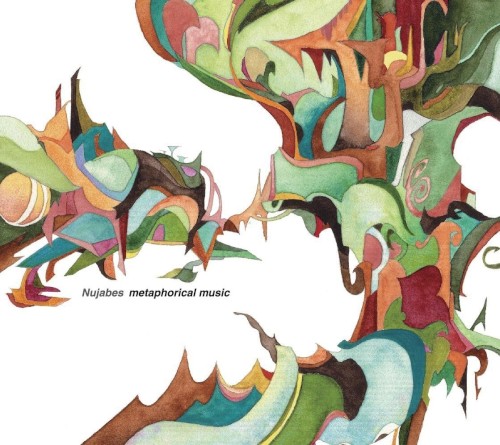
His first album, released in August 2003 by Dimid Recordings. Listening to 'Kumomi,' 'The Final View,' 'Lady Brown,' and 'Blessing It -remix-,' you can hear his approach of recognizing a melody and then letting it return again and again.
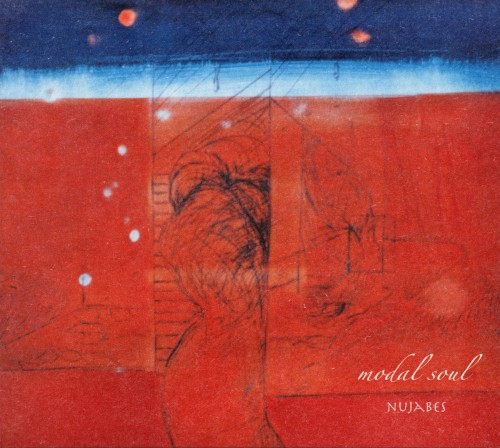
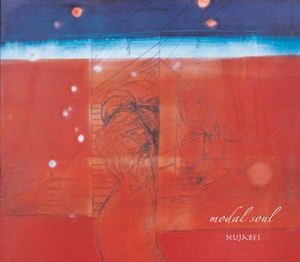
The weight of live performance is noticeably heavier on this album, released in November 2005 by Libyus Music. Recommended: 'Feather,' 'Reflection Eternal,' 'Luv(sic) Part 3,' and 'Ordinary Joe,' which features soul singer Terry Callier.
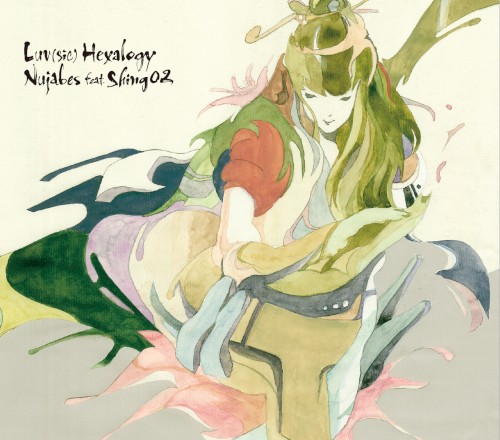
A compilation of all six 'Luv(sic)' parts, released in 2015, with the second disc containing all instrumentals. Parts four onward were completed after his death; this is the easiest way to hear this decade-long collaboration in one sitting.

J Dilla was a beatmaker from Detroit, born on the same day as him (February 7, 1974). This album was released on Dilla's 32nd birthday, and he passed away from illness three days later. The intentionally unquantized, loose feel of the beats later became a common language for lo-fi beats.
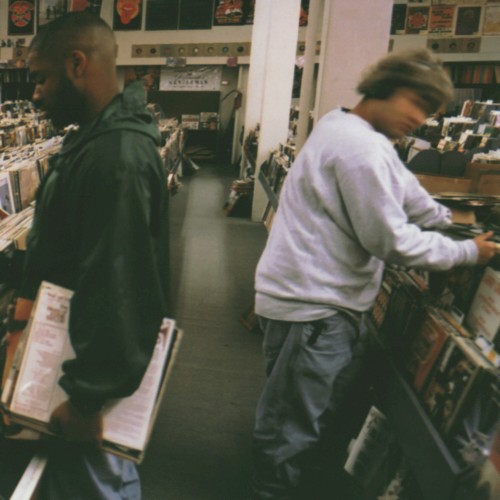
An instrumental hip-hop album made almost entirely from samples. Listening to it and then to Nujabes, you can hear the difference between two approaches: DJ Shadow chops up source material and reassembles it, while Nujabes lets two bars loop as they are.
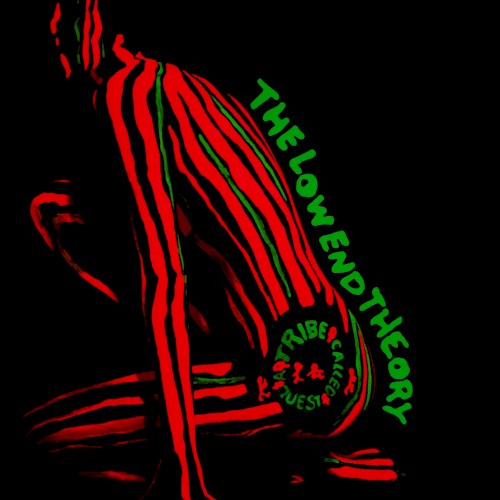
One of the origins of jazz rap, released in 1991 by Jive. Jazz bassist Ron Carter plays double bass on 'Verses from the Abstract.' In 2022 it was added to the U.S. Library of Congress's National Recording Registry.
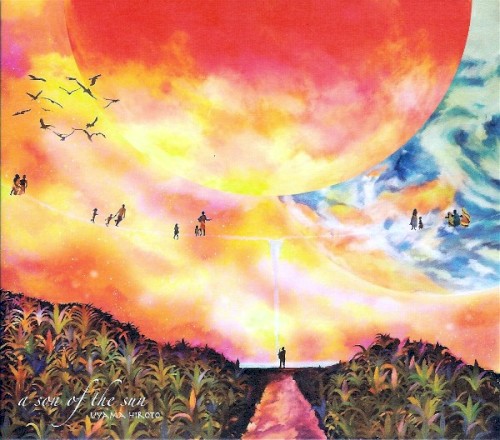
Hiroto Uyama's debut album, released in 2008 by Hydeout. Nujabes served as supervisor, mastered it, and co-mixed it; 'Ribbon in the Sea' was produced by the two together.
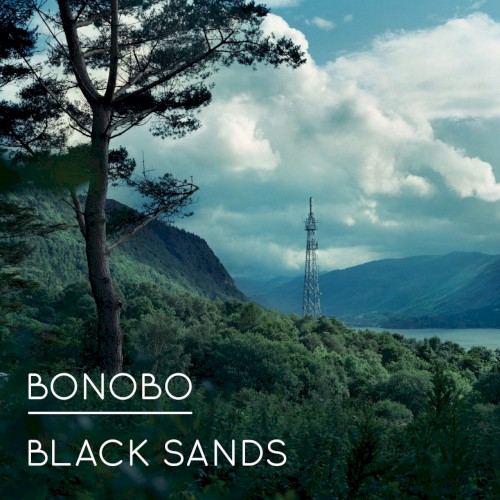
A downtempo electronic album by British producer Bonobo, released in 2010 by Ninja Tune, with the Japanese edition released the same year by Beat Records. If you want to hear where this thread extends toward instrumental music and arrangement, this is a good entry point.
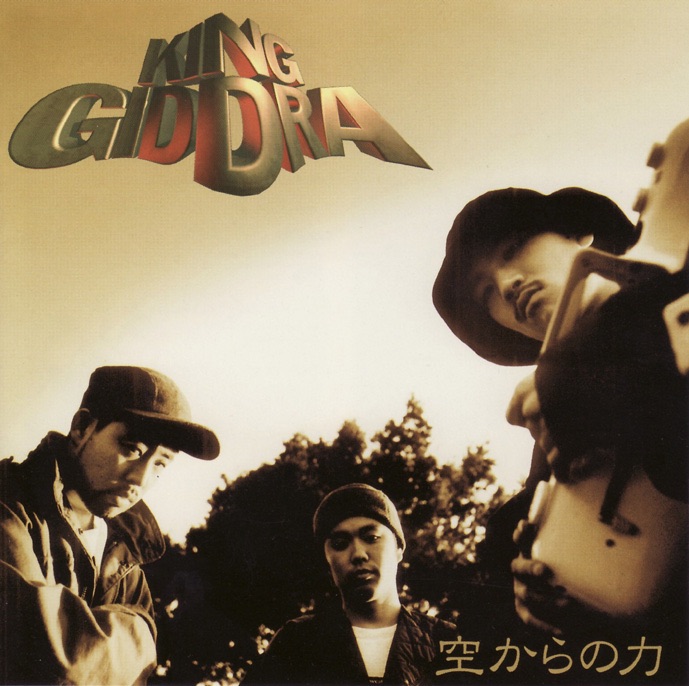
The same year he opened his store, another side of Japanese hip-hop. This album was made by K DUB SHINE, ZEEBRA, and DJ OASIS, released in December 1995 by P-VINE, and is an entry point for understanding Japanese rap of that era.
If you're only going to pick one to start with, begin with 《modal soul》—sampling and live instrumentation each make up half of this album. After listening, go back to 《metaphorical music》, and you can hear the craft he built up during the twelve-inch era. When listening to J Dilla's 《Donuts》, pay attention to that intentional misalignment in the beats. When listening to DJ Shadow and A Tribe Called Quest, you can focus on where the source material comes from. Hiroshi Uyama and Bonobo will lead your ears toward broader arrangements, while KING GIDDRA reminds us that nineties Japanese hip-hop already had its own story to tell.
If you want to keep listening along with these records, you can open our music genre map. Near the jazz rap node, you can find lo-fi hip hop and Japanese hip-hop, and some genres even come with essential-listening records.
References
- ARBAN "Think of Nujabes" Part 1 (2020-05-08, Daimae interviewing Tetsu Hashimoto and Masakazu Takeuchi): the renaming of "SUBURBIA SUITE," the record store, HARLEM, the production and promotion of the two albums, "the best two bars." Link
- ARBAN "Think of Nujabes" Part 2 (2020-05-08, Shinichiro Watanabe, Tetsu Hashimoto, Masakazu Takeuchi, ninjoi., etc.): the choice of composer for Samurai Champloo, vinyl sampling, Spotify's 2018 data, Tama Cemetery and Kumomi, "the weak." Link
- ARBAN "Think of Nujabes" Part 3 (2020-06-05, Shing02 interview, 3 pages total): how the two met, the origin of "Luv(sic)," the title and cover, the Kamakura studio, "Grand Finale." Link
- Sound & Recording, October 2003 issue, "People & Tools" (re-released online in May 2025): studio equipment, manually chopping samples, making a loop for the first time, the reason he didn't send instrumental tracks, Tribe. Link
- The Japan Times, "Nujabes' friends remember soulful hip-hop producer" (2015-02-24): Guinness Records, L-Universe, Substantial's month in Shibuya. Link
- Japanese Wikipedia, "Nujabes": birthplace, store location, Junya Watanabe fashion show, epitaph, memorial performances. Link
- English Wikipedia, "Nujabes": Kamakura and the basement studio, "Spiritual State," the continuation of "Luv(sic)." Link
- rockinon.com, "nujabes, passed away in February this year in a traffic accident" (2010-03-18): news of his death. Link
- "Pray for Nujabes" creator's notes (2020): a phone call with his mother. Link
- KAI-YOU (2020-02-27): "Pray for Nujabes" at the Shibuya crossing. Link
- Spotify Japan press release (PR TIMES, 2018-12-04): the Japanese artist with the most overseas plays in 2018. Link
- MION "Jiro Fujita" interview chapter 2 (2025): Jiro Fujita recalls working with Nujabes on cover art. Link
- JOYSOUND music news (Natalie): on February 26, 2021, Hydeout's vinyl audio began digital distribution. Link
- Denfami Nico Gamer (2024-01-08): the Samurai Champloo soundtrack albums became available on streaming. Link
- Time Out Tokyo: "flows -An Introduction-" on December 30, 2023. Link
- Discogs, MusicBrainz: release dates, catalog numbers and labels of singles and albums ("Ain't No Mystery" HOPRO-001, "Peoples Don't Stray" HOPRO-002, "Metaphorical Music" DMDCD-0008, "Modal Soul" LMCD-009, etc.). Discogs · MusicBrainz
- Library of Congress: the 2022 selections for the National Recording Registry. Link
- Cover Art Archive: original files of the recommended album covers; see the image credits at the end of the article.
- Aozora Bunko: the original texts of all literary quotations in this article; see the next section. Link
Quotation Source and Original Text
- Motojirō Kajii, Lemon (new character forms, first published 1925):
I went over to the picture-book shelf. Just taking out the heavy art albums always requires more strength! I thought. But I tried pulling them out one by one and opening them, yet the urge to pore over them in detail did not well up further.
Text · Work page - Chūya Nakahara, "Summer Night in the City" from Song of the Goat (new character forms, old kana usage, published 1934):
The moon in the sky like a medal, / buildings at the street corner like an organ, / men weary of play go home singing.
Text · Work page - Takuboku Ishikawa, Chapter 1 "Songs I Love" from A Handful of Sand (new character forms, old kana usage, published 1910):
I work, / I work, yet my life does not become easier; / I stare at my hands.
Text · Work page - Ryūnosuke Akutagawa, "Writers" from Words of a Dwarf (new character forms, new kana usage, 1923–1927):
Every genius from ancient times hangs his hat on a nail on the wall beyond the reach of us ordinary people. Of course, there was no lack of stepping stools. / But such stepping stools are lying around in every secondhand shop.
Text · Work page - Shiki Masaoka, Section 42 of Six Feet by the Sickbed (new character forms, old kana usage, serialized 1902):
When I got up this morning, I received a letter. It came from a certain person in Hongō, someone I do not know. ... This kind and yet clear and plain letter greatly captured my heart, and my thoughts are almost entirely contained in this letter.
Text · Work page - Sakutarō Hagiwara, "Preface to the Second Edition" from Barking at the Moon (new character forms, old kana usage, preface 1922):
But the lovers of my poetry were far more numerous and even more enthusiastic than I had initially expected. The few poetry collections first put on the market were passed from hand to hand and even fought over. Secondhand bookshops sold them to everyone at outrageous prices. ... Letters came to me from countless unknown people.
Text · Work page - Takuboku Ishikawa, Chapter 1 "Songs I Love" from A Handful of Sand (new character forms, old kana usage, published 1910):
If only there were work / that I could do with a glad heart— / I think I would finish it and then die.
Text · Work page - Matsuo Bashō, opening of Narrow Road to the Deep North (annotated by Shōichirō Sugiura; original has no punctuation marks):
The days and months are travelers of a hundred generations, and the years that come and go are also travelers.
Text · Work page - Rohan Kōda, Part 23 of The Five-Story Pagoda (new character forms, new kana usage, first published 1891–1892). The original is one long sentence; the beginning is quoted here:
Once Jūbei had finally settled on doing the construction of the five-story pagoda, he was absorbed in it waking or sleeping: even when eating his morning meal his mind was gnawing on the pagoda, and even in his dreams at night his soul circled the top of the nine-ring spire; still more, once at work he forgot entirely that he had a wife, forgot entirely that he had a child, did not call yesterday's self to mind nor think of tomorrow's self, but simply, when raising a single broadaxe to cut wood, gathered all the strength of his body into it, and when drawing a single plan poured wholehearted sincerity into it,
Text · Work page
Image Credits
The photography, aerial shots, and paintings for images 1–11 in the main text come from Wikimedia Commons; copyright for the cover and the recommended album covers belongs to the respective rights holders, and they are used here solely for introduction and commentary. Listed in order of appearance in the main text.
- Cover | Night in Udagawacho (photographed in 2023): Source · Original · Photo by Romain Guy, CC0.
- Fig. 1 | Nishi-Azabu (photographed in 2023): Source · Original · Photo by Dick Thomas Johnson, CC BY 2.0.
- Fig. 2 | Manhattan Records Shibuya (photographed in 2019): Source · Original · Photo by Mike Steele, CC BY 2.0.
- Fig. 3 | Aerial photo of the Shibuya Center-gai area in 1984: Source · Original · Aerial survey photo by the Ministry of Land, Infrastructure, Transport and Tourism of Japan (WebGIS2.0 ckt-84-3, C13A, #25), Wikimedia Commons marked as Attribution terms of use.
- Fig. 4 | Technics SL-1200MK2 turntable: Source · Original · 32bitmaschine (modified from the original), CC BY-SA 2.5.
- Fig. 5 | Second-hand vinyl in a record store, Lyon, France (photographed in 2014): Source · Original · Photo by Mr Cup / Fabien Barral, CC0.
- Fig. 6 | Akai MPC2000XL: Source · Original · Photo by user:withe, public domain.
- Fig. 7 | Shinichiro Watanabe, Japan Expo Paris 2009: Source · Original · Photo by Georges Seguin (Okki), CC BY-SA 3.0.
- Fig. 8 | Utagawa Hiroshige, The Fifty-three Stations of the Tōkaidō: Nihonbashi (c. 1833): Source · Original · Collection of the Brooklyn Museum, public domain.
- Fig. 9 | Yuigahama, Kamakura (photographed in 2025): Source · Original · Photo by Syced, CC0.
- Fig. 10 | Ishikawa Takuboku (photographed in 1908): Source · Original · Author unknown, public domain.
- Fig. 11 | Night view of Shibuya Crossing (photographed in 2024): Source · Original · Photo by Syced, CC0.
- Note: There is no freely usable public photo of Nujabes himself (Commons has only a signature SVG traced from the internet, with unreliable source, so it was not used); photos and videos of him during his lifetime are copyrighted by media, ARBAN, and photographers respectively; this article does not use unauthorized photos of him.
- Recommendation | metaphorical music: Cover Art Archive.
- Recommendation | modal soul: Cover Art Archive.
- Recommendation | Luv(sic) Hexalogy: Cover Art Archive.
- Recommendation | Donuts: Cover Art Archive.
- Recommendation | Endtroducing.....: Cover Art Archive.
- Recommendation | The Low End Theory: Cover Art Archive.
- Recommendation | a son of the sun: Cover Art Archive.
- Recommendation | Black Sands: Cover Art Archive.
- Recommendation | Power from the Sky: Apple Music cover (no image on Cover Art Archive) https://is1-ssl.mzstatic.com/image/thumb/Music124/v4/a7/6c/8a/a76c8a97-7d6b-3c07-0b5f-b9e1d39ac4dc/dj.hipiwqrr.jpg/1000x1000bb.jpg .


File the music you love onto your record shelf, and use CRATTO vinyl storage to organize your record collection, making your next search and re-listen more effortless. Go to the homepage to download CRATTO
#Nujabes #JunSeba #JazzHipHop #JazzHipHop #LoFiHipHop #SamuraiChamploo #Shibuya #VinylRecords