
In the 1950s, a new kind of music had American teenagers out of their seats, and some adults wanted it gone. This is the story of how rock and roll was born in a country divided by race, told through Chuck Berry, the man who wrote it for kids he was never allowed to sit beside. The idea that runs through it is simple: segregation needed places to draw its lines, and radio at night had none.
This article is the written version of our documentary. You can watch the film here:
A music that history leaves out
When we tell the history that changed the world, we name a shot in Sarajevo in 1914, the flash over Hiroshima in 1945, and a bus in Montgomery, Alabama, in December 1955, where a Black woman wouldn't give up her seat to a white man. We name novels such as Uncle Tom's Cabin, elections, trials and theories. We almost never say that a kind of music took part.
Music usually gets filed under entertainment: the Saturday dance, the car radio, a coin in the jukebox. Rock and roll is a case where that filing misses something. In the years it was born, America was fighting bitterly over a line.
The night Nat King Cole was attacked
On April 10, 1956, about four thousand people filled the Municipal Auditorium in Birmingham, Alabama. Every one of them was white. On stage was Nat King Cole, one of the gentlest voices in America. Not long into the show, several men ran up out of the audience and knocked him to the floor.
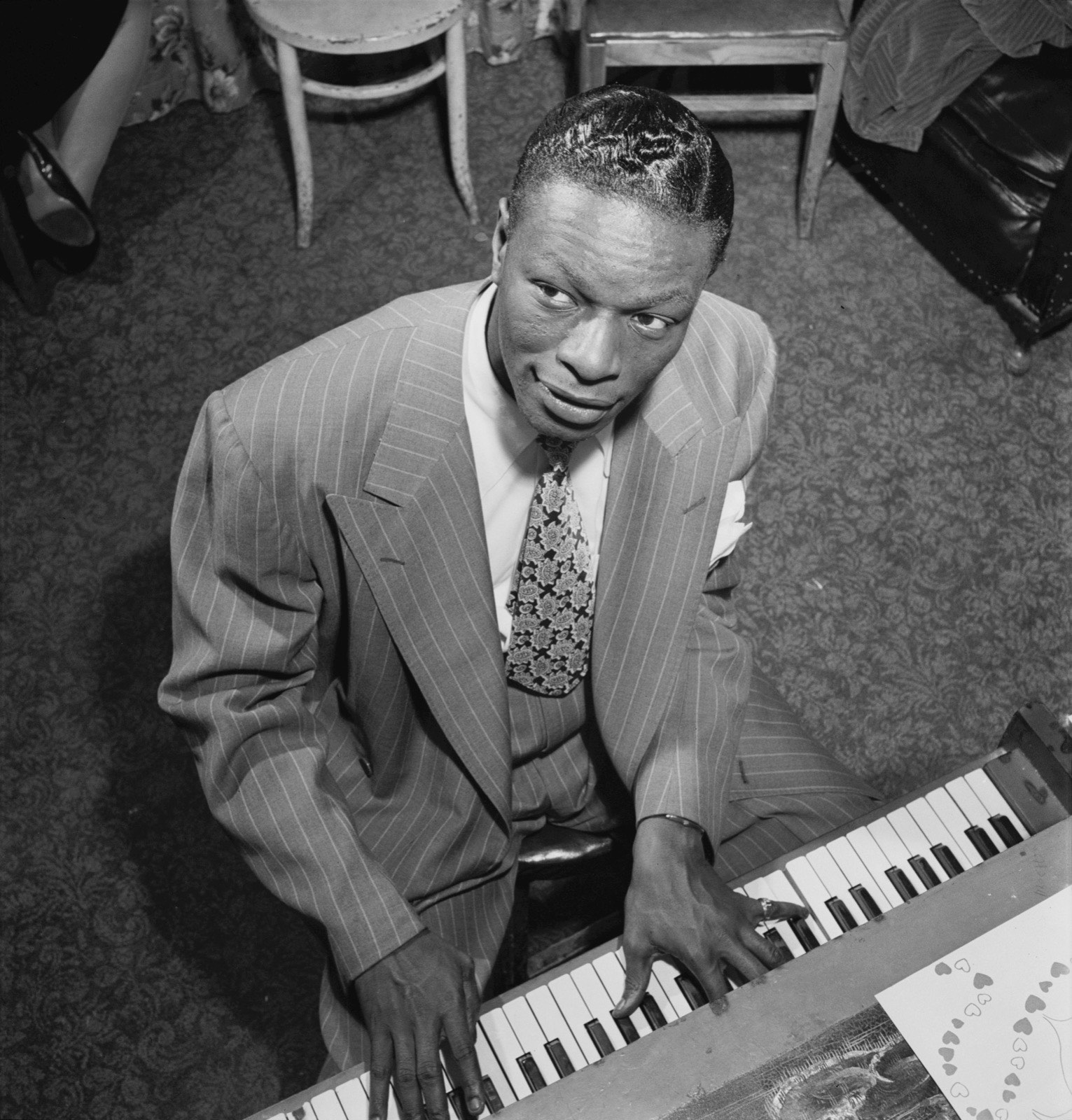
Image: Nat King Cole (William P. Gottlieb circa June 1947, Public domain) · Source

Birmingham's laws said white and Black audiences had to hear him at separate shows. That night, after a doctor had seen him, he went back out and sang the show for the Black audience.
The men who rushed the stage belonged to a segregationist group led by Asa Carter. That year Carter was campaigning against rock and roll records. According to United Press, he accused the civil rights movement of using "immoral" rock and roll records to "infiltrate" white teenagers in the South. Cole sang ballads, not rock and roll. To these men it made no difference: a Black voice had crossed the line and reached white children.
A country built out of lines
The American South of those years ran on lines. Separate schools. The front and the back of the bus. Two waiting rooms at the station and two drinking fountains on the street. At the movies, Black audiences came in by a side door and sat in the balcony.
Every one of these rules worked the same way. First you need a place. Then you draw a line across it: a seat, a door, a room, a floor. Segregation was built out of space.
And the line was starting to give. Millions of Black Americans had left Southern farms for jobs in Northern cities, and taken their music with them. In May 1954 the Supreme Court ruled that segregated public schools were unconstitutional, and the people who wanted to keep the line held on even tighter. White middle-class parents, raised in the Depression and tested by a world war, moved into new suburbs and wanted stability above all. Even there a line was drawn: Levittown, the most famous of the new suburbs, wouldn't sell its houses to Black families.
Teenagers and a radio of their own
Their children were becoming a new kind of person. The word "teenager" only caught on in the 1940s. After the war, more kids stayed in high school, spending their days with people their own age. In the late 1950s the sociologist James Coleman studied ten high schools in Illinois and found the students had built a society of their own, where popularity and what mattered were decided mostly by their peers, not by teachers and adults.
They had money, too. In 1959 Life magazine reckoned that teenagers and their parents spent about ten billion dollars a year on what teenagers wanted, more than General Motors sold in a year. In the fall of 1954 a pocket-sized transistor radio went on sale for $49.95. The living room now belonged to the television, and the radio moved into the kids' own rooms.
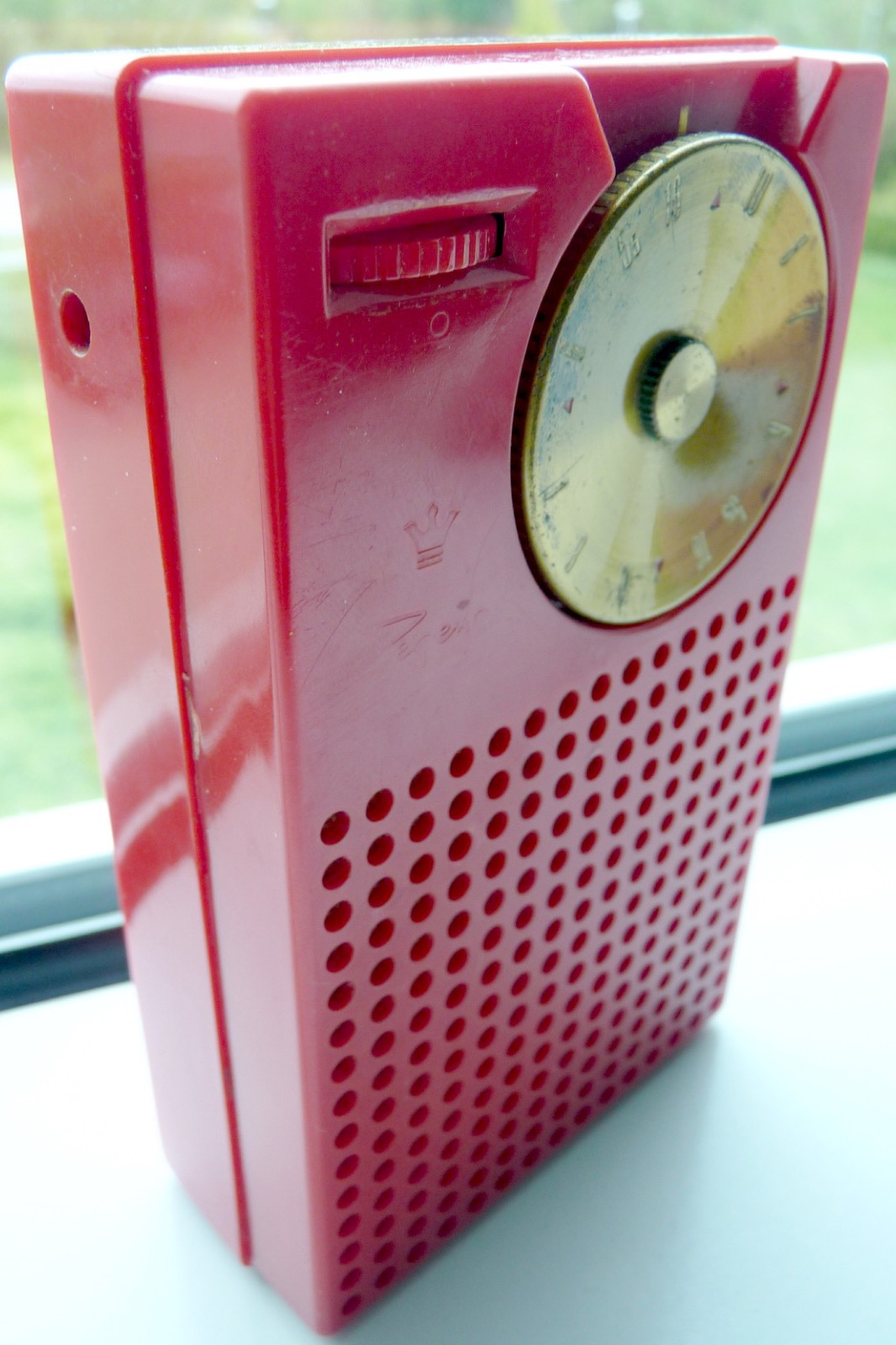
Image: Regency TR-1 (Cmglee, CC BY-SA 3.0) · Source

For the first time, a generation had a place where their parents couldn't hear. After sunset, WLAC in Nashville sent rhythm and blues across twenty-eight states on fifty thousand watts. A white teenager in a small Southern town could shut the bedroom door and turn the dial. His town wouldn't let him go to school with Black kids, ride beside them or eat at the same counter. On that frequency there was no front and back, no balcony and no side door. The air has no seats. For many of those listeners, it may have been the first room they ever entered that wasn't divided by race.
Chuck Berry, playing to both sides
One man walked on both sides of that invisible line. Chuck Berry was born in 1926 in The Ville, a Black neighborhood of segregated St. Louis with its own schools, churches and hospital, and plenty of respectable middle-class families.
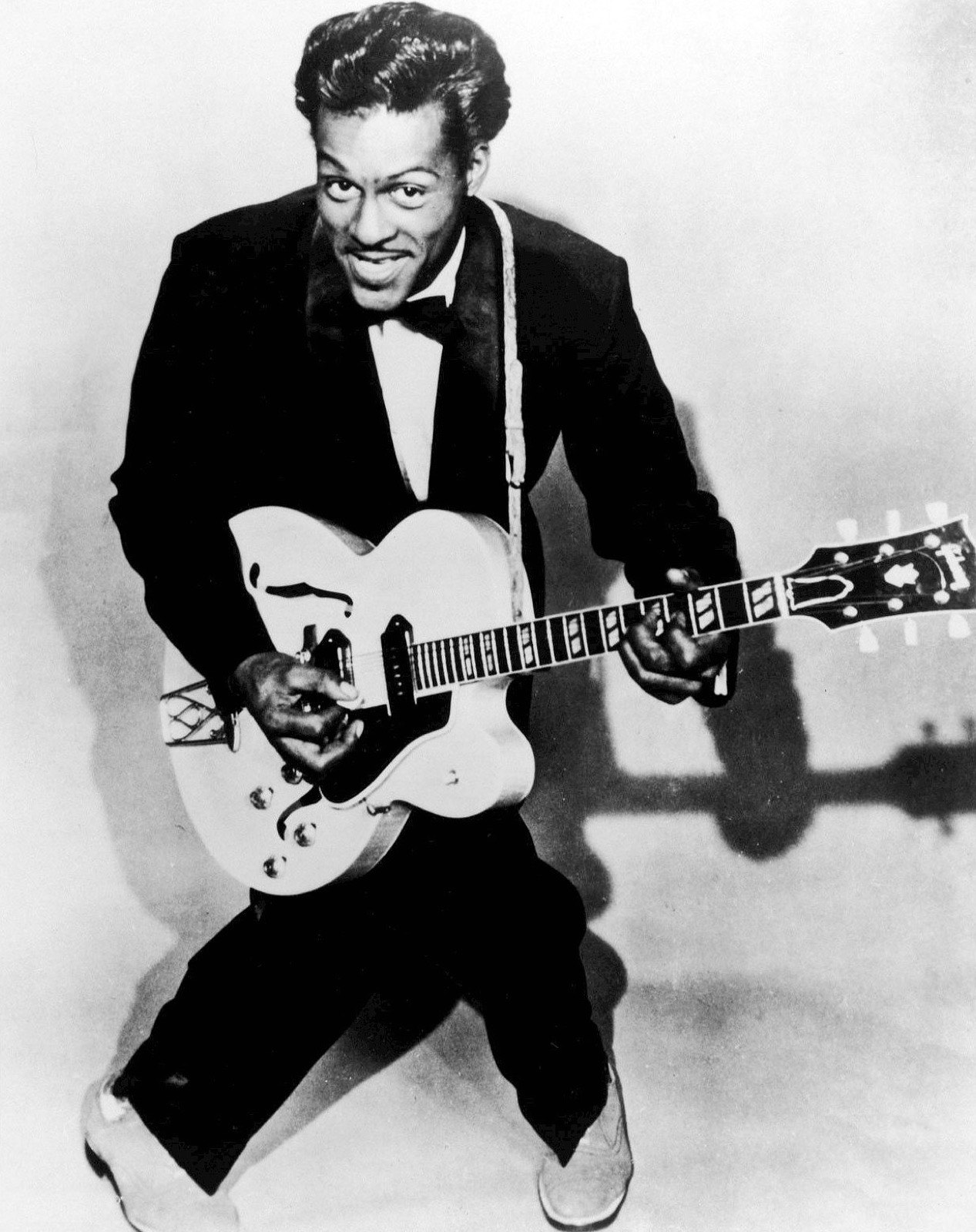
Image: Chuck Berry 1957 (Universal Attractions (management) Earliest legible date stamp is from 1971, copy indicates 1957, Public domain) · Source

At seventeen he took off in a car with friends and committed armed robbery in Kansas City. He served three years in a reformatory and walked out on his twenty-first birthday. Then came car plants, work as a janitor, marriage and children. Music was for the evenings.
In 1953 he joined pianist Johnnie Johnson's trio, with a regular gig at the Cosmopolitan Club in East St. Louis, and did something strange: in a Black club, he played white country songs. The Black crowd started requesting the "hillbilly" numbers, and then white people started showing up. The club began to live up to its name. Out in the city the line still held, but in that small room he had already played to both sides of it.
A new name, and a word erased
Around the same time, the record business discovered the kids behind closed doors with their radios. Records by Black artists had been sold in the trade as "race records" until 1949, when the name changed to "rhythm and blues." In 1951 a Cleveland DJ named Alan Freed gave the music another name: rock and roll. The words were old slang in Black music, but the new name had one big advantage. You couldn't hear a color in it, so a white kid could say out loud that he liked it.
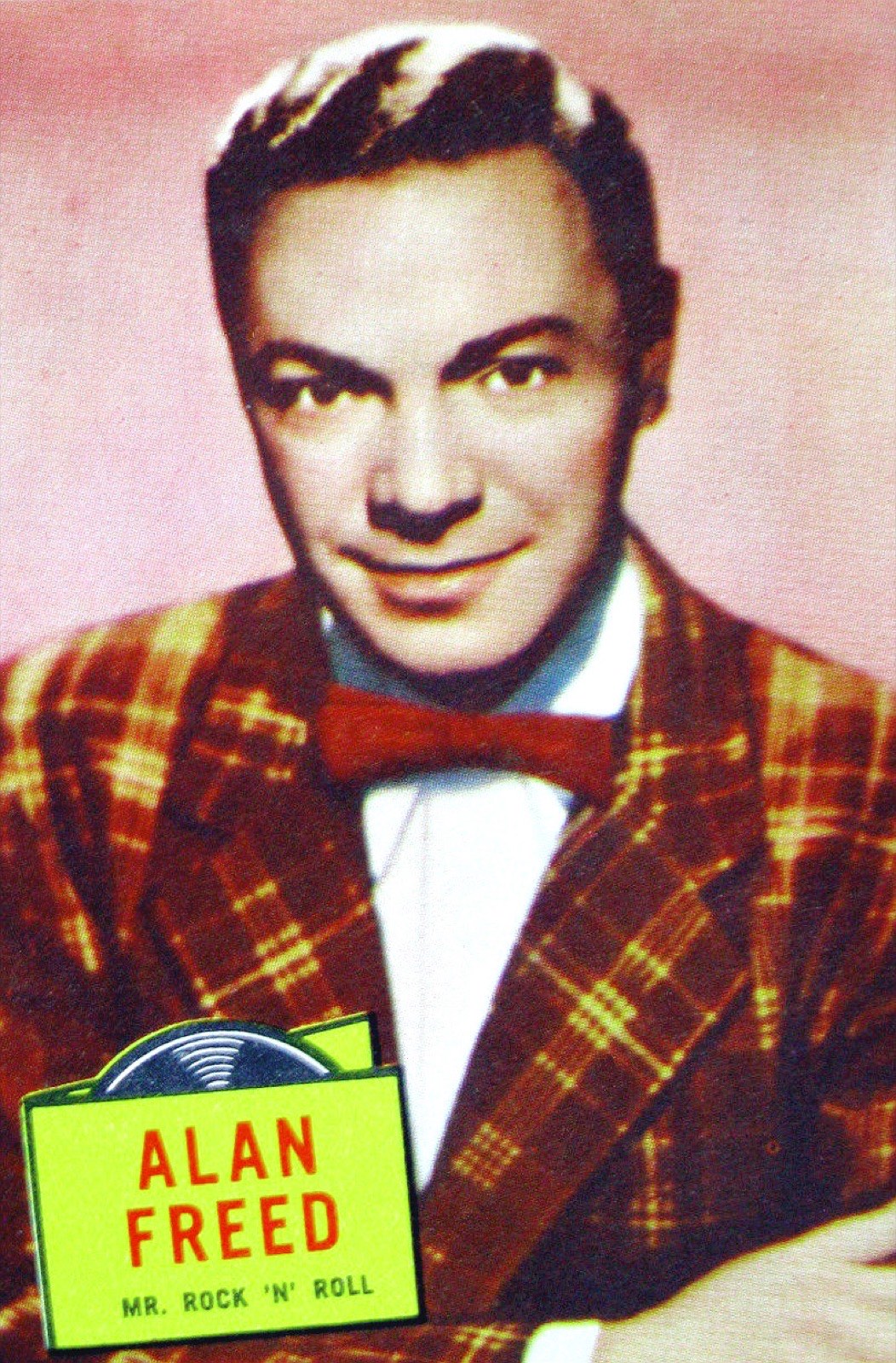
Image: Alan Freed 1957 (TGC-Topps Gum Cards 1957, Public domain) · Source

At the dance Freed put on in Cleveland in 1952, less than one percent of the crowd was white. In January 1955 he put on his first New York show. Most of the singers on stage were Black, and about seventy percent of the crowd was white. The music hadn't changed. The name had, and so had the people listening.
In May 1955 Chuck Berry went to Chicago to see his hero, Muddy Waters, who sent him to Leonard Chess of Chess Records. Berry brought some blues songs, and Chess picked the one that sounded most like country. It was renamed "Maybellene."
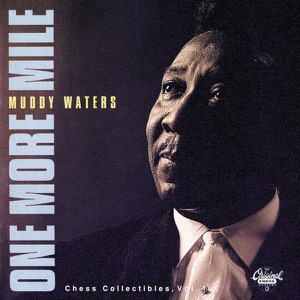
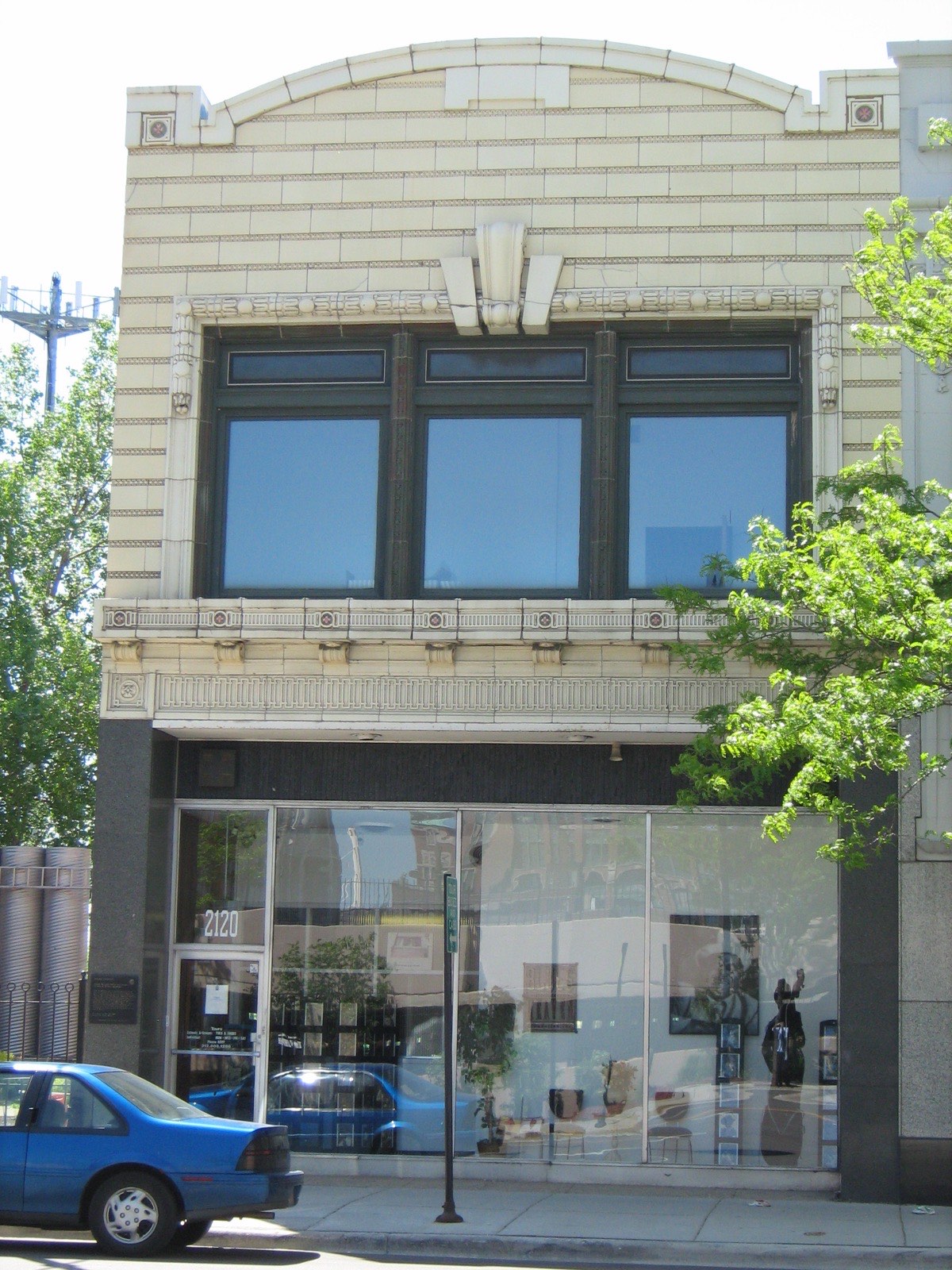
Image: Chess Records Studio (Zol87 from Chicago, Illinois, USA 2009-05-20 14:30, CC BY-SA 2.0) · Source

"Maybellene" went to number one on the rhythm and blues chart and crossed over onto the pop chart, and Alan Freed played it over and over in New York. Freed's name also appeared on the record's writing credits. It took Berry thirty-one years, until 1986, to get the song back in his own name alone.
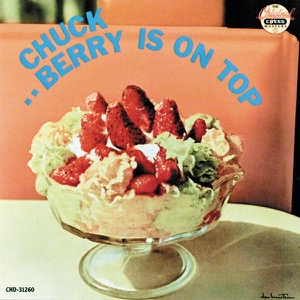
Over the next few years he wrote about cars, about the last bell of the school day, about Saturday-night dances and about being sixteen. It was the life of those white teenagers behind their bedroom doors, written by a Black man pushing thirty who knew precisely who he was writing for.
In 1958 he wrote "Johnny B. Goode," a song about a country boy who plays guitar. More than a decade later he told Rolling Stone that the boy had first been a "colored boy." He changed the word to "country," because otherwise radio wouldn't play it. Radio couldn't see the color of anyone's skin, yet to get on the radio he had to erase his own color from the song.
Elvis, Pat Boone and the rope on the dance floor
In Memphis the same line was drawn the other way round. In the summer of 1954, DJ Dewey Phillips played a newcomer's record on WHBQ and the phones lit up. Plenty of listeners assumed the singer was Black. Phillips got the nineteen-year-old truck driver down to the station and asked him which high school he had gone to. The answer was Humes, a white school. His name was Elvis Presley. A Black man had to erase his color; a white man had to borrow the name of a school to announce his.
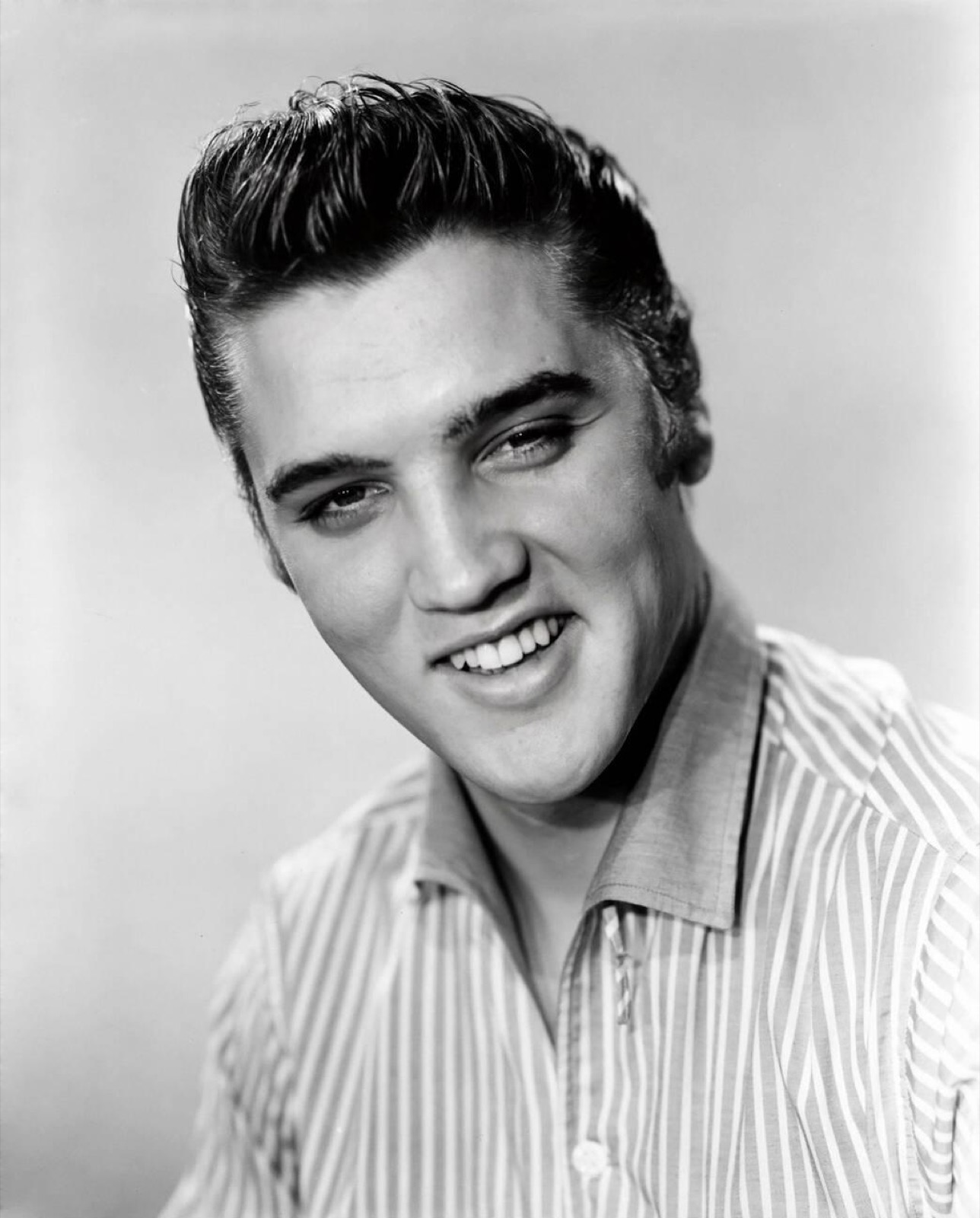
Image: Elvis Presley Publicity Photo, 1956 (Edward Roth 1956, Public domain) · Source

When the line couldn't be drawn in the air, it was drawn on the record sleeve. Within weeks of Little Richard's "Tutti Frutti," a white singer named Pat Boone covered it, very politely, and went higher on the national pop chart. The same song was sold to the white suburbs with a different face.
In Southern dance halls, when Black and white teenagers came to the same show, promoters ran a rope down the middle of the floor, one side for each. The record producer Ralph Bass remembered how some of those nights ended: "Then, hell, the rope would come down, and they'd all be dancing together."
The adults draw the line back
The adults struck back. In 1955 a juvenile crime commission in Houston drew up a list of "objectionable" records, and all nine stations in the city went along. Most of the records were rhythm and blues by Black artists. The people fighting back rarely talked about race. They talked about morals, delinquency and bribes.
Within a few years the first stars had left the stage. In 1957 Little Richard quit in the middle of an Australian tour to study theology. In 1958 Elvis was drafted. Congress investigated payola, the record companies' practice of paying DJs to play their records; Alan Freed refused to sign a statement saying he had never taken money, and his station fired him in 1959. When he died in 1965 he was forty-three and almost forgotten. In the same investigation, the TV host Dick Clark came through untouched. The historian Matthew Delmont found that during American Bandstand's Philadelphia years, the dance floor in front of the cameras kept Black teenagers out for a long time. Radio has no faces. Television does. What couldn't be fenced off in the air was fenced off again on the screen.
In December 1959 Chuck Berry was arrested and charged under the Mann Act with bringing a fourteen-year-old girl across state lines to work at his club in St. Louis. At his first trial the judge made racist remarks in court and the verdict was thrown out. At the retrial he was convicted again, and in February 1962 he went to federal prison. Two things in this story are both true: the prejudice in that courtroom, and a fourteen-year-old girl. Neither the film nor this article excuses him. He spent nearly two years inside, and the world outside seemed to forget him.
Across the Atlantic
Something was happening on the other side of the Atlantic. In June 1963 a new London band released its first single, a Chuck Berry song called "Come On." The band was The Rolling Stones. A month later another band, from Liverpool, recorded his "Roll Over Beethoven."
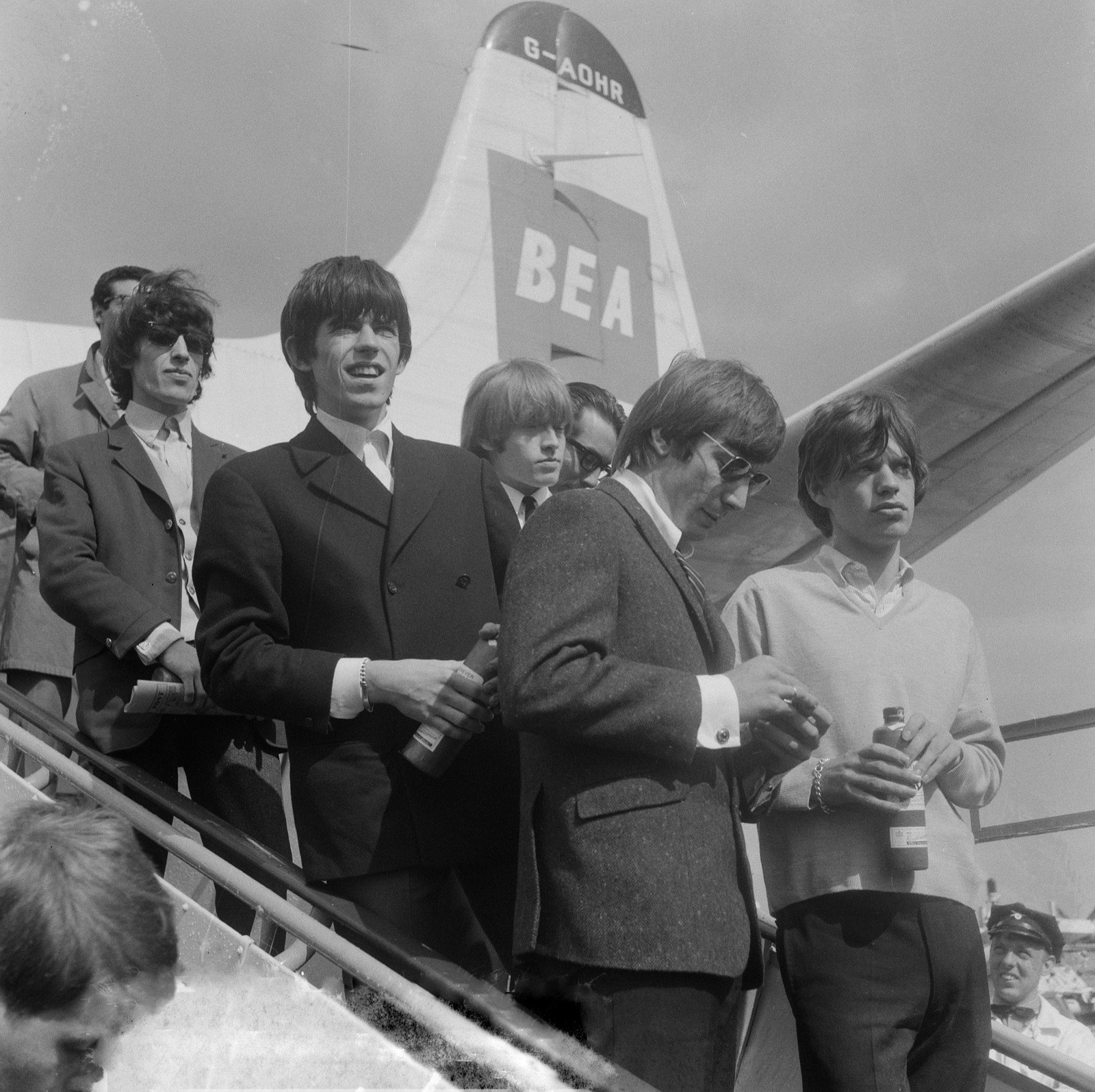
Image: Aankomst van de Rolling Stones op Schiphol, Bestanddeelnr 916-7420 (Hugo van Gelderen / Anefo 1964-08-08, CC0) · Source

That October, Berry walked out of prison. The songs he had written for American white teenagers had been learned, over and over, by a crowd of English ones.
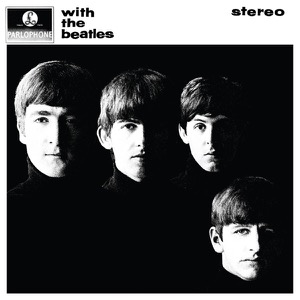
The next September, the band that recorded "Roll Over Beethoven" was touring America. In Jacksonville, Florida, they heard the audience at the Gator Bowl would be segregated. Their answer: segregate it, and we don't play. The stadium backed down, and that night there was no rope in the crowd. The band was The Beatles.
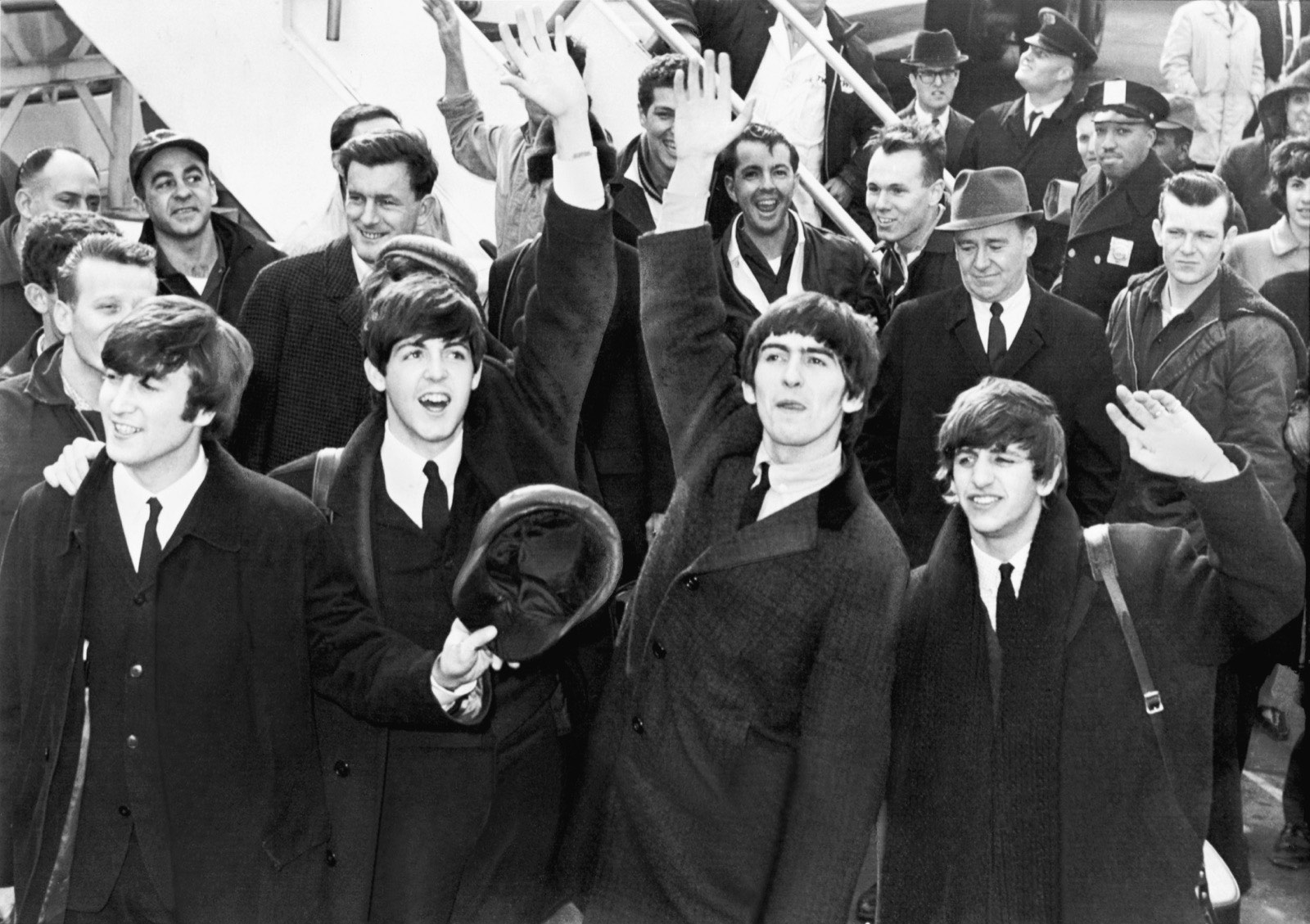
Image: The Beatles arrive at JFK Airport (United Press International, photographer unknown 1964-02-07, Public domain) · Source

What rock and roll changed
Can a kind of music change history? Rock and roll didn't end segregation. That was done by the people who marched, who sat at the lunch counters, and who paid for it.
What rock and roll did was smaller. It let kids who had never crossed that line shut their doors at night, hear what was on the other side for the first time, and find out that they loved it. You can draw a line across a room. You can't draw one across the air, and what the air carried was rock and roll.
Nobody has to turn a radio dial at midnight anymore, but an algorithm won't always bring you music like this. You can still go and find it: on the rock genre page you can start with eight albums, and on the genre map you can trace rock and roll upstream to rhythm and blues and the blues. In Cratto, the same map lets you follow a record you love to where it came from and to what it inspired, and keep your vinyl, CDs and digital albums in one collection. For another story of music and the people who made it under pressure, read how bebop was born during the recording ban, and for what happened to rock's outsiders decades later, see the history of alternative rock.
Records to start with: rock and roll and its roots
The albums below follow the people in this story: Chuck Berry first, then the voices around him and the bands who carried his songs across the Atlantic. Click a cover to hear a preview.
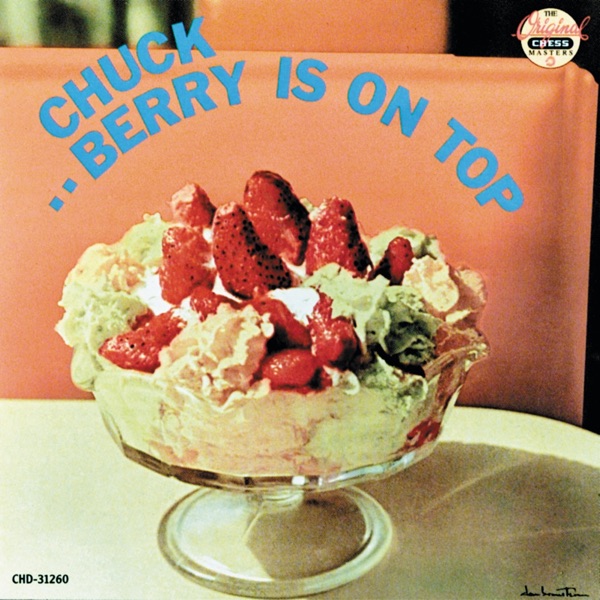
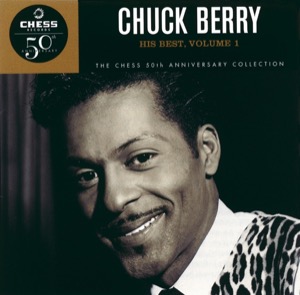
Collects the songs this story turns on. Start with "Maybellene," "Johnny B. Goode" and "Roll Over Beethoven."
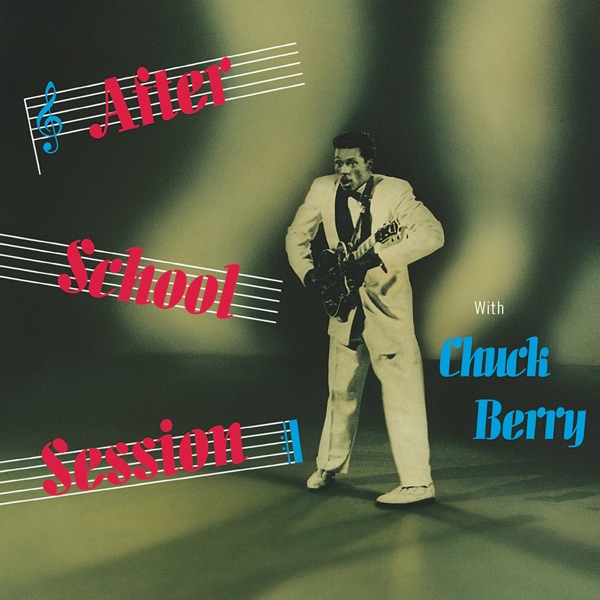
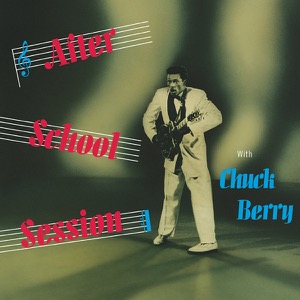
His first album, written for kids at the end of the school day. Start with "School Day."
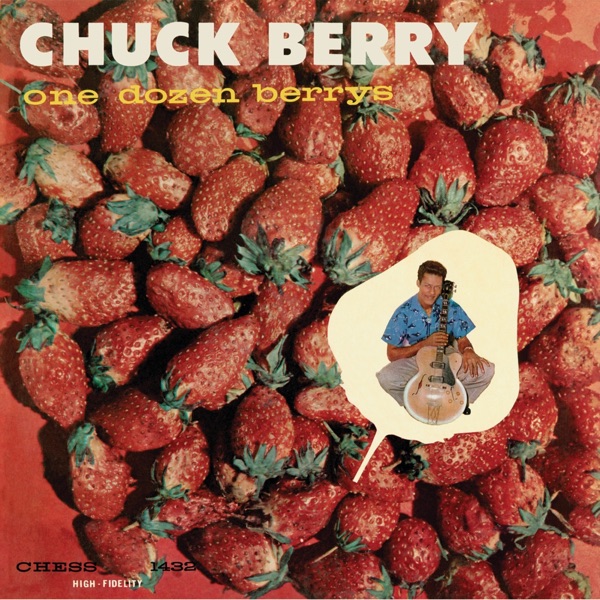
Being sixteen, set to a backbeat. Start with "Sweet Little Sixteen."
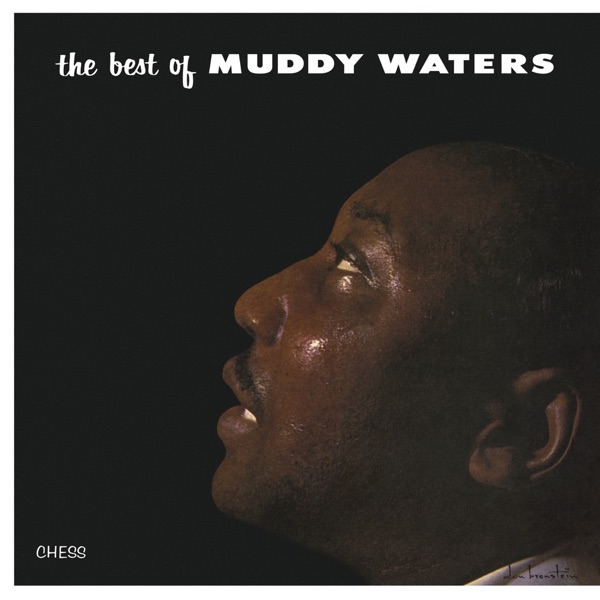
Chuck Berry's hero, and the man who sent him to Chess. Start with "Hoochie Coochie Man."
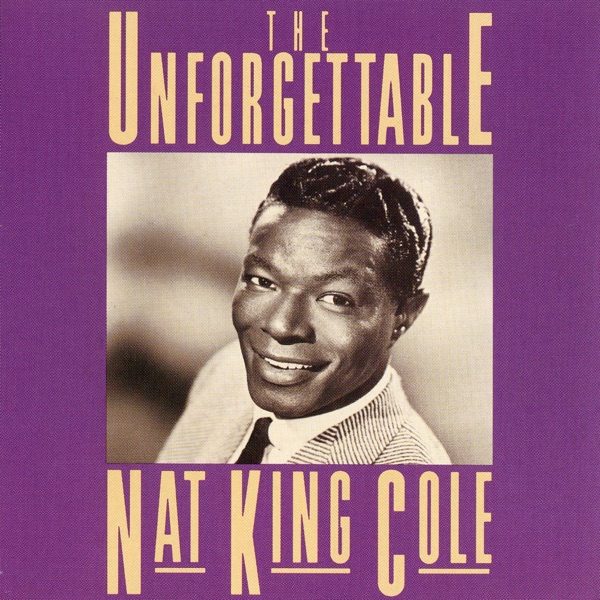
The ballad singer the Birmingham crowd attacked. Start with the title song.
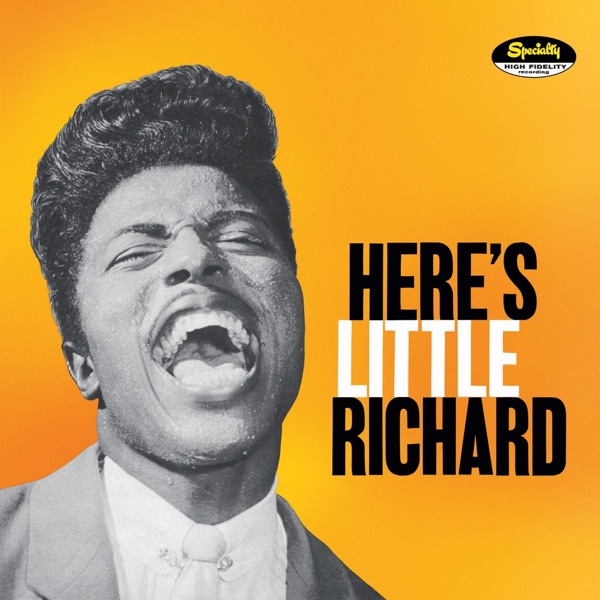
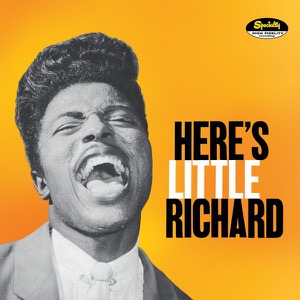
The original that Pat Boone covered. Start with "Tutti Frutti."
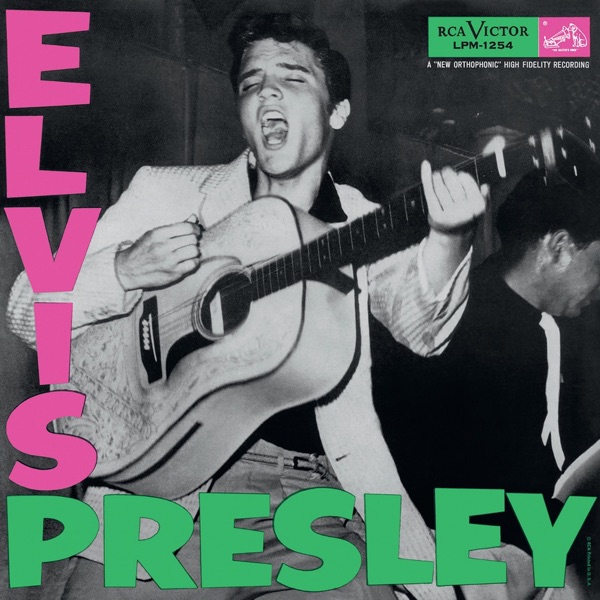
His first album. It has his own "Tutti Frutti," next to "Blue Suede Shoes."
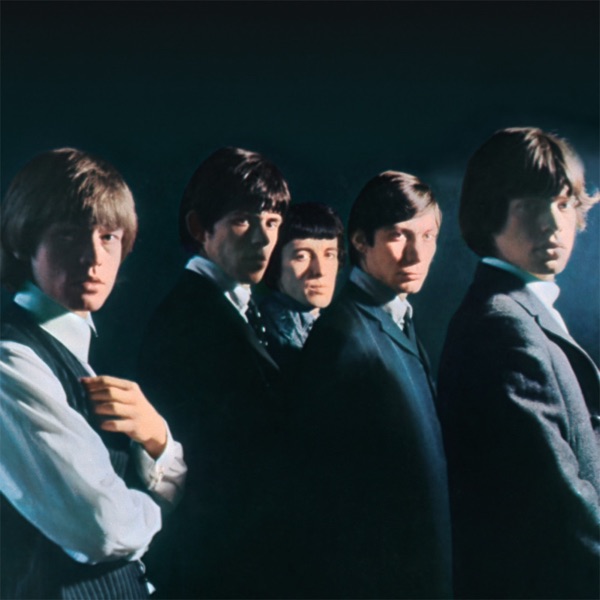
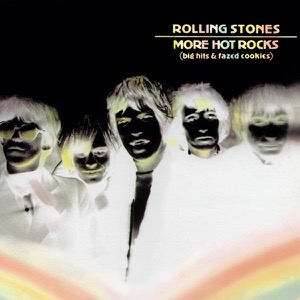
Their first album, full of American R&B. Start with Chuck Berry's "Carol."
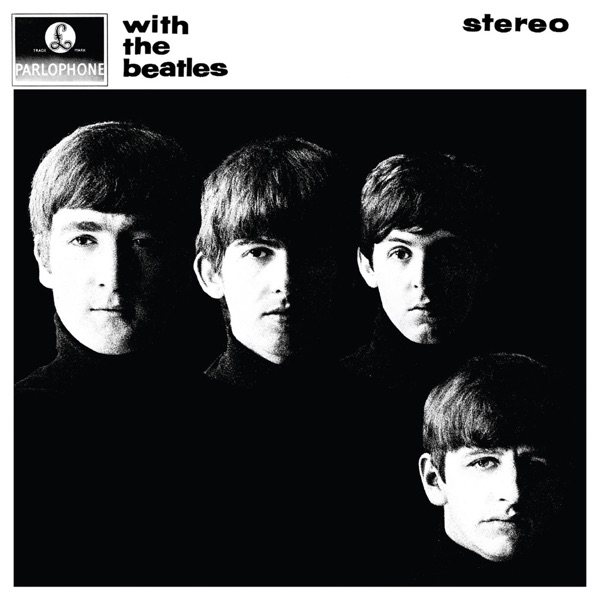
The Liverpool band's take on Berry. Start with "Roll Over Beethoven."
Album covers are the property of their respective rights holders and are shown here for introduction and commentary only.
Sources
- Equal Justice Initiative, April 10, 1956 · A History of Racial Injustice
- Encyclopedia of Alabama, Nat "King" Cole
- JSTOR Daily, Race, Rock, and Breaking Barriers
- Rolling Stone, The Rope: The Forgotten History of Segregated Rock & Roll Concerts
- Education Next, The Adolescent Society
- Smithsonian Magazine, Sixty Years Ago, the Regency TR-1
- Country Music Hall of Fame, Hey, John R!
- Encyclopedia of Cleveland History, Freed, Alan
- Cleveland Historical, The Moondog Coronation Ball
- TeachRock, Alan Freed: Mr. Rock'n'Roll
- NPR, The Story of Chuck Berry's "Maybellene"
- MPR News, Elvis is heard on the radio for the first time
- HISTORY, Chuck Berry is arrested on Mann Act charges
- Philadelphia Inquirer, American Bandstand blocked black teens
- Ultimate Classic Rock, The Beatles in Jacksonville, 1964
- Matthew F. Delmont, The Nicest Kids in Town (University of California Press, 2012)