
Alternative rock began as a way of reaching listeners without big labels or commercial radio. By 1992 it had won: MTV was handing out a prize in its name. This is the story of what three bands did next. R.E.M. went inside the industry, Nirvana was lifted to the very top, and Radiohead walked away. Each answer cost something.
The night MTV gave a prize to "alternative"
On September 9, 1992, Nirvana played the MTV Video Music Awards at Pauley Pavilion in Los Angeles, live on American television. Kurt Cobain was twenty-five. His daughter was three weeks old. That January, Nirvana had knocked Michael Jackson off the top of the American album chart, and now the biggest music channel in the country had invited them to play.
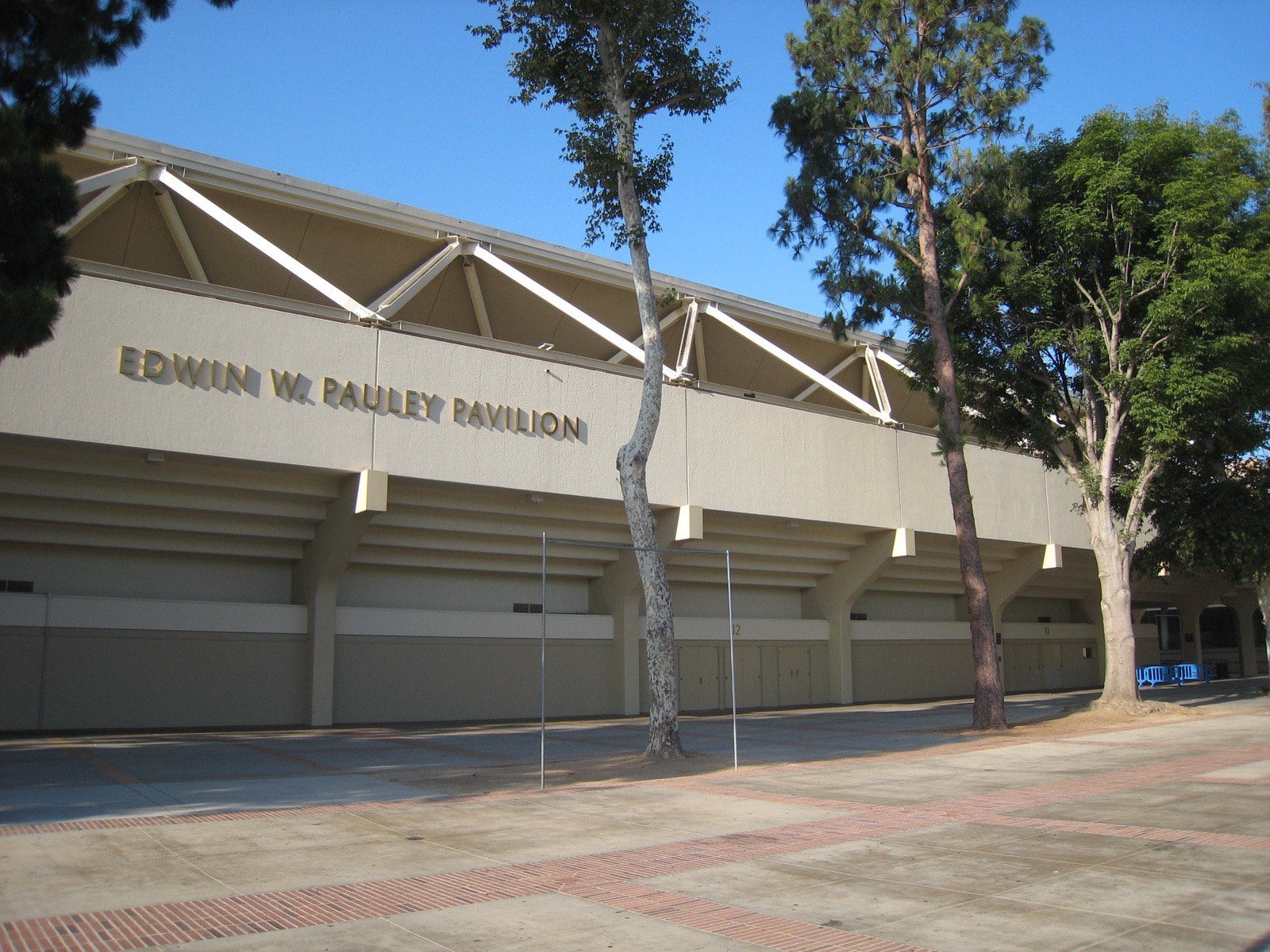
Image: PauleyPavilionExterior (Minnaert 2008-07-26, CC BY-SA 3.0) · Source

The network had told them not to play "Rape Me." As Cobain described it, the song was against rape, written in the voice of a survivor who will outlast her attacker. According to the band's manager, Danny Goldberg, the MTV executive Judy McGrath worried it would look as if the network was normalizing rape, and asked for "Lithium" instead. A fiercer version of the story says MTV threatened to fire a friend of the band and boycott other artists on the label. Goldberg says that isn't true, and more than thirty years later nobody has quite settled it.
The band agreed. Then the broadcast began, and Cobain played the opening of "Rape Me" anyway before the band crashed into "Lithium." The control room nearly cut to commercial. Krist Novoselic threw his bass into the air and didn't catch it. At the end, Dave Grohl shouted "Hi, Axl!" into the microphone, aimed at Axl Rose of Guns N' Roses, who had clashed with Cobain backstage earlier that day.
That night Nirvana won two awards. One of them was Best Alternative Video. The biggest music channel in America was handing out a prize for "alternative," a word that was supposed to stand against all of this. What do you do when the thing you stood against starts to love you?
A road, not a sound
The word makes more sense in America in the early 1980s. Ronald Reagan took office in 1981, and by the end of 1982 unemployment had reached 10.8 percent. In August 1981, MTV went on the air, and music became something you watched. The American divorce rate hit its all-time high in 1979 and again in 1981, and many kids of that generation, later called Generation X, learned to look after themselves in families that had already come apart. Rock on the radio lived in another world of stadiums, long hair and guitar solos.
On college campuses there was another channel. Students picked the records at college radio stations, and a trade paper called CMJ tracked what they played. People called the music college rock, and later alternative.
It ran on a network built by hand. In Los Angeles, Black Flag toured without stopping and turned their own label, SST, into the sound of the underground. In Washington, Chicago and Minneapolis, people started labels and printed zines. A band would get in a van and play one city after another, sleeping on strangers' floors.
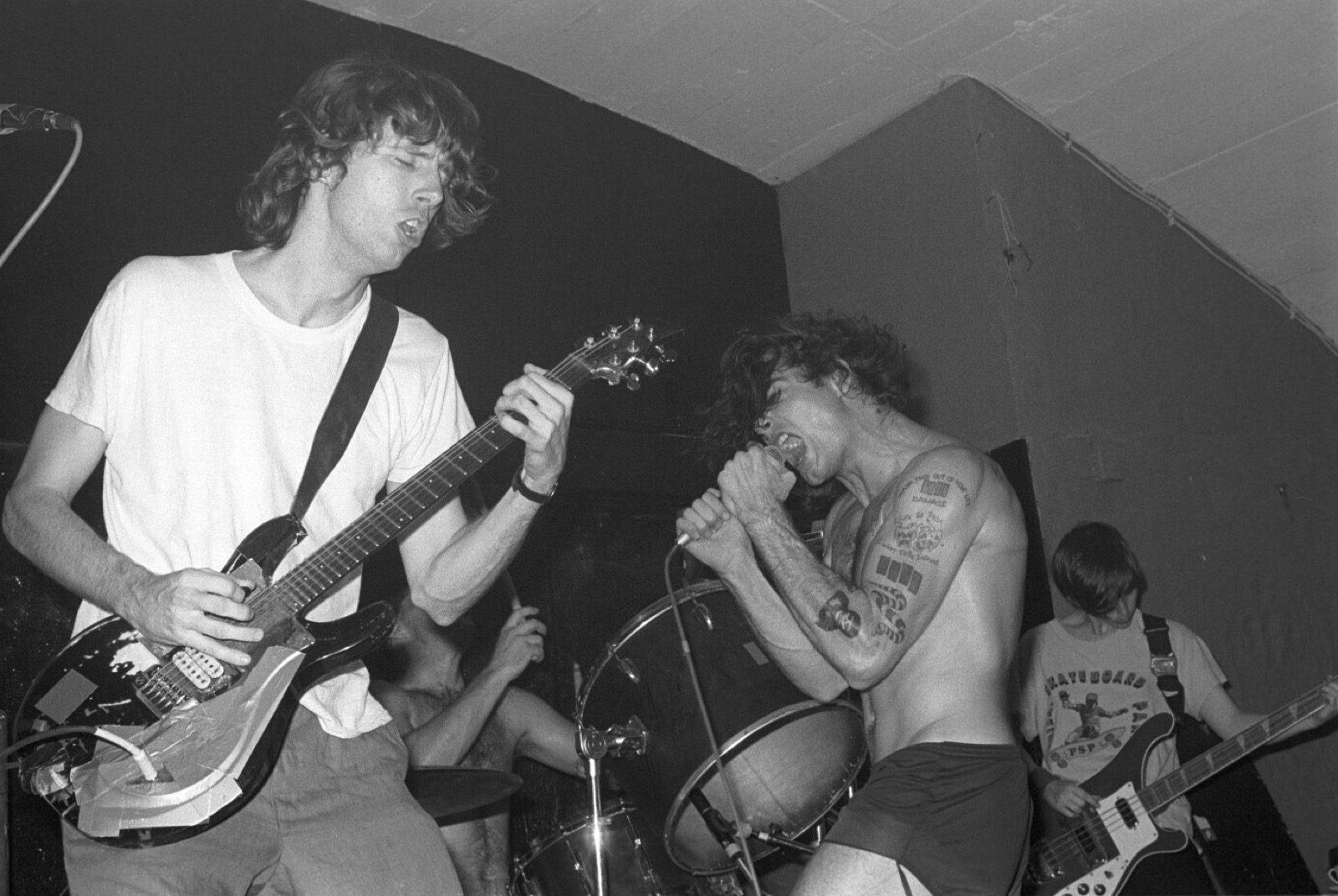
Image: Black Flag - Quartier Latin, 1984 - 02 (Petra Gall Taken on 10 June 1984, CC0) · Source

Black Flag's roar and R.E.M.'s quiet murmur sound nothing alike. So "alternative" never really described a sound. It described a road: a way of reaching listeners without big companies or commercial radio. Thoreau put the attitude in one line: "If a man does not keep pace with his companions, perhaps it is because he hears a different drummer."
R.E.M.: take the money, keep the control
In January 1980, in the college town of Athens, Georgia, a record store clerk named Peter Buck got talking to a regular customer, Michael Stipe. Through a friend they met Bill Berry and Mike Mills. All four were students at the University of Georgia, and Stipe picked their name at random from the dictionary.
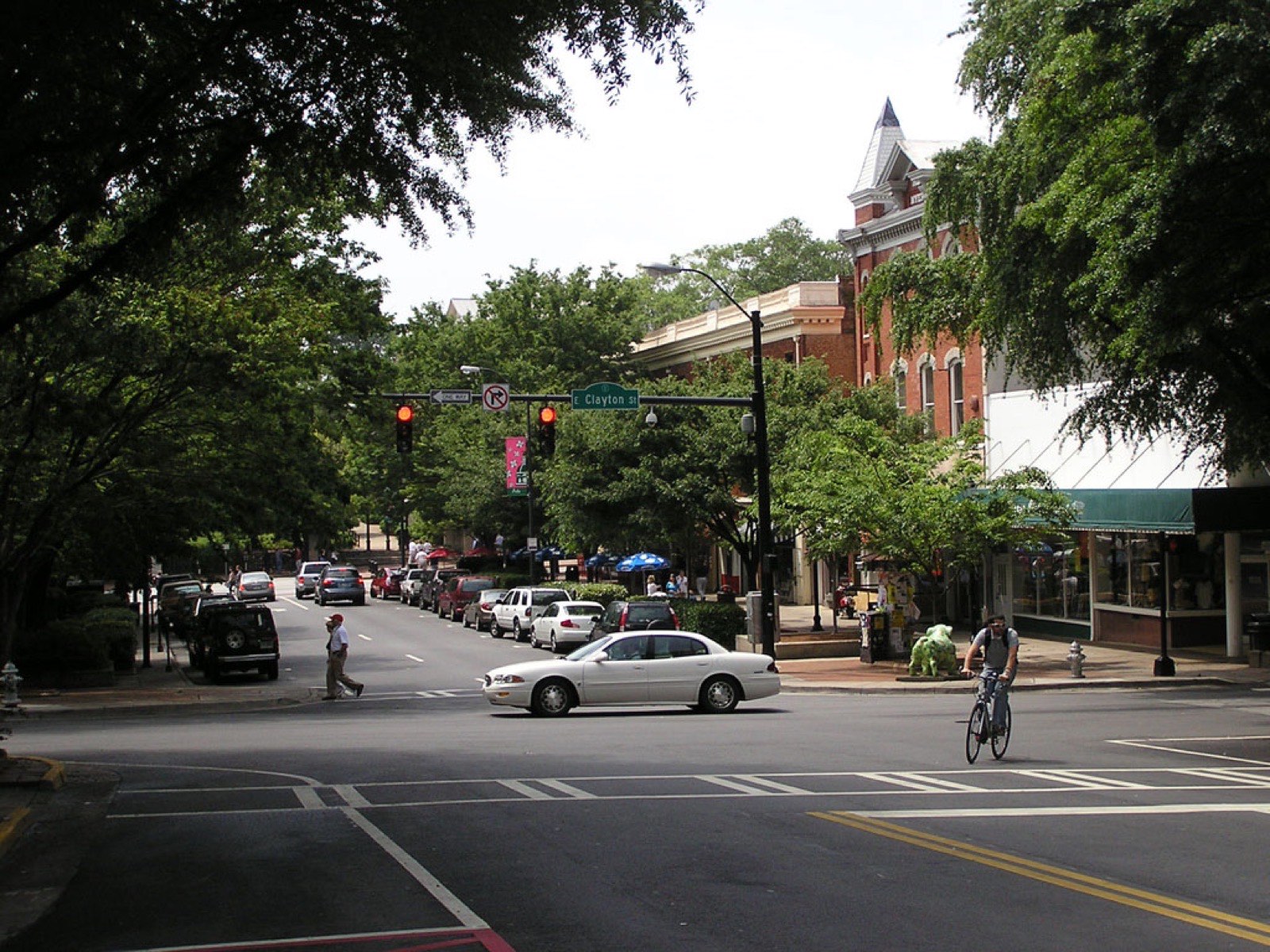
Image: Athens, Georgia - Clayton Street Intersection (Richardelainechambers at English Wikipedia 17 May 2008 (original up, Public domain) · Source

Their first single, in 1981, came out on a tiny local label. They pressed a thousand copies, sold out, and pressed six thousand more. Two years later Rolling Stone named Murmur the record of the year, though it sold only about two hundred thousand copies. College radio and endless touring carried them; Mike Mills said the circuit was made up as they went, one bar and club at a time.
What people remembered was Stipe's voice. You could barely make out the words, and early reviews called it mumbling. "It's just the way I sing," he said in 1984. "If I tried to control it, it would be pretty false." Maybe it was a style. Maybe it was protection.
As Reagan's second term ended, that voice came into focus. The albums of 1987 and 1988 held Stipe's most direct political writing: "there was nothing to do but be active," he said later. In 1988 the band signed with Warner Bros. Reports put the deal somewhere between six and twelve million dollars, and what sold them was the promise of total creative freedom. In the underground, signing to a major was something you had to explain. R.E.M.'s position was simple: take the money, keep the control.
In 1991, Out of Time took them to number one in America and Britain for the first time. In the US the CD came in a long cardboard box, packaging the band disliked for its waste, so they turned the back of the box into a petition. Buyers could mail it to their senator in support of letting people register to vote when they got a driver's license. In 1993, Bill Clinton signed that bill into law.
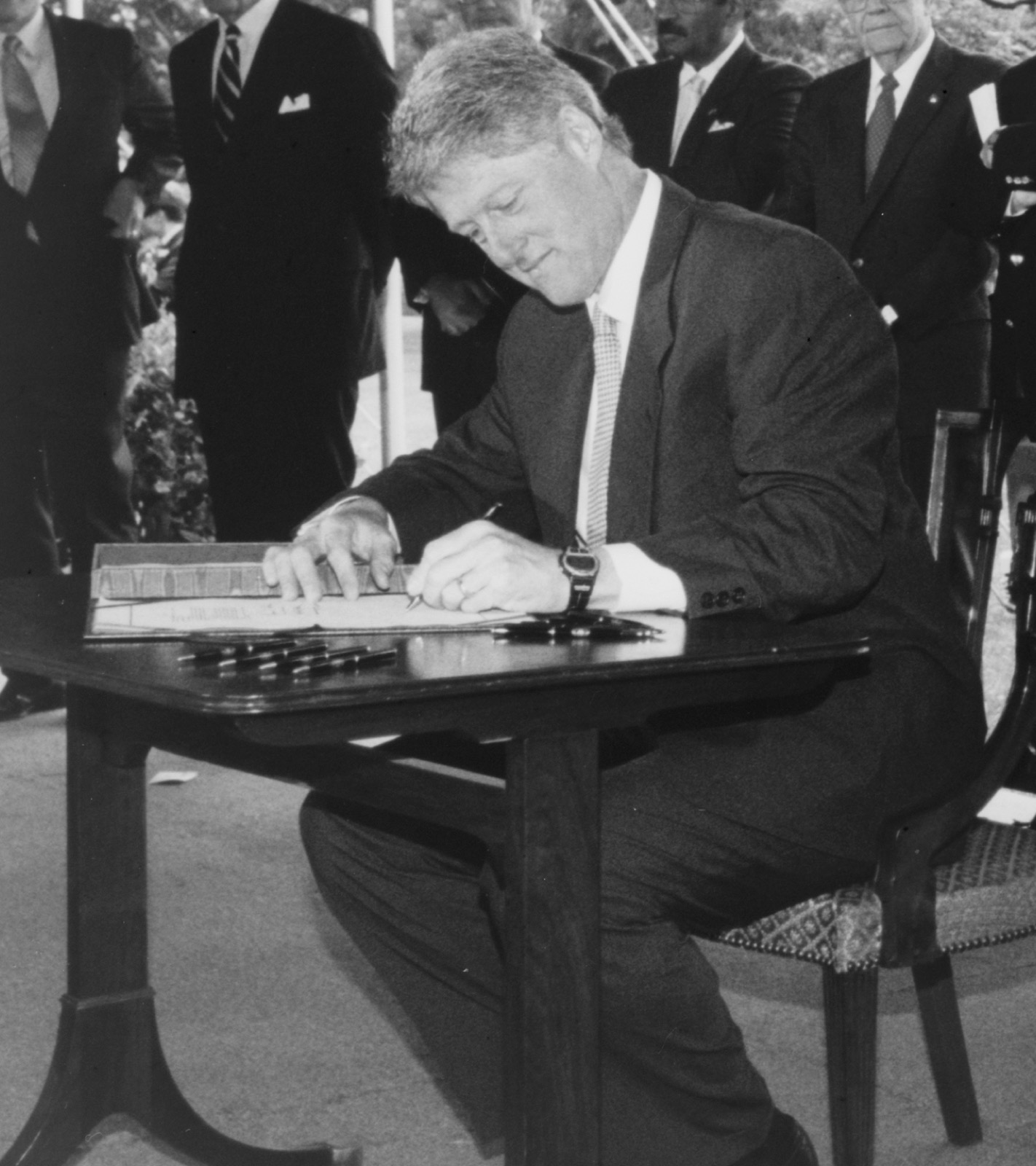
Image: President Bill Clinton signing the National Voter Registration Act of 1993 (Motor Voter Act) (White House 1993-05-20, Public domain) · Source

Nobody can measure how much the petition did. But it was the first of three answers to that question: go inside, and use the seat.
Aberdeen: a kid who felt ashamed
On the Pacific coast of Washington State, Aberdeen was a timber town, and after the recession of the early 1980s the logging industry kept shrinking. Cobain later said that if you weren't ready to go into logging there, you could expect to be beaten up or run out of town.
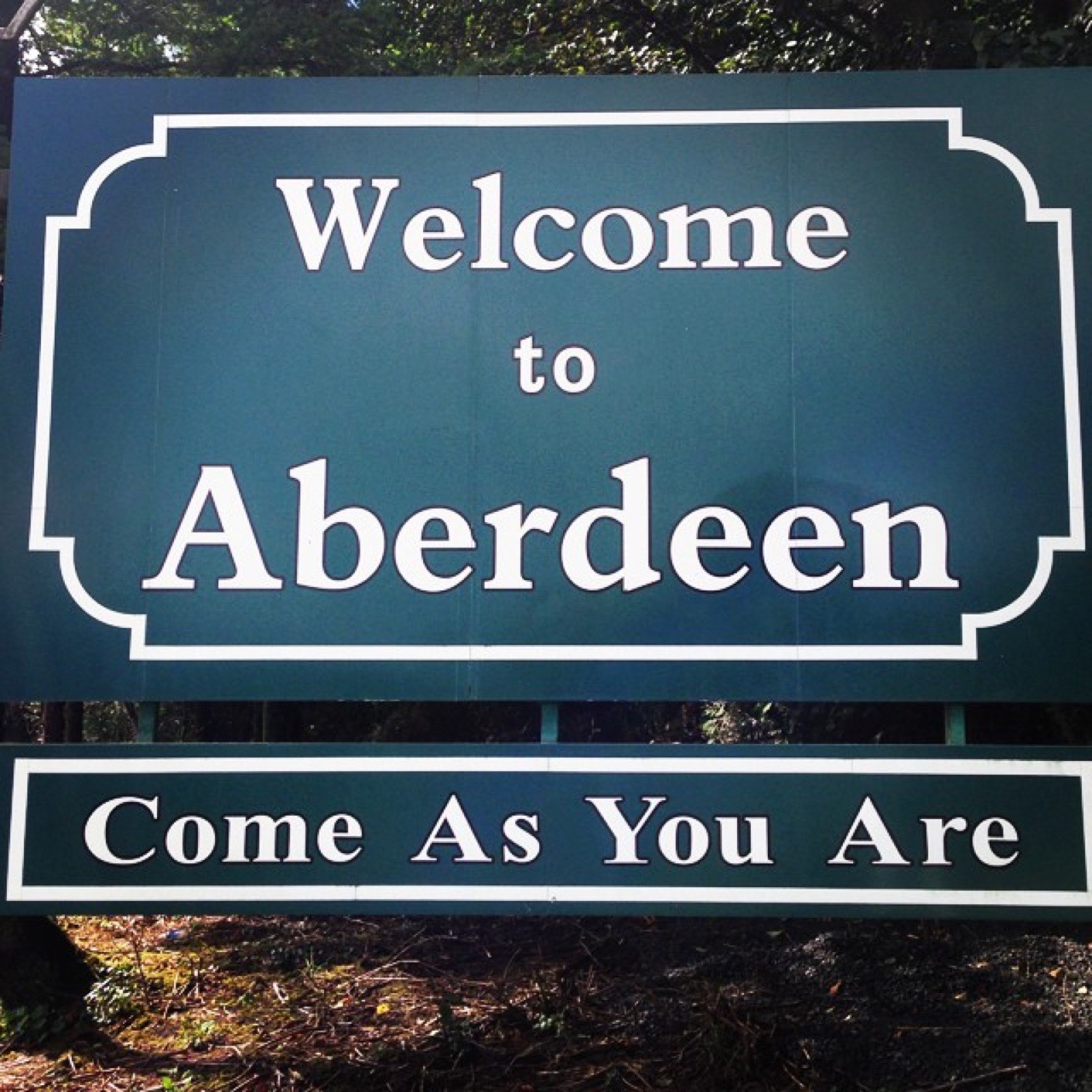
Image: Welcome to Aberdeen, Come As You Are (Jay Thompson 2014-08-30, CC BY-SA 2.0) · Source

He was born there in 1967. He said his childhood was happy until his parents divorced when he was nine. In 1993, talking to the writer Jon Savage, he used an unusual word: he felt ashamed of his parents, because he wanted a typical family. A child ashamed of something the adults did can carry that feeling for a long time. Afterwards he moved between his mother, his father, his grandparents and friends' homes, dropped out of school, and later went back to his old high school as a janitor.
Punk gave him the first place where he didn't have to explain himself. The Melvins, a band from the next town, let him hang around, and he said he watched hundreds of their practices. He moved to Olympia and built Nirvana with Krist Novoselic. Their first album, Bleach, came out in 1989; the studio bill was $606.17, and their guitarist Jason Everman paid it.
Olympia was a place where the punk scene and the feminist riot grrrl movement were tightly bound together. There Cobain found another way of being a man. He hated the macho culture of his hometown and spoke out against sexism for the rest of his life.
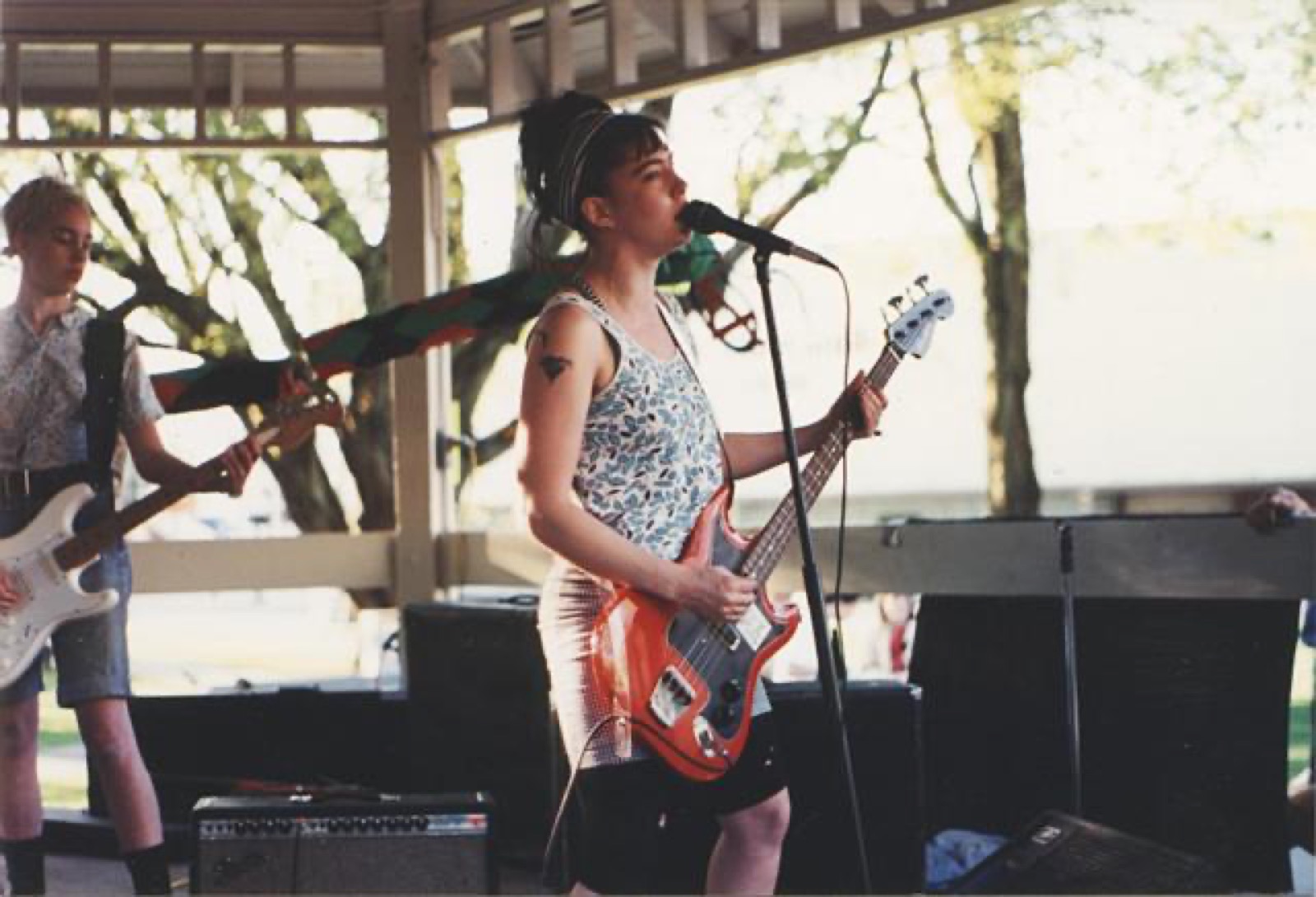
Image: Bikini Kill in 1991 (jonathancharles 1991-05-01, CC BY-SA 2.0) · Source

One night in 1990, his friend Kathleen Hanna, the singer of Bikini Kill, wrote a joke on his apartment wall: Kurt smells like Teen Spirit. Teen Spirit was a deodorant for girls. Cobain didn't know the brand and took the line to be about youth and revolution. That private joke became the title of the song that defined an era.
1991: the year someone started counting
Until May 1991, Billboard built its album chart by phoning record stores and asking what was selling, and the errors were built in. On May 25 that year the chart switched to scanned sales from the register, a system called SoundScan. Rap, country, metal and alternative rock turned out to be selling far better than anyone thought. Those listeners had been there all along; nobody had been counting them.
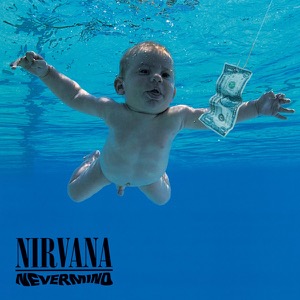
That September, Nirvana released Nevermind on DGC, a major-label imprint they had joined on the advice of Kim Gordon of Sonic Youth. Cobain later admitted that with "Smells Like Teen Spirit" he was trying to rip off the Pixies and their soft-then-loud dynamics. The label shipped about forty-six thousand copies in the US and hoped to sell around two hundred and fifty thousand. The album entered the chart at number 144. On January 11, 1992, it pushed Michael Jackson's Dangerous out of first place, selling three hundred thousand copies a week. Cobain said it sounded too polished, closer to Mötley Crüe than to punk.
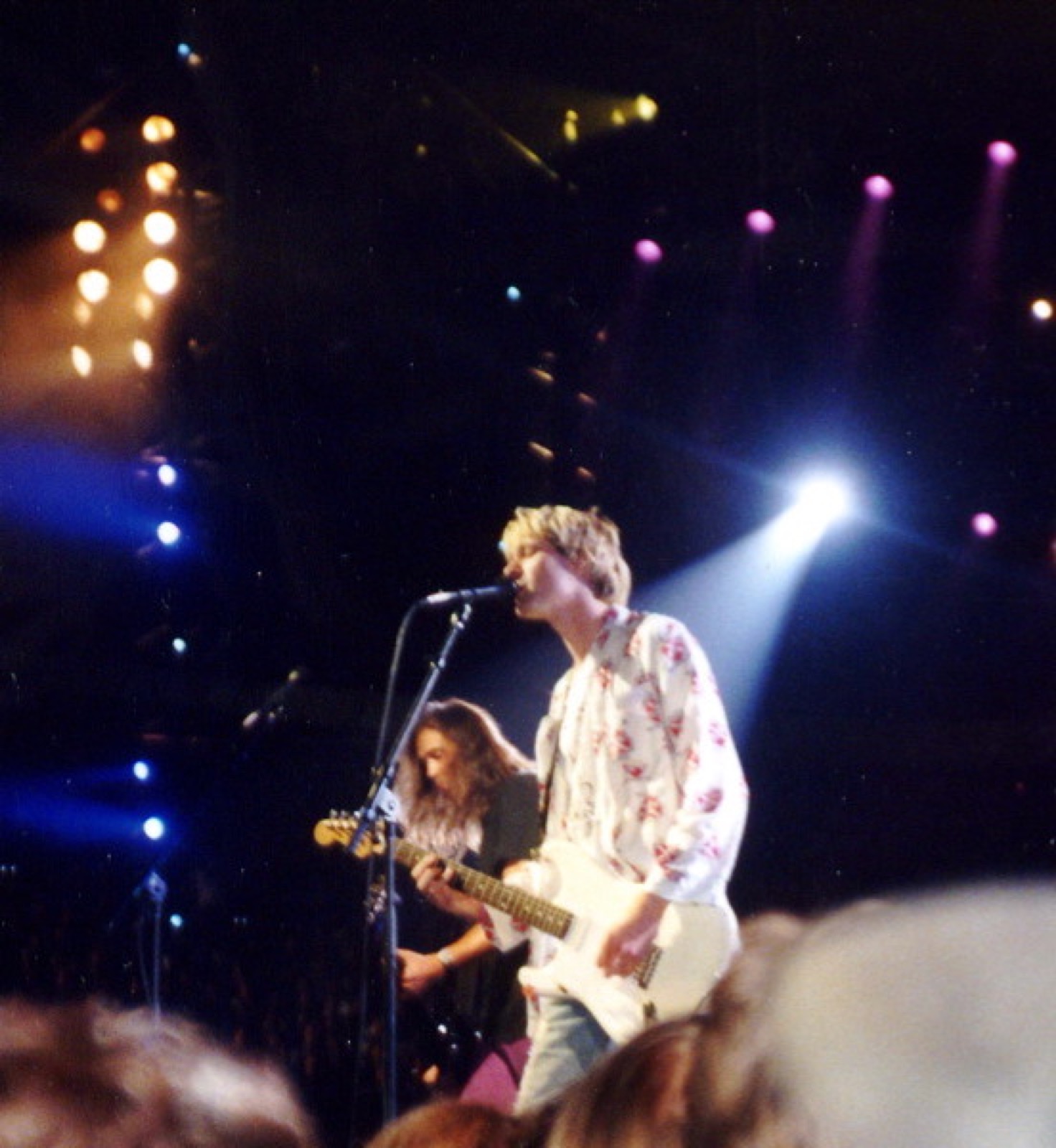
Image: Nirvana around 1992 (high quality) (P.B. Rage from USA Taken on 9 September 199, CC BY-SA 2.0) · Source

The industry moved fast. The Grammys had already added an alternative category in 1991, and "alternative" became a divider in a record store, something you could stock and order. Major labels poured into Seattle looking for the next Nirvana. In November 1992, The New York Times ran a glossary of grunge slang supplied by Megan Jasper, a former receptionist at Sub Pop Records, who made the words up on the spot ("wack slacks" for ragged jeans, "cob nobbler" for a loser), and the paper printed them. That same month Marc Jacobs sent flannel shirts down the runway and mailed samples to Kurt and Courtney; Love later said they burned them.
Ten years earlier, this word had meant you didn't need the main road. Now the main road ran right up to its door. R.E.M. took ten years to reach the top. Nevermind got there in less than four months.
The cost of becoming somebody
Emily Dickinson once wrote, "How dreary – to be – Somebody! How public – like a Frog." The press quickly gave Cobain a job, spokesman of a generation, and he didn't want it. What hurt more was the crowd: the macho types he had spent his life getting away from were now shouting along to the choruses. In the notes to the 1992 compilation Incesticide he put it plainly: if you hate gay people, people of other races, or women, stay away from our shows and don't buy our records.
Those years were hard. He lived with chronic stomach pain that no one ever explained, and he was addicted to heroin. In 1992 a Vanity Fair story suggested his wife had used heroin while pregnant, and it threw the lives of two new parents into chaos.
In 1993 the band went to Steve Albini, an engineer known for a raw sound, and made In Utero, an album built not to please. "The grown-ups don't like it," Cobain told his biographer. It debuted at number one anyway. Wal-Mart wouldn't stock it, so the label put out a version with altered artwork and a changed song title. However hard he pushed, the door wouldn't close. That fall he told Rolling Stone that the next album might be ethereal and acoustic, and said R.E.M. had handled their success "like saints."
In April 1994, Kurt Cobain died by suicide. He was twenty-seven, and he left a daughter who was not yet two. There is never one answer to why a person reaches that point. Pain, addiction, depression and a family history are all part of this story; fame may be part of it too, but nobody can say how much. It shouldn't be told as a legend. Before anything else, it was a family's loss.
What people feared most was that others would follow. In the days afterwards, calls to Seattle's Crisis Clinic went up to three hundred a day, compared with about two hundred before. The clinic held a press conference, explained the warning signs and gave out its number, and a vigil was held in the city. When researchers looked at the numbers later, they found one clear imitative suicide in the Seattle area, and cautioned that the sample was small. "We were truly shocked," said the psychologist David Jobes, who led the study, "by what didn't happen." At the worst moment, what helps may be just this: a public phone number, and someone saying, talk to somebody.
If you or someone you know is struggling, contact your local crisis line, or tell someone you trust.
When the news reached Atlanta, R.E.M. were recording a new album. Stipe and Cobain were friends. Stipe wrote the words of "Let Me In" in five minutes. "It was our, my, plea to Kurt," he said. The guitar Mike Mills played on it was Cobain's; Courtney Love had given it to the band.
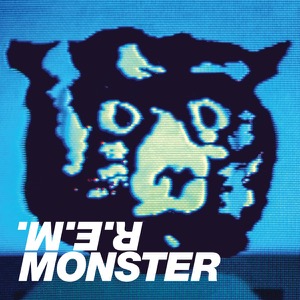
Radiohead: a song that stopped being theirs
On the other side of the Atlantic was another kid who didn't like being looked at. Thom Yorke was born in 1968 with his left eye fixed shut and had several operations before he was six; he has said the last one was botched. In 1985, at a private boys' school in Oxfordshire, he started a band with his classmates. At the end of 1991 they signed to EMI and changed their name to Radiohead.
Their first single, "Creep," is sung by a man who doesn't think he belongs in the room. Released in September 1992, it reached number 78 in Britain, and BBC Radio 1 passed on it as too depressing. It caught on first in Israel, then at a San Francisco radio station, where it was the most requested song by Christmas, and the second time around it reached number seven in Britain. Those blasts of guitar before the chorus came from Jonny Greenwood, who disliked the song and tried to spoil it. That made the song. "It's like it's not our song any more," Yorke said, and in time they stopped playing it.
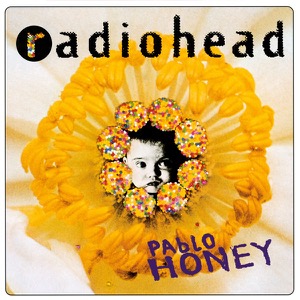
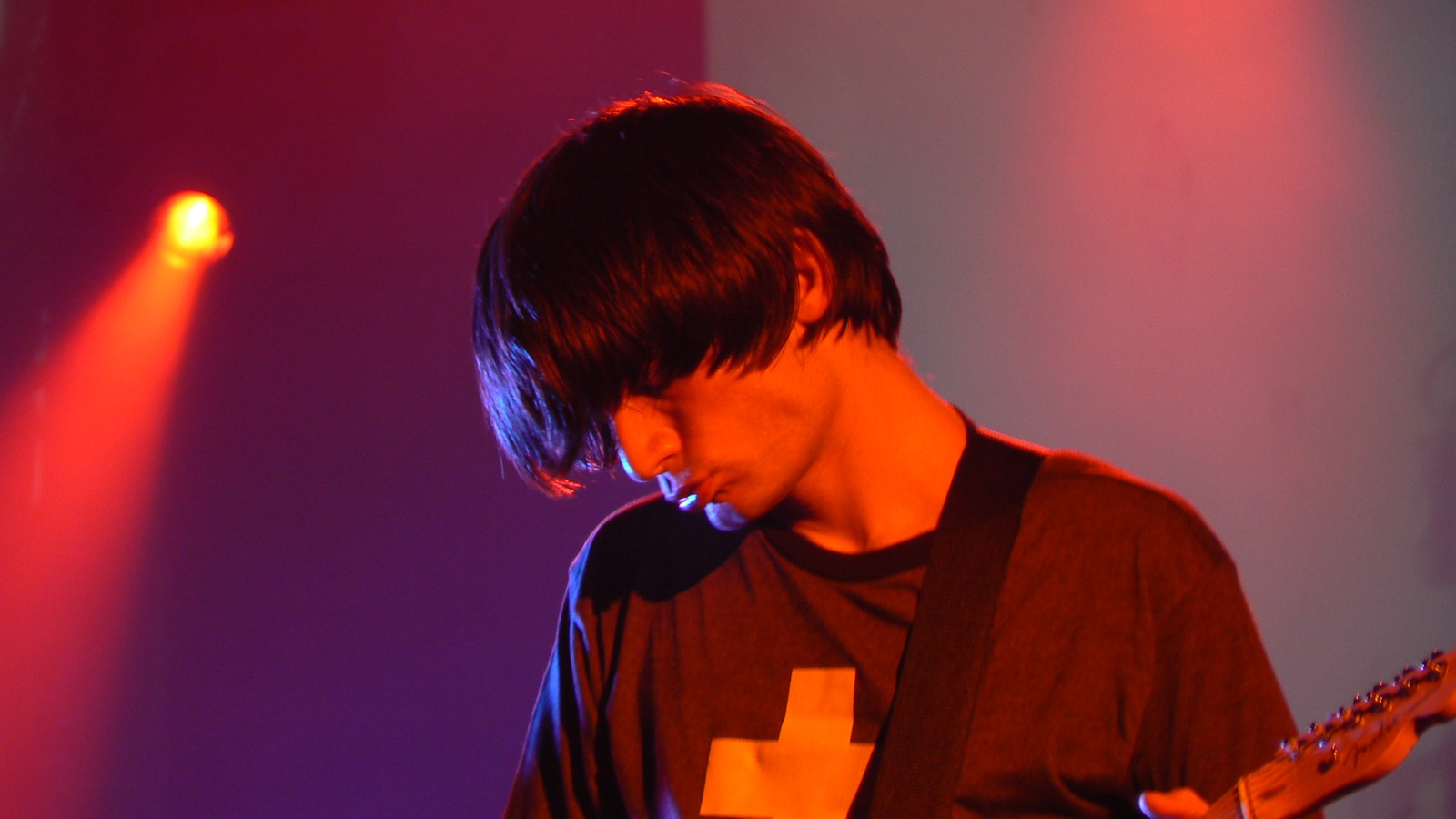
Image: Jonny Greenwood (Amsterdam) (michell zappa from São Paulo, Brazil 2006-05-09 21:32, CC BY-SA 2.0) · Source

OK Computer, in 1997, was about a world growing faster and stranger: consumerism, alienation, unease about technology. Before release their American label cut its forecast to half a million copies, down from two million; instead the album brought them more acclaim than they had ever known. "That tour was a year too long," Yorke said. He couldn't write, and the band came close to splitting up. It was what had happened in Seattle five years earlier: the world had started deciding who you were. (The band's own story is told in more detail in Radiohead: Five People, One Constantly Changing Room.)
Radiohead answered differently. Kid A, in 2000, turned to electronics and experiment with no single at all, and still went straight to number one in America. Yorke was reading Naomi Klein's No Logo, and on their British tour the band played in their own tent and kept corporate advertising out. Saying no was never easy: in 1994 Pearl Jam complained to the Justice Department about Ticketmaster's grip on concert tickets and testified before Congress, and the next year the investigation closed with no action.
Radiohead's 2003 album was their last for EMI. On October 10, 2007, they released In Rainbows on their own website with an empty price box: you could pay whatever you liked, including nothing. That was the third answer: walk away. Not everyone cheered. Trent Reznor called it insincere and Lily Allen called it arrogant. And not every band could take that road; Radiohead could leave the price blank because a major label had spent more than a decade building their name. "Alternative" isn't only a stance. It is also a freedom that takes capital to keep.
What was left
In 2001, Michael Stipe told Time he was a queer artist and had been in a relationship with a man for about three years, after years of rumors about his health and his sexuality. The young man nobody could quite hear in the 1980s had taken twenty years to say it clearly. In September 2011, R.E.M. announced they were calling it a day, with no fight and no scandal. "All things must end," Stipe said, "and we wanted to do it right, to do it our way."
Go back to that stage in 1992 and its question. R.E.M. went inside and used the seat. Nirvana tried to stay where they were and were lifted to the very top. Radiohead walked away and set their own price. None of these answers really won. The mainstream has never been afraid of opposition; it buys that too, prints it on a divider and puts it in the store.
A name can be bought. One thing can't. None of these songs are about winning: one man you can't quite hear, one ashamed of his family, one who thinks he shouldn't be in the room. Before them, men on rock stages seldom talked that way. Somewhere in a small town, a kid who feels something is wrong with them puts on a record like this for the first time and finds out it isn't just them. Dickinson's poem opens: "I'm Nobody! Who are you? Are you – Nobody – too?" Maybe that is what alternative rock was really asking.
Records like these rarely arrive on their own; you usually have to go and dig for them. The taste map in Cratto lets you start from one record you love and follow its genre to its roots, to the genres it influenced and to the albums worth hearing, and the library keeps your vinyl, CDs and digital albums together in one place.
Records to start with: three answers to success
Twelve albums, grouped by band and in the order they came out. Tap a cover to hear a preview.
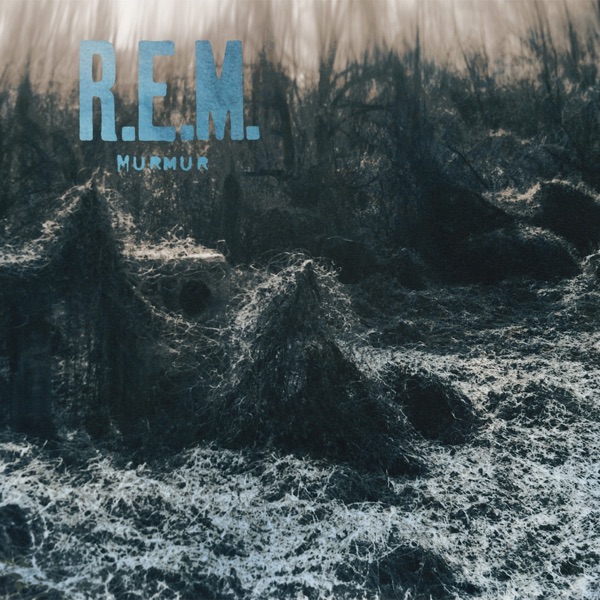
Rolling Stone's record of the year for 1983, and the half-heard Stipe voice at its source. Start with the opening "Radio Free Europe."
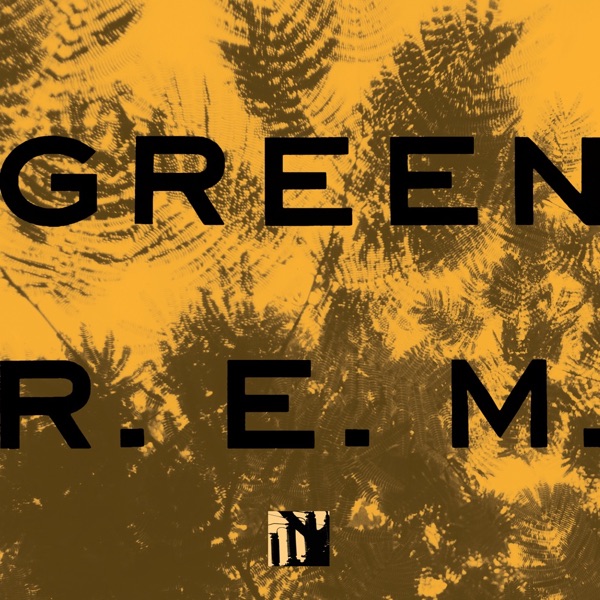
Their first album for Warner Bros., from the years of Stipe's most direct political writing.
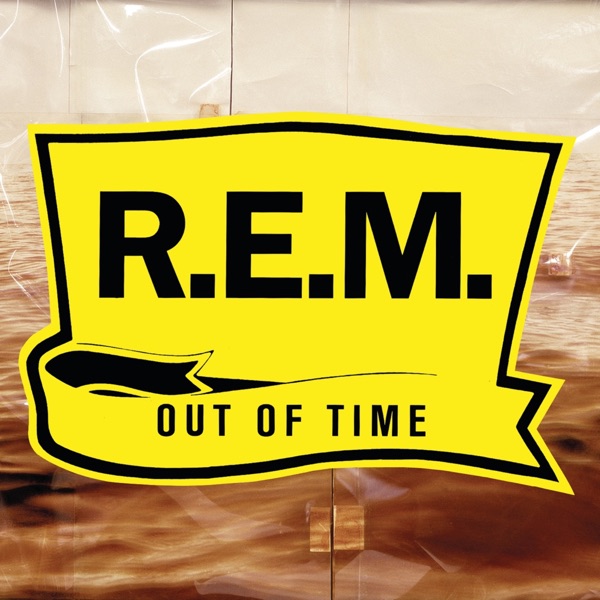
Their first number one in America and Britain; the US longbox carried the voter-registration petition. "Losing My Religion" is here.
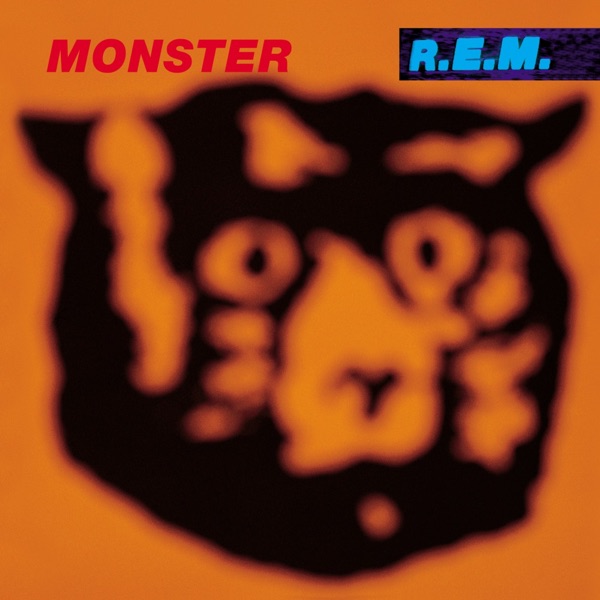
Home of "Let Me In," Stipe's five-minute plea to Kurt, with Mike Mills playing Cobain's guitar.
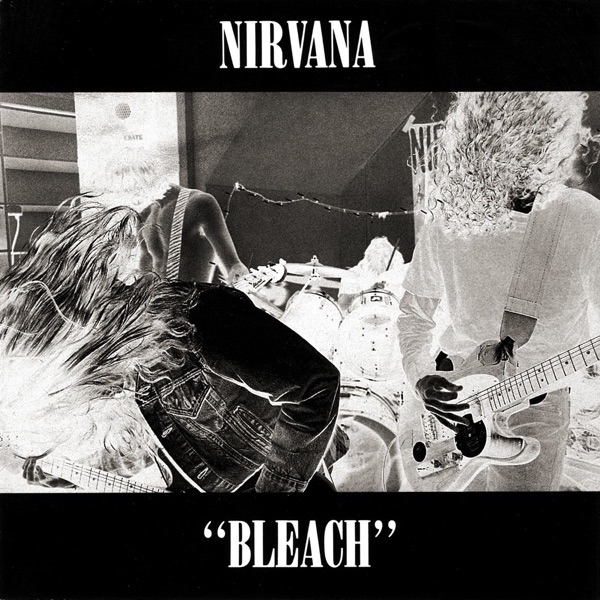
Nirvana's first album, made for a studio bill of $606.17 that Jason Everman paid. You can hear where they came from.
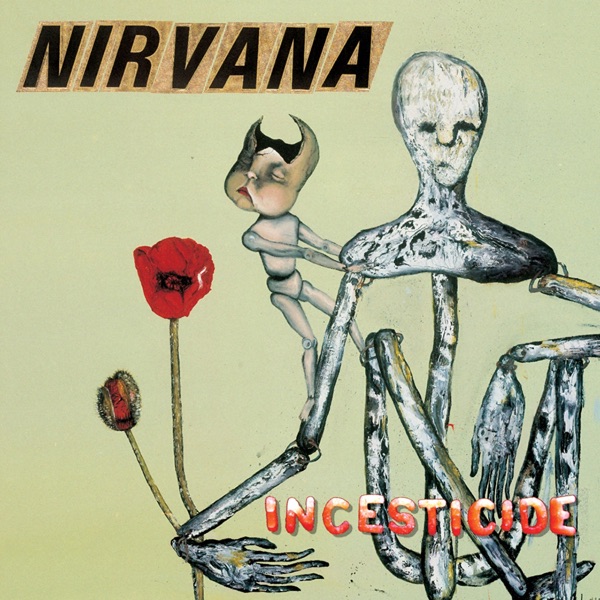
The 1992 compilation whose liner notes told anyone who hated gay people, other races or women to stay away.
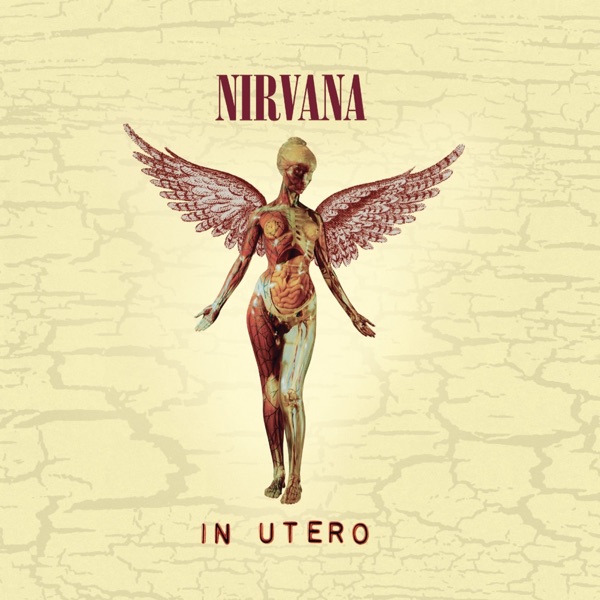
Made with Steve Albini and built not to please, yet it still debuted at number one.
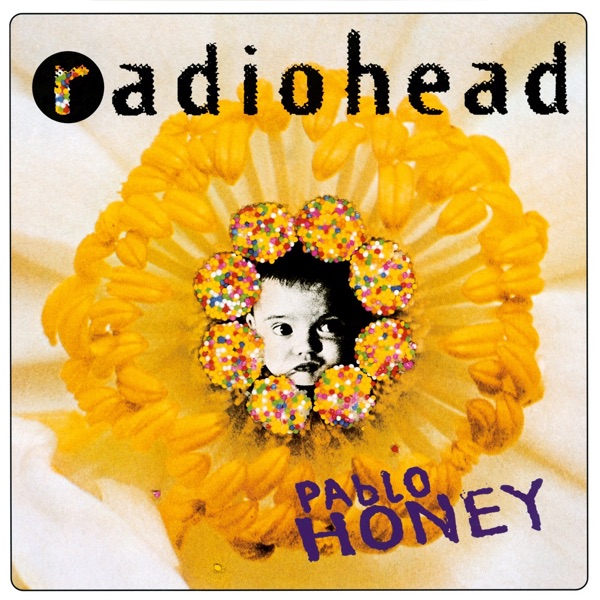
The album with "Creep," the song Radio 1 found too depressing and the band later stopped playing.
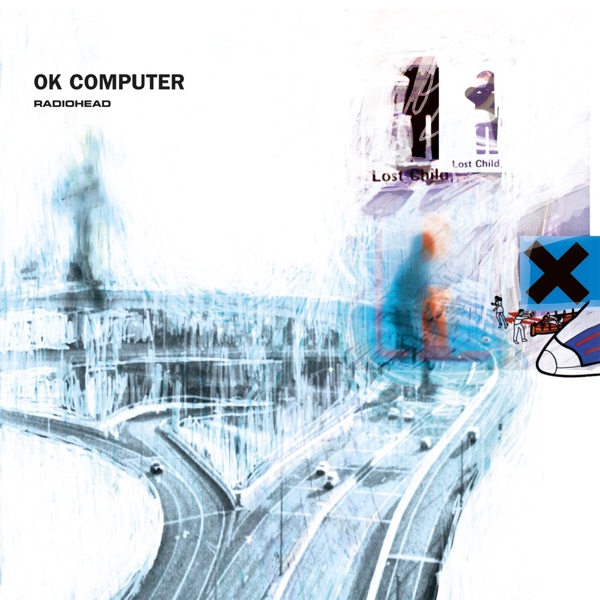
Consumerism, alienation, unease about technology. The label cut its forecast; it brought them more acclaim than ever.
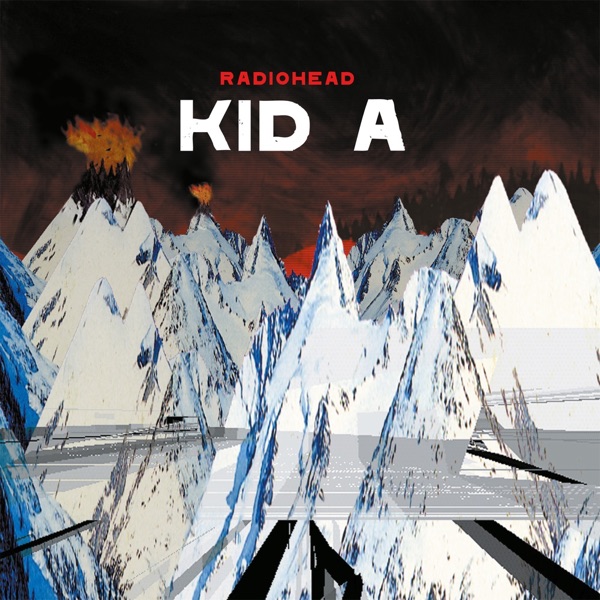
A turn to electronics and experiment, with no single, that still went to number one in America.
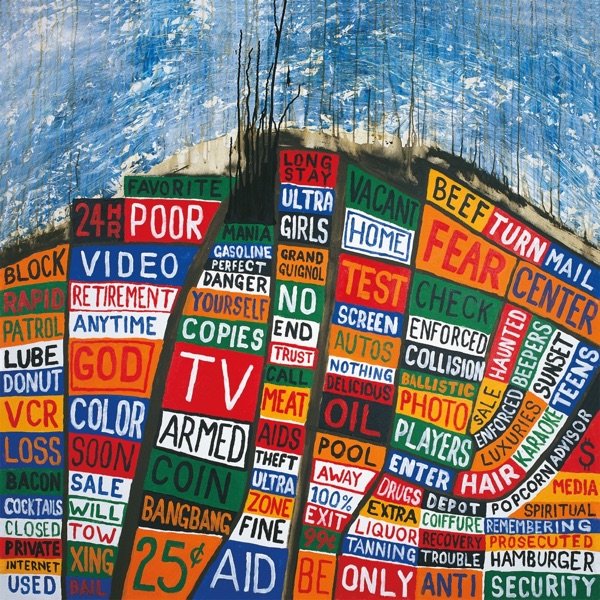
Their last album for EMI.
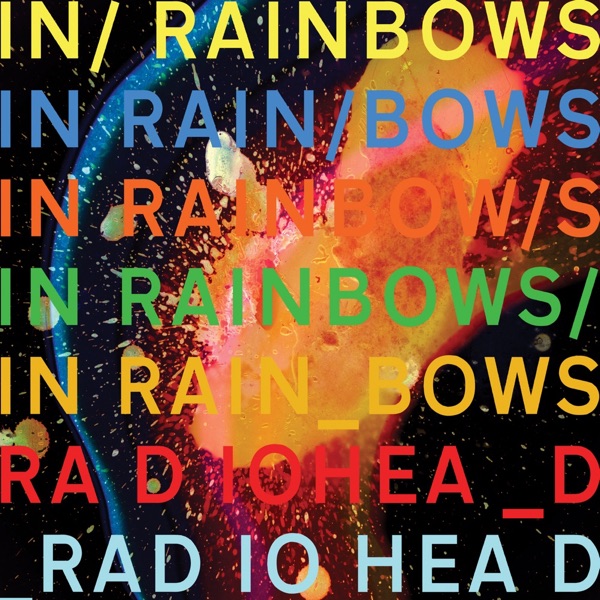
Released on their own website on October 10, 2007, at whatever price you chose, including nothing.
Album covers are the property of their respective rights holders and are shown here for introduction and commentary only.
Sources
- 1992 MTV Video Music Awards, Wikipedia
- Book review: Serving the Servant, Rolling Stone
- College rock, Wikipedia
- Monthly Labor Review, February 1983, U.S. Bureau of Labor Statistics
- Remember When R.E.M. Made It Easier to Vote?, Jacobin
- Cobain, Kurt (1967–1994), HistoryLink
- Kurt Cobain: the last session, Dazed (interview by Jon Savage)
- How SoundScan Changed Everything, The Ringer
- Nevermind, Wikipedia
- 'Wack Slacks': When the Media Fell for a Grunge Slang Hoax, Mental Floss
- Kurt Cobain, The Rolling Stone Interview: Success Doesn't Suck, Rolling Stone, 1994
- Cobain suicide not contagious, study finds, The Spokesman-Review / AP, 1996
- Preventing suicide: a resource for media professionals, WHO
- Michael Stipe: Let Me In track was plea to Kurt Cobain, Radio X
- Creep (Radiohead song), Wikipedia
- Thom Yorke Discusses His Debilitating Writer's Block, Exclaim!
- 1994: When Pearl Jam took on Ticketmaster, KIRO 7
- R.E.M. calls it a day, NPR
- I'm Nobody! Who are you?, Academy of American Poets