





Genre · Rock · United States and United Kingdom, late 1970s
Alternative rock
Where to start with alternative rock: Nevermind, then seven more albums below, in order.
Alternative rock grew out of the independent music underground of the late 1970s and early 1980s, in the United States and the United Kingdom. It is an umbrella term rather than a single sound: bands took punk's energy and do-it-yourself attitude, added pop melody, jangling or fuzz-soaked guitars and offbeat songwriting, and spread it through independent labels, fanzines and college radio.
Listen for the push and pull between melody and noise, and for lyrics that name everyday unease — drugs, depression, small-town boredom. R.E.M. and the Smiths built the underground in the 1980s, Pixies sharpened its quiet-loud dynamics, and Nirvana and Radiohead carried it into the mainstream.


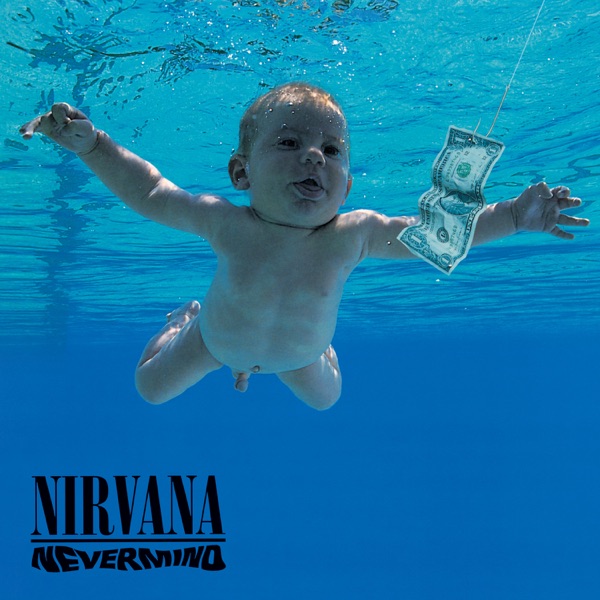
If you only play one alternative rock album, make it Nevermind: the record that took the underground mainstream in 1991, and the hooks still hold.
Part of Grunge →Where to start: 8 alternative rock albums, in order
Click a cover to hear 30-second previews. Start at the top; each record takes you a little further.
- 01
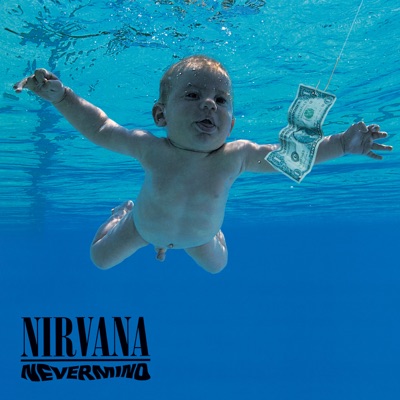
Nevermind
The hooks land instantly: 'Smells Like Teen Spirit' and 'Come as You Are' turned heavy, punk-rooted guitar music into radio pop without losing the force. Start here because nothing else in the genre is this immediate.
Grunge 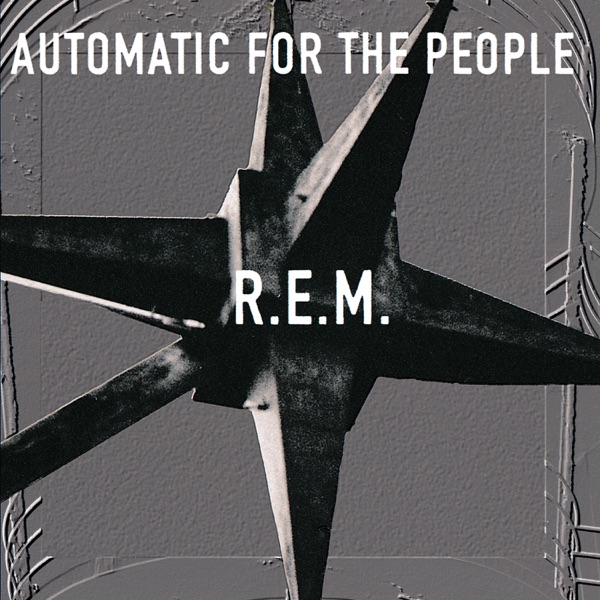 02
Automatic for the People
String arrangements and warm, direct songs — 'Everybody Hurts' and 'Man on the Moon' — from a band easing fully into the mainstream. An easy second step if you want melody before noise.
 03
Siamese Dream
Layers of guitar that still carry a melody, with 'Today' and 'Disarm' huge and tender at once. Shows how alternative rock could be heavy and pretty in the same song.
 04
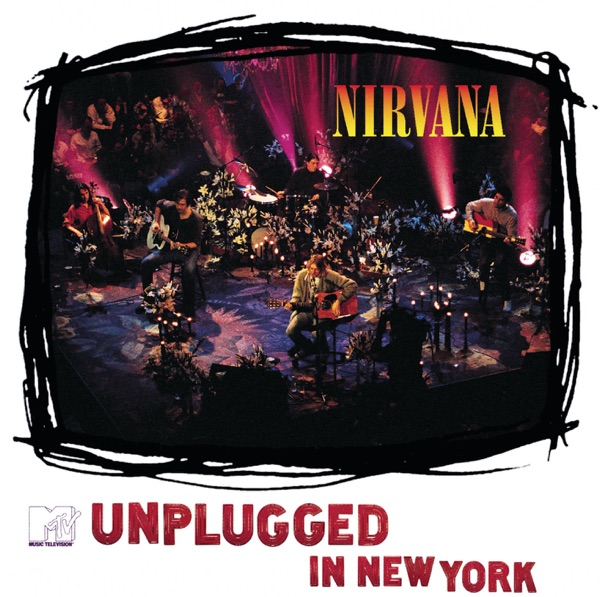
MTV Unplugged in New York
Recorded live in 1993 for MTV, it strips the band down: their own songs plus covers of David Bowie and Lead Belly, with the melodies laid bare under the noise.
Grunge 05
Achtung Baby
Recorded in Berlin and Dublin, U2 reworked their stadium sound with industrial rhythms and distortion while keeping the big choruses. A reminder that 'alternative' was a lane arena bands moved into, too.
 06
Doolittle
Surreal songwriting built on loud-quiet-loud shifts: verses whisper, choruses explode, and the melodies stick. A template the 90s alternative boom drew on heavily.
Indie rock 07
Murmur
The record that defined college rock: jangly guitars, half-buried vocals and oblique lyrics, made on a small label and spread by college radio. Deeper, but this is where the US underground starts.
College rock 08
OK Computer
The genre's most demanding turn: paranoia, machinery and layered guitars built into long, ambitious songs. Last because it rewards attention more than anything else here.
Indie rock
Previews courtesy of Apple Music.
Which one did you like best? Its tag below the cover is the branch to dig into next.
How alternative rock grew
5 periods, each with the branches that appeared in it. Branches with a dot have their own page.
- Late 1970s – mid-1980s
Post-punk and the college-radio underground
Alternative rock grew out of punk and post-punk, carried by independent labels, fanzines and college radio. R.E.M. built a following on college stations and constant touring, and Britain's indie scene and the jangly Paisley Underground set early templates.
On the route: record 6, record 7, record 8
- 1985–1989
Guitars get louder
Guitars came back noisy: Pixies turned quiet-loud dynamics into a template, noise pop and shoegaze buried melodies under feedback, and in Seattle the first grunge bands formed.
On the route: record 1, record 4
- 1990–1994
The underground goes mainstream
Nirvana's Nevermind made alternative rock the center of American music in 1991, and grunge went global. Britain answered with Britpop, Madchester and shoegaze, and the first post-grunge bands followed.
- 1995–2005
After the boom
After Kurt Cobain's death in 1994, post-grunge and post-Britpop smoothed the sound for radio, while indie rock and a post-punk revival kept the underground alive and the Strokes and the White Stripes led a garage revival in the early 2000s.
- 2006 onward
Streaming and a looser label
In the streaming era, 'alternative' became as much a marketing label as a sound. Soft grunge, SoundCloud indie and bedroom lo-fi blurred the lines between indie, pop and R&B, and the genre's reach went global.
The full lineage tree
Bright border: has its own pageDashed: sources that flowed inSolid line: documented stylistic originFaint dashes: grouped under alternative rockHover a genre to see where it came from and went
Pick a branch of alternative rock
The 7 branches people play most. Each has its own 8 albums and lineage.
 1980sCollege rockEarly-1980s US bands broken through college radio: jangly guitars and enigmatic, half-mumbled vocals.Open on the genre map →
 1980sIndie rockThe broad DIY guitar label: melodic and often jangly, usually made for independent labels.Open on the genre map →
 1980sNoise popPop melodies half-buried under feedback and distortion.Open on the genre map →
 1980sGrungeHeavy, sludgy guitars and anguished vocals; Seattle's underground gone mainstream.Open on the genre map →
 1990sBritpopThe UK's answer to grunge: big choruses, 1960s guitar pop and British themes.Open on the genre map →
- 1980sDream popSoft, hazy guitars and echoed vocals; atmosphere over riffs.Open on the genre map →
- 1980sAlternative metalMetal's weight with alternative hooks and odd meters.Open on the genre map →
Go deeper
What we have written about alternative rock, newest first.
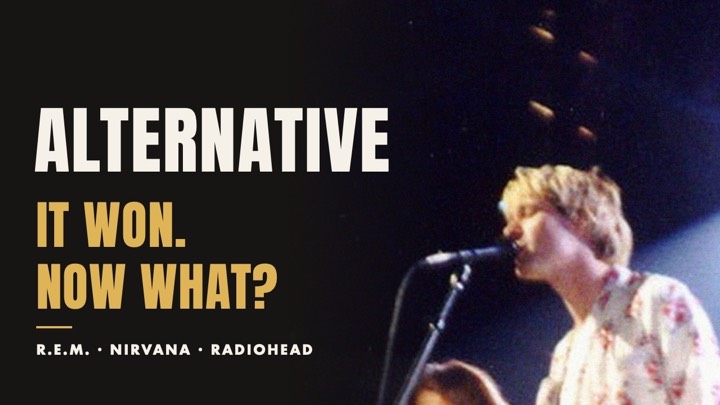 ▶ Includes videoAlternative Rock History: R.E.M., Nirvana, Radiohead and Selling OutAlternative rock was a road around the music industry until 1992, when the industry embraced it. How R.E.M., Nirvana and Radiohead each answered success, and what it cost them.
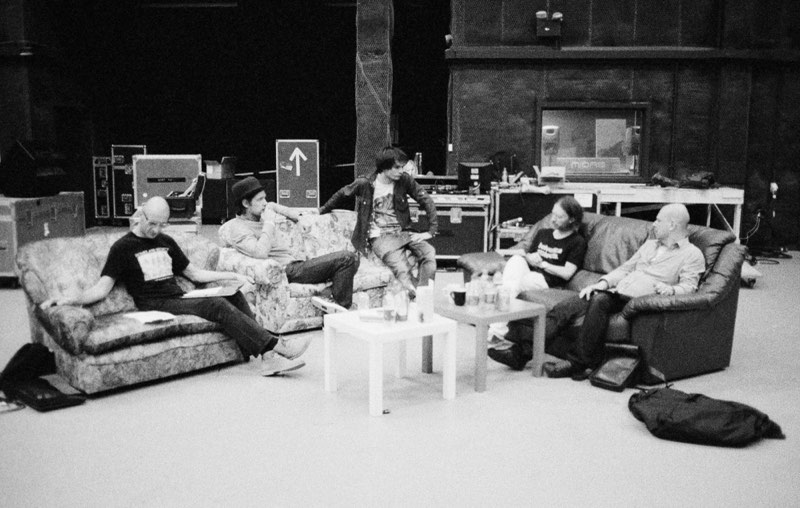 Radiohead: Five People, One Constantly Changing RoomFrom the rehearsal room at Abingdon School to the era anxiety of OK Computer, the sonic reconfiguration of Kid A, and the reapproach of In Rainbows, this retrospective follows the choices of the five members and their long-time collaborators to look back on Radiohead's music, friendship, and change. Includes all nine studio albums plus three alternative rock extended recommendations.
Subscribe on YouTube
Our videos that touch on alternative rock. Subscribe to the channel for new ones.
How Alternative Rock Became Everything It HatedWatch on YouTube ↗
See alternative rock on the genre map
Its place among more than 1,200 genres, next to its neighbors.
Open the genre map →
Keep digging alternative rock in Cratto
Scan your records, light up your own genre globe, and see how much of your shelf is alternative rock.
Get Cratto →All 19 subgenres of alternative rockby decade
Genres alternative rock directly influenced25
Genre names and classification follow Wikipedia (Alternative rock, List of music genres and styles), CC BY-SA 4.0; lineage lines follow the stylistic origins each genre's entry records. Album artwork and previews come from Apple Music.