



Genre · United States, late 1940s
Rock
Where to start with rock: A Hard Day's Night, then seven more albums below, in order.
Rock grew out of rock and roll, which took shape in the United States in the late 1940s and early 1950s by fusing blues, rhythm and blues, country and gospel. By the mid-1960s the name covered a wider music built around the electric guitar, bass and drums, sung in verse-chorus songs over a steady backbeat.
Listen for three things. The guitar, which leads and keeps the texture. The rhythm section, bass and drums locked into the beat. And the voice, carrying the melody over the noise — Chuck Berry, Little Richard, Jimi Hendrix and Kurt Cobain each pushed it a different way.


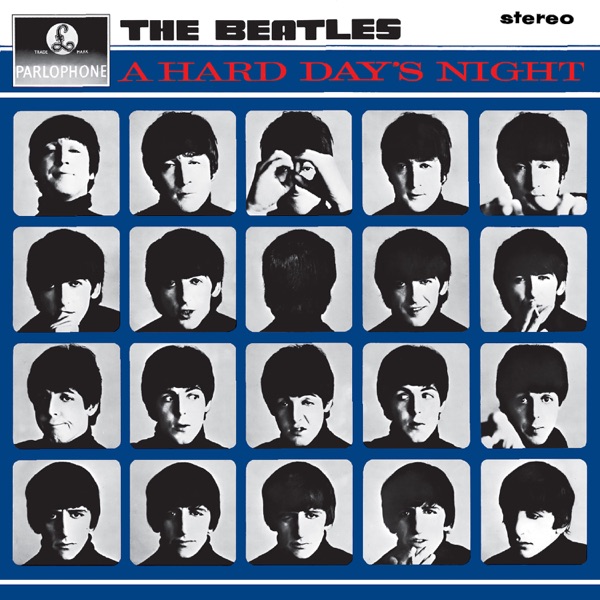
If you only play one rock album, make it this one: short, bright, harmonized songs that show the whole form's engine.
Part of Beat music →Where to start: 8 rock albums, in order
Click a cover to hear 30-second previews. Start at the top; each record takes you a little further.
- 01
A Hard Day's Night
Thirteen Lennon–McCartney songs, no covers, played bright and fast; the title track's opening chord and the close harmonies are early rock at full charge.
Beat music  02
Led Zeppelin IV
'Black Dog', 'Rock and Roll' and 'Stairway to Heaven' on one record: heavy riffs and folk textures that stay melodic.
Hard rock 03
Revolver
The Beatles turning the studio into an instrument: tape loops, backwards guitar and Indian strings, with 'Eleanor Rigby' and 'Here, There and Everywhere' keeping it tuneful.
Psychedelic rock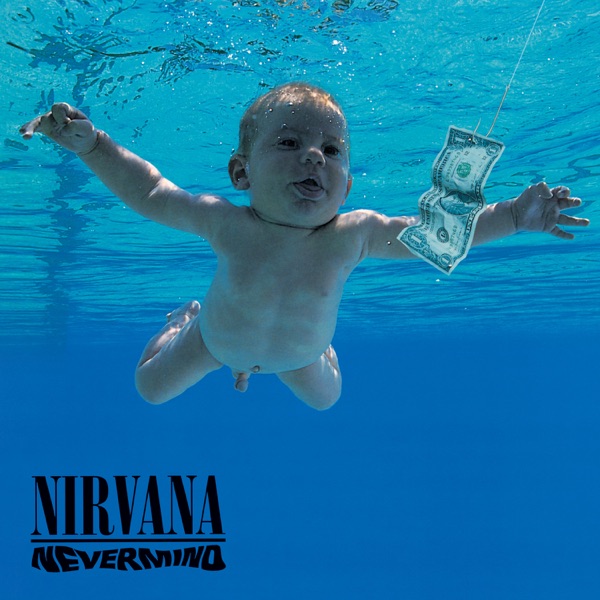 04
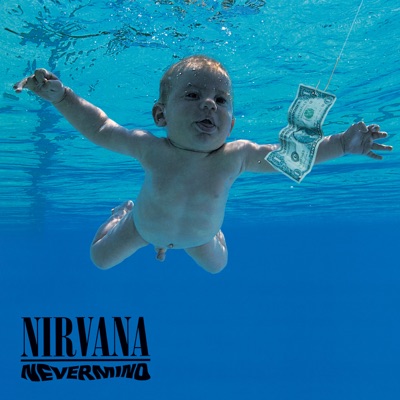
Nevermind
Quiet verses, loud choruses and Kurt Cobain's melodies; the record that put alternative rock on the radio.
Alternative rock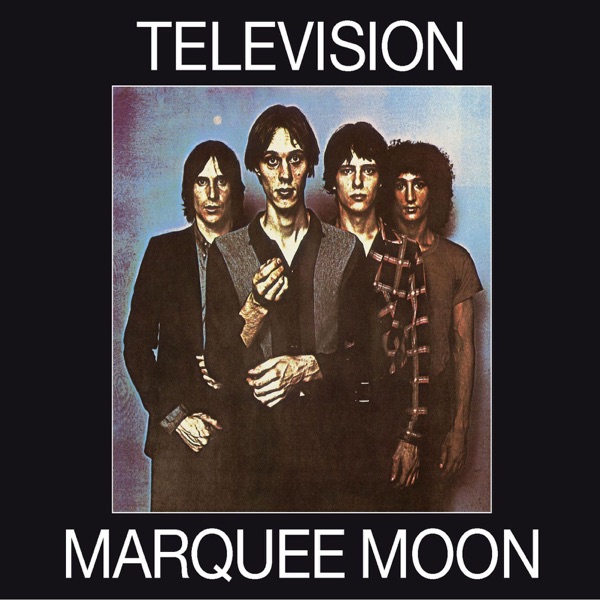 05
Marquee Moon
Two guitars weave melodic lines and counter-melodies around each other in long, precise pieces; punk's energy with art-school patience.
Punk rock 06
The Velvet Underground & Nico
Drones, viola noise and plain-spoken songs about city life, made with Andy Warhol and the singer Nico; its influence outran its sales.
Experimental rock 07
John Lennon/Plastic Ono Band
Guitar, piano, bass and drums with little else; Lennon sings about childhood, belief and loss, raw enough to be uncomfortable.
 08
Sgt. Pepper's Lonely Hearts Club Band
A studio-built song cycle that treats the album as a single experience: sound effects, orchestral textures, and songs that flow into one another. It fills the landmark-concept-album slot Dark Side of the Moon would have held.
Previews courtesy of Apple Music.
Which one did you like best? Its tag below the cover is the branch to dig into next.
How rock grew
5 periods, each with the branches that appeared in it. Branches with a dot have their own page.
- 1940s–1950s
Rock and roll
Rock began as rock and roll, a blend of blues, rhythm and blues, country and gospel. Chuck Berry, Little Richard and Elvis Presley set the template, and rockabilly and Latin rock grew up beside it.
- 1960–1964
The beat boom and garage rock
Beat groups led by the Beatles brought guitar-band rock across the Atlantic, while thousands of young bands answered with rough three-chord songs in garages and clubs. Soft rock and instrumental rock filled the radio in between.
On the route: record 1
- 1965–1969
Psychedelia and the album era
Studios became instruments. Psychedelic rock stretched songs with effects and drones, hard rock turned up the volume, and progressive and experimental rock pushed the album toward long forms.
On the route: record 2, record 3, record 6
- 1970s
Arena stages, glam and punk
Rock split between the huge and the small: arena rock, glam and heavy metal aimed at stadiums, while punk and new wave stripped the music back to speed and direct anger. Southern and heartland rock kept a rootsier line.
On the route: record 5
- 1980s onward
Alternative and after
Alternative rock grew from punk's independence and reached the mainstream in the 1990s with Nirvana. Rock kept splintering into local and hybrid scenes: visual kei in Japan, punk blues and rap rock.
On the route: record 4
The full lineage tree
Bright border: has its own pageDashed: sources that flowed inSolid line: documented stylistic originFaint dashes: grouped under rockHover a genre to see where it came from and went
Pick a branch of rock
The 8 branches people play most. Each has its own 8 albums and lineage.
 1940sRock and rollBlues and country over a driving backbeat, built for dancing.Open on the genre map →
 1960sBeat musicTight harmonies, ringing guitars and short, hook-filled songs.Open on the genre map →
 1960sPsychedelic rockEffects, drones and stretched-out songs that open up.Open on the genre map →
 1960sHard rockLoud riff guitar, a heavy rhythm section and a singer pushing on top.Open on the genre map →
- 1960sProgressive rockLong, composed pieces, odd meters and concept albums.8 albums · open →
 1970sPunk rockFast, brief and loud; three chords and direct, angry words.Open on the genre map →
 1970sAlternative rockGuitar noise with melodies and quiet-loud shifts, sung with a sideways attitude.8 albums · open →
 1960sExperimental rockRock's tools turned on themselves: drones, noise and unusual forms.Open on the genre map →
Go deeper
What we have written about rock, newest first.
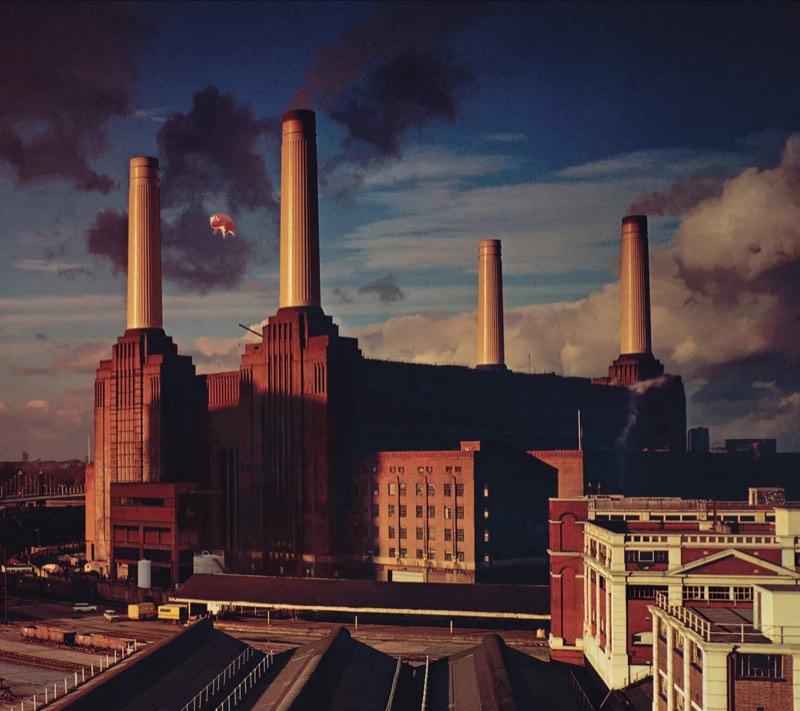 Pink Floyd, Album by Album: From Pompeii's Echoes to The WallAn empty Roman amphitheatre in 1971, Syd's exit and four men relearning how to write songs, the prism, the burning handshake, the pig over Battersea — and where to start listening.
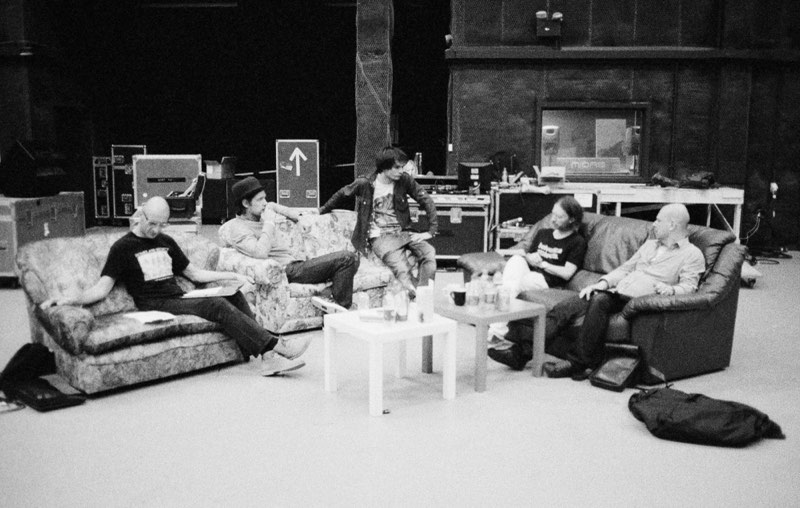 Radiohead: Five People, One Constantly Changing RoomFrom the rehearsal room at Abingdon School to the era anxiety of OK Computer, the sonic reconfiguration of Kid A, and the reapproach of In Rainbows, this retrospective follows the choices of the five members and their long-time collaborators to look back on Radiohead's music, friendship, and change. Includes all nine studio albums plus three alternative rock extended recommendations.
See rock on the genre map
Its place among more than 1,200 genres, next to its neighbors.
Open the genre map →
Keep digging rock in Cratto
Scan your records, light up your own genre globe, and see how much of your shelf is rock.
Get Cratto →All 41 subgenres of rockby decade
1940s
1960s
1970s
Genres rock directly influenced51
Genre names and classification follow Wikipedia (Rock, List of music genres and styles), CC BY-SA 4.0; lineage lines follow the stylistic origins each genre's entry records. Album artwork and previews come from Apple Music.