




Genre · Southern United States, 1920s
Country
Where to start with country: At Folsom Prison, then seven more albums below, in order.
Country music came out of the rural American South in the 1920s, when record companies began recording fiddle bands and singers of old-time songs, ballads and blues. The Carter Family and Jimmie Rodgers, both first recorded in Bristol, Tennessee, in 1927, are often called its founders.
Listen for three things. The story, told plainly in the lyric. The voice, often with a twang or a catch. And the instruments: fiddle, steel guitar, banjo and acoustic guitar. Johnny Cash, Dolly Parton and Willie Nelson each use them in their own way.


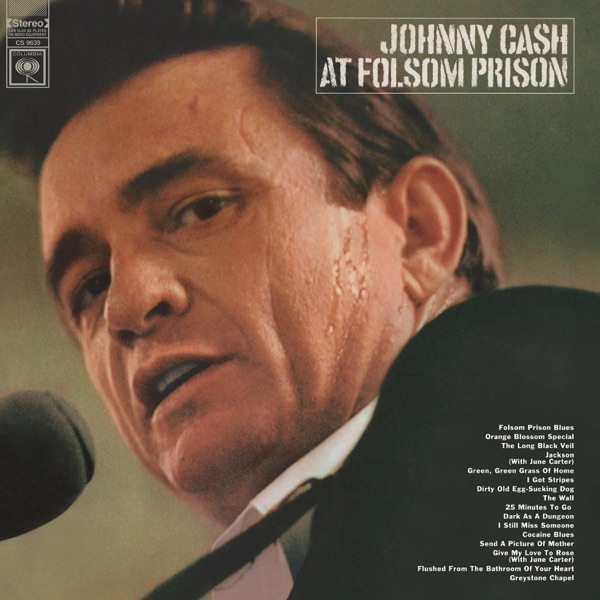
If you only play one country album, make it this one: Johnny Cash playing for the inmates of Folsom Prison, raw, dark and funny.
Part of Classic country →Where to start: 8 country albums, in order
Click a cover to hear 30-second previews. Start at the top; each record takes you a little further.
- 01
At Folsom Prison
Recorded live at Folsom State Prison in California in January 1968; 'Folsom Prison Blues' draws a roar from the crowd.
Classic country  02
Coat of Many Colors
The title song tells of a coat her mother sewed out of rags; plain, clear storytelling in a bright voice.
 03
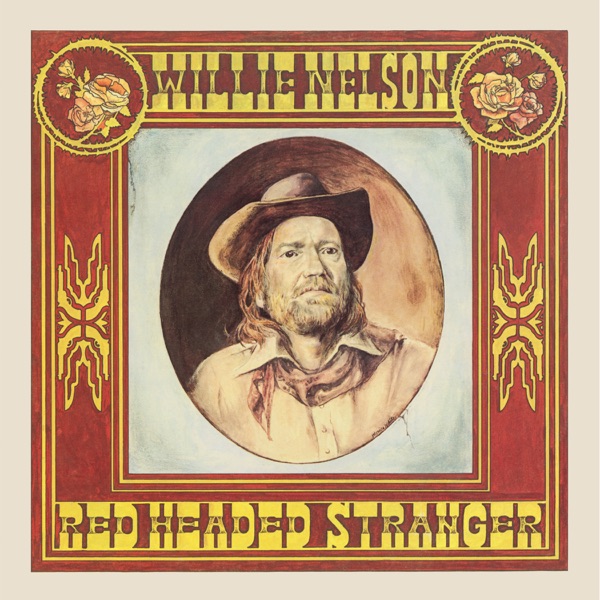
Red Headed Stranger
A sparse concept album about a preacher on the run, recorded cheaply in Texas; 'Blue Eyes Crying in the Rain' became a hit.
Outlaw country 04
Showcase
Patsy Cline with the Jordanaires and Nashville session players; 'Crazy' and 'I Fall to Pieces' are the polished Nashville sound.
Nashville sound 05
Mama Tried
Merle Haggard and the Strangers with bright Telecaster twang; the title song draws on his own time in prison.
Bakersfield sound 06
Grievous Angel
Gram Parsons and Emmylou Harris sing harmony on country and rock songs; it came out after his death in 1973.
Country rock 07
Golden Hour
Disco, soft rock and pop shine around careful country songwriting; it won the Grammy for Album of the Year.
Country pop 08
Van Lear Rose
Loretta Lynn at 72, produced by Jack White: her life stories sung over raw, rocking arrangements.
Alternative country
Previews courtesy of Apple Music.
Which one did you like best? Its tag below the cover is the branch to dig into next.
How country grew
5 periods, each with the branches that appeared in it. Branches with a dot have their own page.
- 1920s–1930s
Records and radio
The 1927 Bristol sessions introduced the Carter Family and Jimmie Rodgers, whose blue yodel became a style of its own. Radio shows such as the Grand Ole Opry carried the music across the South.
- 1940s–1950s
Honky-tonk and bluegrass
Hank Williams sang plain heartbreak in honky-tonk style, Bill Monroe built bluegrass around fast banjo and fiddle, and Nashville producers smoothed the sound with strings and backing choirs.
On the route: record 4, record 5
- 1960s
Nashville and Bakersfield
Patsy Cline and the Nashville sound reached pop radio, while Buck Owens and Merle Haggard kept it lean in Bakersfield, California. Rock bands began to play country.
On the route: record 6
- 1970s
Outlaws and crossovers
Willie Nelson and Waylon Jennings took control of their own records, and outlaw country answered the polish of Nashville. Country pop crossed over into the charts.
On the route: record 3, record 7
- 1980s onward
Back to the roots, and onward
Neotraditional singers returned to fiddles and steel guitars, alternative country grew out of punk and indie rock, and country rap and bro-country brought in hip-hop and arena rock.
On the route: record 8
The full lineage tree
Bright border: has its own pageDashed: sources that flowed inSolid line: documented stylistic originFaint dashes: grouped under countryHover a genre to see where it came from and went
Pick a branch of country
The 8 branches people play most. Each has its own 8 albums and lineage.
 1930sHonky-tonkPlain heartbreak songs with fiddle and steel guitar.Open on the genre map →
 1940sBluegrassFast banjo, fiddle and mandolin with high, close harmony.Open on the genre map →
 1950sNashville soundSmooth strings and backing choirs around the singer.Open on the genre map →
 1950sBakersfield soundTwangy electric guitars and a lean, driving beat.Open on the genre map →
 1970sOutlaw countryRougher, self-produced country with a rock and folk attitude.Open on the genre map →
 1960sCountry rockRock bands playing country songs and harmonies.Open on the genre map →
 1970sCountry popCountry songs with pop production and big hooks.Open on the genre map →
 1980sAlternative countryCountry roots played with punk and indie spirit.Open on the genre map →
See country on the genre map
Its place among more than 1,200 genres, next to its neighbors.
Open the genre map →
Keep digging country in Cratto
Scan your records, light up your own genre globe, and see how much of your shelf is country.
Get Cratto →All 27 subgenres of countryby decade
1790s
1930s
1940s
1960s
1990s
Genres country directly influenced23
Genre names and classification follow Wikipedia (Country, List of music genres and styles), CC BY-SA 4.0; lineage lines follow the stylistic origins each genre's entry records. Album artwork and previews come from Apple Music.