


Genre · American Deep South, late 1800s
Blues
Where to start with the blues: Live at the Regal, then seven more albums below, in order.
The blues grew in Black communities in the American Deep South around the end of the 19th century, out of work songs, field hollers and spirituals. Its most familiar form is twelve bars long, with a line sung, repeated and then answered.
Listen for three things. The bent 'blue' notes that sit between major and minor. The call and response between voice and guitar. And the feeling, sorrow and humor at once. Robert Johnson played it alone on an acoustic guitar, Muddy Waters made it electric in Chicago, and B. B. King made the guitar sing.


If you only play one blues album, make it this one: B. B. King live in Chicago, his guitar answering every line and the crowd answering him.
Part of Electric blues →Where to start: 8 the blues albums, in order
Click a cover to hear 30-second previews. Start at the top; each record takes you a little further.
- 01
Live at the Regal
Recorded at Chicago's Regal Theater in 1964; 'Every Day I Have the Blues' and 'Sweet Little Angel' show the back and forth between King, his guitar and the audience.
Electric blues 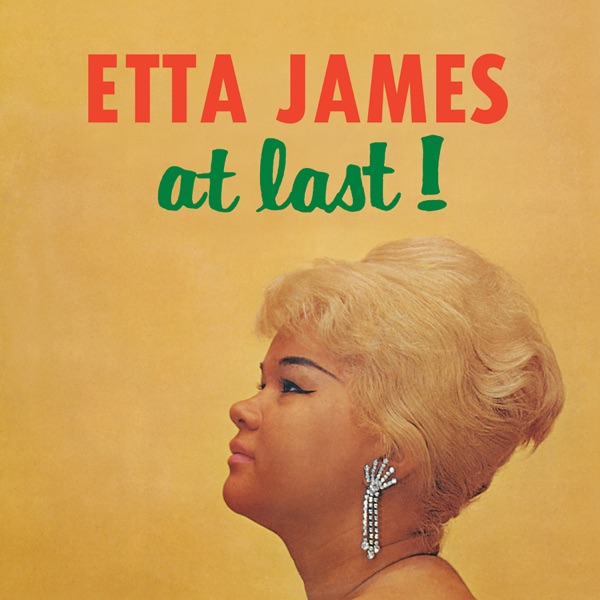 02
At Last!
Her first album for Argo, blues and ballads with strings; the title track became her signature song.
 03
Moanin' in the Moonlight
His first album, collecting singles for Chess, with 'Smokestack Lightnin'' and 'Evil': a huge, rough voice over electric Chicago blues.
Chicago blues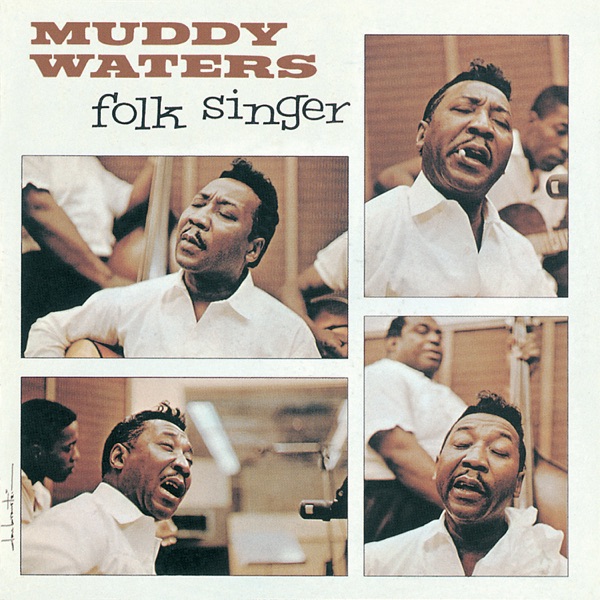 04
Folk Singer
Muddy Waters back on acoustic guitar with Buddy Guy and Willie Dixon; quiet and close, it shows the Delta roots under his Chicago sound.
 05
Blues Breakers with Eric Clapton
John Mayall's band with a young Eric Clapton, covering Freddie King and Otis Rush; it set the sound of British blues guitar.
British blues 06
Ice Pickin'
His first album for Alligator: a stinging Telecaster tone and wry, half-spoken stories in the Texas style.
Texas blues 07
King of the Delta Blues Singers
His 1936 and 1937 recordings, collected on LP in 1961: one voice and one guitar, with 'Cross Road Blues' and 'Hellhound on My Trail'.
Delta blues 08
Savane
His last album, recorded in Mali; it ties the blues back to West African guitar music.
Desert blues
Previews courtesy of Apple Music.
Which one did you like best? Its tag below the cover is the branch to dig into next.
How the blues grew
5 periods, each with the branches that appeared in it. Branches with a dot have their own page.
- 1890s–1910s
Songs of the South
The blues spread through the South with travelling musicians, in juke joints, on street corners and in tent shows. Sheet music and the first recordings followed.
On the route: record 6
- 1920s–1930s
Records and country blues
Bessie Smith and Ma Rainey made the first big blues records, and solo singers with acoustic guitars recorded in the Mississippi Delta, Texas and the Piedmont. Charley Patton, Blind Lemon Jefferson and Robert Johnson set styles later players learned by heart.
On the route: record 3, record 7
- 1940s–1950s
Electric blues
Musicians who moved north plugged in. Muddy Waters and Howlin' Wolf made Chicago blues for Chess Records, and jump blues fed straight into rock and roll.
On the route: record 1, record 5
- 1960s
The blues abroad
British bands such as the Rolling Stones and John Mayall's Bluesbreakers learned the music off Chicago records, and blues rock carried it into stadiums.
- 1970s onward
Around the world
Players in Mali, Turkey and elsewhere made the blues their own, and desert blues out of the Sahara found listeners around the world.
On the route: record 8
The full lineage tree
Bright border: has its own pageDashed: sources that flowed inSolid line: documented stylistic originFaint dashes: grouped under the bluesHover a genre to see where it came from and went
Pick a branch of the blues
The 8 branches people play most. Each has its own 8 albums and lineage.
 1920sDelta bluesOne voice and an acoustic guitar, often played with a slide.Open on the genre map →
 1920sChicago bluesAmplified guitar, harmonica and a full band.Open on the genre map →
- 1940sElectric bluesThe blues plugged in, with stinging lead guitar.Open on the genre map →
 1910sTexas bluesSwinging, jazzy guitar lines and a looser feel.Open on the genre map →
 1950sBritish bluesLondon bands playing Chicago blues with rock energy.Open on the genre map →
 1960sBlues rockLoud guitars and long solos over a blues frame.Open on the genre map →
 1930sJump bluesUp-tempo blues with horns, built for dancing.Open on the genre map →
 1980sDesert bluesHypnotic West African guitar riffs over steady grooves.Open on the genre map →
See the blues on the genre map
Its place among more than 1,200 genres, next to its neighbors.
Open the genre map →
Keep digging the blues in Cratto
Scan your records, light up your own genre globe, and see how much of your shelf is the blues.
Get Cratto →All 29 subgenres of the bluesby decade
1890s
1900s
1930s
1960s
1970s
2000s
Genres the blues directly influenced42
Genre names and classification follow Wikipedia (Blues, List of music genres and styles), CC BY-SA 4.0; lineage lines follow the stylistic origins each genre's entry records. Album artwork and previews come from Apple Music.