




Genre · Rock · United Kingdom and United States, late 1960s
Progressive Rock
Where to start with progressive rock: The Dark Side of the Moon, then seven more albums below, in order.
Progressive rock took shape in England in the late 1960s, when psychedelic bands stopped writing three-minute singles and began borrowing ideas from classical, jazz and folk: longer tracks, shifting time signatures, concept albums and a new leading role for the recording studio. The rock lineup stayed — guitar, bass, drums and keyboards — but the songs grew into suites.
The defining years ran through the 1970s, when King Crimson, Yes, Genesis, Emerson, Lake & Palmer, Jethro Tull and Pink Floyd turned the style into a stadium draw. Listen for the long instrumental passages, the Mellotron and organ, and the literary or fantastical lyrics; most of the music here is built to be heard as a whole album, not as singles.


If you only play one progressive rock album, make it this one: melodic, spacious and complete in 43 minutes, and it still outsells almost everything in the genre.
Where to start: 8 progressive rock albums, in order
Click a cover to hear 30-second previews. Start at the top; each record takes you a little further.
- 01
The Dark Side of the Moon
The smoothest door into the genre: melodic songs, big themes and studio craft, with 'Money' and 'Time' still on rock radio. Start here before the longer suites.
 02
A Night at the Opera
Rock songs with operatic ambition: 'Bohemian Rhapsody' packs a mini-suite into six minutes, and the rest of the album mixes music hall and hard rock.
Progressive pop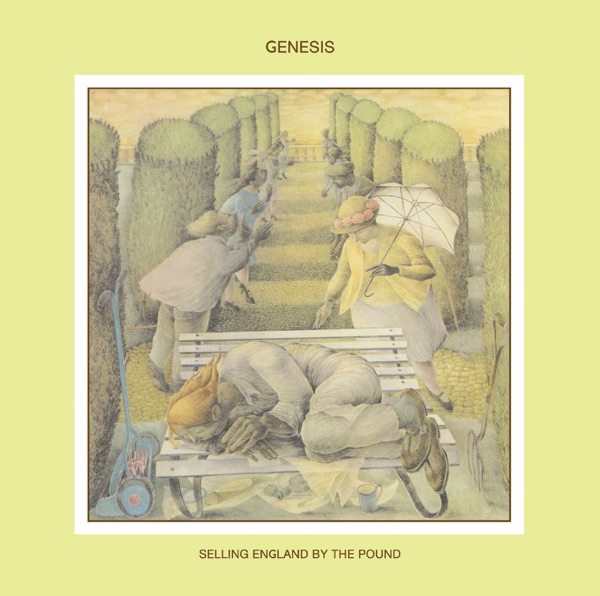 03
Selling England by the Pound
The English storytelling side of prog: pastoral guitar, theatrical vocals and long pieces like 'Firth of Fifth' that stay melodic while they stretch.
 04
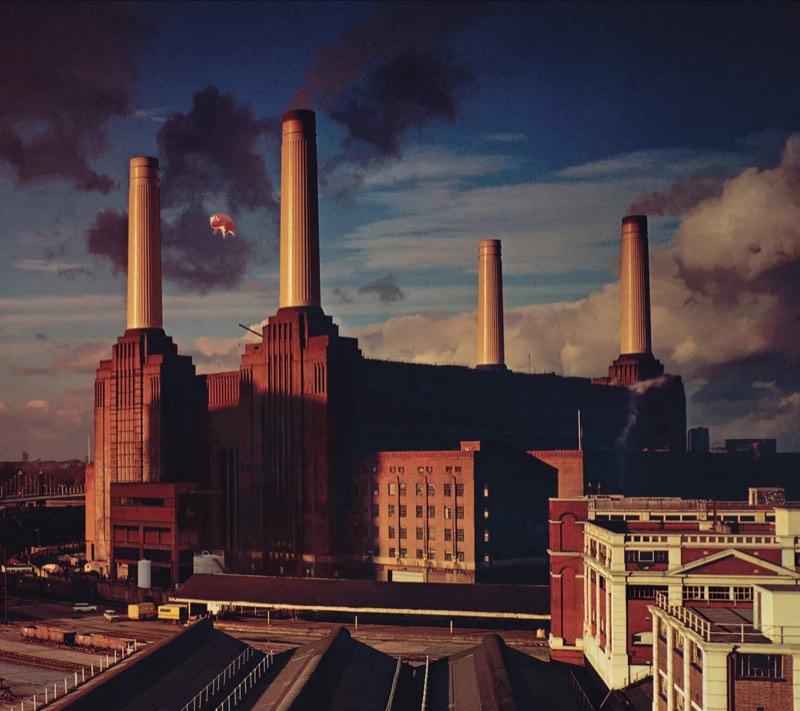
Wish You Were Here
A step deeper: the two-part 'Shine On You Crazy Diamond' unfolds slowly across the album, with shorter songs as landmarks along the way.
 05
Close to the Edge
The long-form suite done right: an 18-minute title track built from shifting sections, with Jon Anderson's voice and Rick Wakeman's keyboards on top.
 06
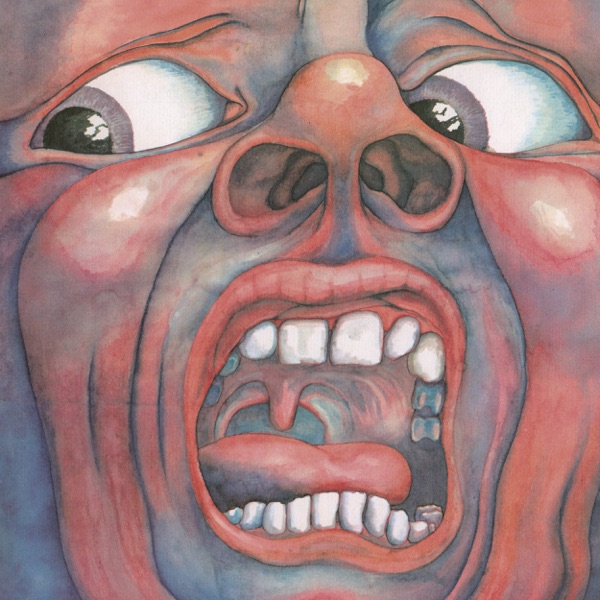
In the Court of the Crimson King
The album that defined the genre's darker side, with the distorted '21st Century Schizoid Man' and the Mellotron haze of the title track. More demanding, but this is the blueprint.
 07
Fear of a Blank Planet
A modern concept album about teenage disconnection, with heavy riffs and clean melodies; proof the 1970s toolkit still works.
 08
Blackwater Park
Progressive metal at full weight: long songs, shifting meters and growled vocals mixed with clean passages. The hardest listen here, and the doorway to the metal side.
Progressive metal
Previews courtesy of Apple Music.
Which one did you like best? Its tag below the cover is the branch to dig into next.
How progressive rock grew
5 periods, each with the branches that appeared in it. Branches with a dot have their own page.
- 1966–1969
Psychedelic roots
The Beatles' Sgt. Pepper's Lonely Hearts Club Band (1967) showed rock could borrow from classical music and treat the studio as an instrument. Psychedelic bands stretched songs past the three-minute single, and the first fully prog bands took shape in England and Germany.
- 1969–1974
The classic era
King Crimson's In the Court of the Crimson King (1969) set the template: long tracks, shifting meters, Mellotron and literary lyrics. Yes, Genesis, Emerson, Lake & Palmer, Jethro Tull and Pink Floyd made the style a stadium draw, and the concept album became the standard form.
- 1975–1981
Punk and the lean years
Punk declared the long solo and the concept album dead, and some bands splintered or simplified. But the audience stayed: Pink Floyd and Yes still filled arenas, and the quieter, artier end of the style carried on.
- 1982–1991
Neo-prog and metal crossover
Marillion, IQ and their peers revived the classic 1970s sound with modern production, while Rush and Dream Theater brought prog's complexity into metal. By the end of the decade, progressive metal had its own audience.
On the route: record 8
- 1992 onward
Metal, post-rock and revival
Progressive metal became the style's commercial centre, carried by Dream Theater, Tool and Opeth. Post-rock, math rock and post-metal borrowed prog's long structures without the solos, and the internet gave older bands a second life.
The full lineage tree
Bright border: has its own pageDashed: sources that flowed inSolid line: documented stylistic originFaint dashes: grouped under progressive rockHover a genre to see where it came from and went
Pick a branch of progressive rock
The 4 branches people play most. Each has its own 8 albums and lineage.
 1960sCanterbury sceneWry English songs, fuzz organ, jazzy chords and odd time signatures, often with a sense of humour.Open on the genre map →
 1970sZeuhlChanted, operatic vocals over heavy repetition and martial drums, often sung in an invented language.Open on the genre map →
 1980sProgressive metalMetal's weight and riffs with prog's odd meters, long forms and instrumental workouts.Open on the genre map →
 1980sNeo-progA 1980s revival of the 1970s sound: synthesizers, big choruses and theatrical vocals.Open on the genre map →
Go deeper
What we have written about progressive rock, newest first.
See progressive rock on the genre map
Its place among more than 1,200 genres, next to its neighbors.
Open the genre map →
Keep digging progressive rock in Cratto
Scan your records, light up your own genre globe, and see how much of your shelf is progressive rock.
Get Cratto →All 7 subgenres of progressive rockby decade
Genres progressive rock directly influenced17
Genre names and classification follow Wikipedia (Progressive rock, List of music genres and styles), CC BY-SA 4.0; lineage lines follow the stylistic origins each genre's entry records. Album artwork and previews come from Apple Music.