


Genre · J-pop · Tokyo, mid-1970s
City pop: 8 essential albums to start with
Start with Variety, then seven more below, in order.
City pop is Japanese pop music of the late 1970s and the 1980s, made for a Tokyo that was getting richer: smooth, studio-polished songs built on American AOR, soft rock, funk, disco and jazz fusion, often about night drives, the seaside and city life. The name was loose even then; the style grew out of Japan’s Western-influenced “new music” scene.
Listen for the session players as much as the singers. A small circle of musicians and producers, Tatsuro Yamashita and Haruomi Hosono among them, shaped many of these records. Decades later the music found a second, worldwide audience online, through YouTube recommendations, streaming playlists and samples in vaporwave and future funk.


Variety holds “Plastic Love”, the song that brought most new listeners to city pop, and Tatsuro Yamashita’s production shows the whole sound in one record.
Where to start: 8 city pop albums, in order
Click a cover to hear 30-second previews. Start at the top; each record takes you a little further.
- 01
Variety
Mariya Takeuchi’s 1984 album, produced by Tatsuro Yamashita, with the polished funk of “Plastic Love”: the easiest way in.
First track: Plastic Love
 02
A Long Vacation
Eiichi Ohtaki’s layered, echoing take on 1960s American pop, with lyrics by Takashi Matsumoto and Hiroshi Nagai’s poolside cover art.
First track: Kimi wa Tennenshoku
 03
Timely!!
Anri at her commercial peak, produced by Toshiki Kadomatsu: bright, danceable songs, including the “Cat’s Eye” anime theme.
First track: Kanashimi ga Tomaranai
 04
Pocket Park
Miki Matsubara’s debut opens with “Mayonaka no Door (Stay With Me)”, the 1979 single that became a worldwide streaming hit in 2020.
First track: Mayonaka no Door (Stay With Me)
 05
Sunshower
Taeko Ohnuki’s second album leans toward jazz and fusion; quieter and cooler than the four before it.
First track: Tokai
 06
Light'n Up
Minako Yoshida at her funkiest: long grooves and a voice strong enough to carry them.
First track: Light'n Up
 07
Pacific
Instrumentals themed on the Pacific islands, by three of the musicians behind the sound; “Cosmic Surfin’” later turned up on Yellow Magic Orchestra’s debut.
First track: Cosmic Surfin'
 08
Awakening
Keyboard player Hiroshi Sato’s 1982 solo album: smooth, studio-built and the most electronic record here, a deeper cut to finish.
First track: Blue and Moody Music
Seven more city pop albums
Once the first eight feel familiar, keep going here. Each one comes with a track to start on.

Fuyü-Kükan
Tomoko Aran’s 1983 album; “Midnight Pretenders” was sampled by The Weeknd on “Out of Time” in 2022.
First track: Midnight Pretenders

Love Trip
Takako Mamiya’s only album: late-night pop from 1982 with a jazz edge.
First track: Mayonaka no Joke

Mignonne
Taeko Ohnuki’s third album, warmer and more pop than Sunshower.
First track: Totsuzen no Okurimono

Monochrome
Minako Yoshida two years before Light’n Up: slower and moodier, the same voice.
First track: Midnight Driver

Midnight Cruisin'
Singer-songwriter Kingo Hamada’s 1982 album of late-night city songs.
First track: Midnight Cruisin'

Cobalt Hour
Yumi Arai (later Yumi Matsutoya) in 1975, backed by Tin Pan Alley; “Rouge no Dengon” was later heard in Kiki’s Delivery Service.
First track: Rouge no Dengon

Adventure
Idol singer Momoko Kikuchi’s 1986 album: city pop at its glossiest.
First track: Night Cruising
Previews courtesy of Apple Music.
How city pop grew
5 periods, each with the records on this page that came out of it.
- 1973–1979
Session players and a new sound
Sugar Babe, the band Tatsuro Yamashita and Taeko Ohnuki started in 1973, and the session group Tin Pan Alley, with Haruomi Hosono and Shigeru Suzuki, brought American soft rock and soul arranging into Japanese pop. Their own records sold modestly, but the same players turned up on many of the albums that followed.
On this page: record 5, record 7, Mignonne, Cobalt Hour
- 1980–1985
The boom years
As Japan’s economy grew, labels spent freely on studio time. Mariya Takeuchi, Anri, Minako Yoshida and Eiichi Ohtaki made polished records with the best session players in Tokyo, and the Walkman and the car stereo made it music for moving through the city.
On this page: record 1, record 2, record 3, record 4, record 6, record 8, Fuyü-Kükan, Love Trip, Monochrome, Midnight Cruisin'
- 1986–1990
Gloss and the bubble
In the late-1980s bubble economy the sound turned glossier and spread into idol pop, as on Momoko Kikuchi’s records, while the session sound became the default for much of Japanese pop.
On this page: Adventure
- 1990s
Into J-pop and Shibuya-kei
After the bubble burst, the name fell out of use as “J-pop” took over the charts. Tokyo’s Shibuya-kei bands kept its taste for cosmopolitan, crate-dug pop alive in a new form.
- 2010s–
Found again online
Collectors abroad began digging up the records, vaporwave and future funk producers sampled them, and YouTube recommendations made “Plastic Love” a worldwide favourite. In 2020 Miki Matsubara’s “Mayonaka no Door” topped Spotify’s global viral chart, and in 2022 The Weeknd sampled Tomoko Aran’s “Midnight Pretenders”.
On this page: record 1, record 4, Fuyü-Kükan
Where city pop came from, and where it went
City pop came out of Japan’s “new music” movement in the mid-1970s and took its sound from American soft rock, AOR, funk, disco and jazz fusion, with touches of bossa nova and Latin rhythm. In Japan it fed the brighter J-pop of the late 1980s; Shibuya-kei in the 1990s took up its taste for cosmopolitan pop, Indonesian pop kreatif drew on it, and its records became raw material for vaporwave samples.
Go deeper
What we have written about city pop, newest first.
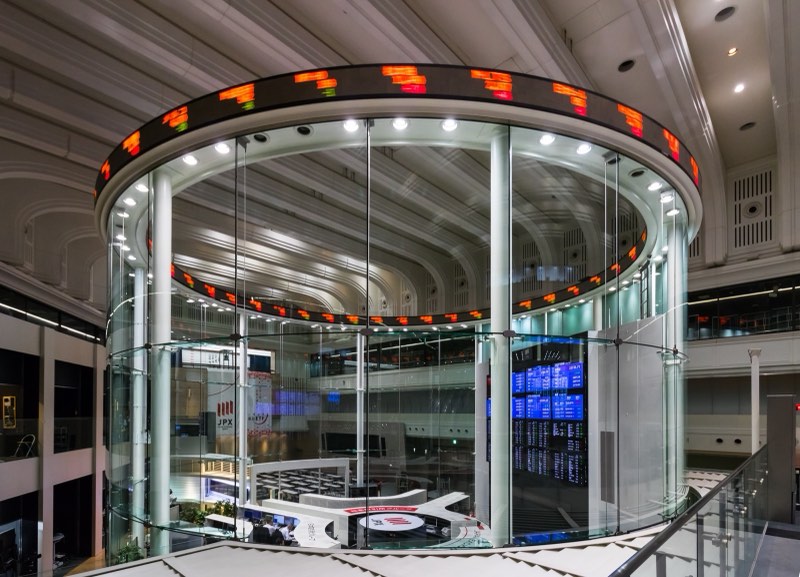 ▶ Includes videoA Brief History of Citypop: Recording the Optimism of a Rising EraCity Pop was born in an era when Japan's economy was on the rise, capturing a generation's optimism that "tomorrow will be better than today"; more than thirty years later, it has been rediscovered by the world.
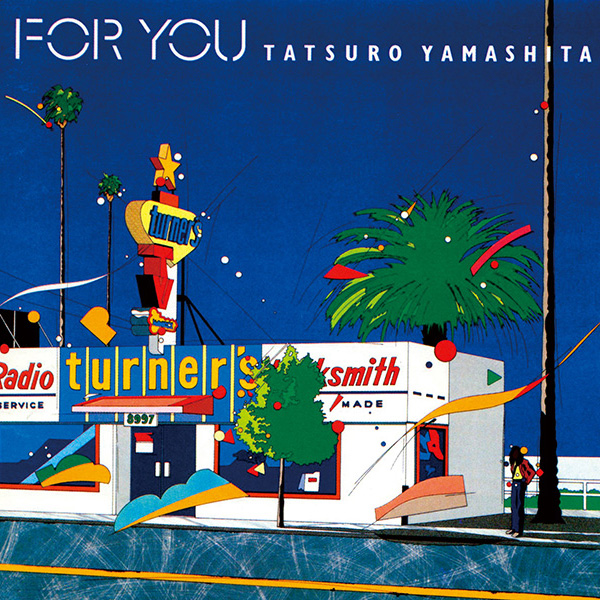 A Brief History of CITY POP: Following the Names on the Back of the RecordPostwar radio and city life, following the collaborations of Haruomi Hosono, Yumi Arai, Tatsuro Yamashita, Taeko Onuki, Tetsuji Hayashi and others, to hear the origins, flourishing, and journey of City Pop. Includes thirteen introductory records.
Subscribe on YouTube
Our videos that touch on city pop. Subscribe to the channel for new ones.
A Brief History of City Pop: The Money Evaporated, the Songs StayedWatch on YouTube ↗
See city pop on the genre map
Its place among more than 1,200 genres, next to its neighbors.
Open the genre map →
Keep digging city pop in Cratto
Scan your records, light up your own genre globe, and see how much of your shelf is city pop.
Get Cratto →Genres city pop directly influenced3
Genre names and classification follow Wikipedia (City pop, List of music genres and styles), CC BY-SA 4.0; lineage lines follow the stylistic origins each genre's entry records. Album artwork and previews come from Apple Music.