




Genre · Europe and the United States, 1920s
Electronic
Where to start with electronic music: Discovery, then seven more albums below, in order.
Electronic music is made with electronic instruments: synthesizers, drum machines, samplers and computers. It began with inventions such as the theremin in the 1920s and with tape experiments in European radio studios after the Second World War, and by the 1970s it had reached popular music.
Listen for three things. The sound itself, built or shaped by machines. The pulse, often a steady beat made for dancing. And the space, the way a track builds slowly, repeats and changes a little at a time. Kraftwerk, Aphex Twin and Daft Punk each use them differently.




If you only play one electronic album, make it this one: house rhythms, filtered disco samples and pop hooks, made to be played loud.
Part of House →Where to start: 8 electronic music albums, in order
Click a cover to hear 30-second previews. Start at the top; each record takes you a little further.
- 01
Discovery
'One More Time', 'Digital Love' and 'Harder, Better, Faster, Stronger': disco samples cut up into French house with big pop choruses.
House  02
Autobahn
The 22-minute title track rebuilds a motorway drive with synthesizers and a drum machine, and showed that pop could be made by machines.
 03
Second Toughest in the Infants
Long tracks that build over a steady pulse, with Karl Hyde's half-spoken vocals; 'Pearls Girl' shows how far one groove can travel.
Techno 04
Music Has the Right to Children
Warm, slightly worn synthesizers over slow hip-hop beats; 'Roygbiv' and 'Turquoise Hexagon Sun' sound like half-remembered television.
Intelligent dance music 05
Timeless
Fast breakbeats and deep bass shaped into long, orchestral pieces; the 21-minute title track is drum and bass at its most ambitious.
Drum and bass 06
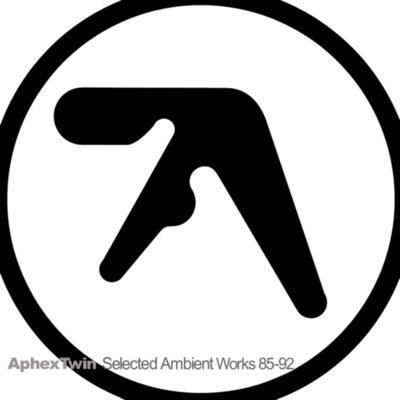
Selected Ambient Works 85–92
Early tracks Richard D. James made at home, gentle melodies over soft beats; 'Xtal' and 'Ageispolis' are good doors in.
Intelligent dance music 07
Ambient 1: Music for Airports
Four slow pieces built out of tape loops of piano and voices, made to fill a room rather than hold your attention.
Ambient music 08
Phaedra
Long sequencer patterns and drifting synthesizer tones recorded by a Berlin trio; music to sink into rather than dance to.
Previews courtesy of Apple Music.
Which one did you like best? Its tag below the cover is the branch to dig into next.
How electronic music grew
5 periods, each with the branches that appeared in it. Branches with a dot have their own page.
- 1920s–1960s
Instruments and tape
Electronic music began with new instruments such as the theremin and with tape studios in Paris and Cologne after the Second World War. By the late 1960s synthesizers had reached rock bands.
On the route: record 7
- 1970s
Synthesizers take over
Kraftwerk in Düsseldorf and Tangerine Dream in Berlin built whole records on synthesizers and sequencers. Brian Eno named ambient music, disco took electronics onto the dance floor, and industrial music made them harsh.
- 1980s
Drum machines and clubs
Cheap drum machines and samplers changed who could make it. House came out of Chicago clubs and techno out of Detroit, and electro tied the synthesizer to hip-hop.
On the route: record 1, record 3
- Late 1980s–1990s
Rave and the home listener
Rave culture in Britain and Europe took the music into fields and warehouses. Jungle sped up the breakbeat into drum and bass, trance stretched out the build, and labels such as Warp released electronic music made for listening at home.
Jungle musicTrance musicHardcore (electronic dance music genre)GlitchElectronicaChill-out musicDrum and bassIntelligent dance musicUK garageOn the route: record 4, record 5, record 6
- 2000s onward
A studio on a laptop
Laptops put a whole studio on one screen. Producers mixed genres freely, and newer styles such as hauntology and deconstructed club picked apart the dance music that came before.
The full lineage tree
Bright border: has its own pageDashed: sources that flowed inSolid line: documented stylistic originFaint dashes: grouped under electronic musicHover a genre to see where it came from and went
Pick a branch of electronic music
The 8 branches people play most. Each has its own 8 albums and lineage.
 1980sHouseA four-on-the-floor kick, soulful vocals and long builds.Open on the genre map →
 1980sTechnoRepetitive, machine-made grooves that change a little at a time.Open on the genre map →
 1960sAmbient musicSlow, quiet textures meant to be heard as a space.Open on the genre map →
 1990sDrum and bassFast breakbeats over deep, rolling bass.Open on the genre map →
 1980sTrance musicLong builds and releases with soaring synth melodies.Open on the genre map →
 1990sIntelligent dance musicDetailed electronic music for listening as much as dancing.Open on the genre map →
 1970sDiscoStrings, a steady dance beat and a groove built for the floor.Open on the genre map →
 1970sIndustrial musicHarsh, mechanical noise and rhythm with a confrontational edge.Open on the genre map →
Go deeper
What we have written about electronic music, newest first.
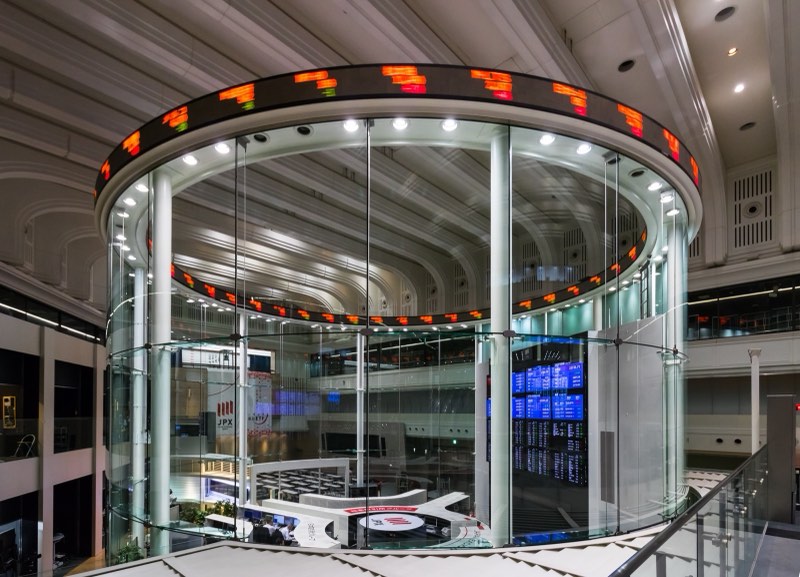 ▶ Includes videoA Brief History of Citypop: Recording the Optimism of a Rising EraCity Pop was born in an era when Japan's economy was on the rise, capturing a generation's optimism that "tomorrow will be better than today"; more than thirty years later, it has been rediscovered by the world.
 Electronic Music Genres: A List of 15 Styles and How They ConnectA 1948 Paris concert of recorded noise, a Chicago warehouse club, a Detroit high school and a South London record shop: the places where electronic music's story happened. 15 main genres along two lineages, a quick-reference table and 12 must-hear albums.
Subscribe on YouTube
Our videos that touch on electronic music. Subscribe to the channel for new ones.
A Brief History of City Pop: The Money Evaporated, the Songs StayedWatch on YouTube ↗
See electronic music on the genre map
Its place among more than 1,200 genres, next to its neighbors.
Open the genre map →
Keep digging electronic music in Cratto
Scan your records, light up your own genre globe, and see how much of your shelf is electronic music.
Get Cratto →All 24 subgenres of electronic musicby decade
1980s
2010s
Undated
Genres electronic music directly influenced60
Genre names and classification follow Wikipedia (Electronic, List of music genres and styles), CC BY-SA 4.0; lineage lines follow the stylistic origins each genre's entry records. Album artwork and previews come from Apple Music.