


Genre · Kingston, Jamaica, late 1960s
Reggae
Where to start with reggae: Exodus, then seven more albums below, in order.
Reggae came out of Kingston, Jamaica, in the late 1960s, after ska and rocksteady. It slowed the beat down and put the weight on the offbeat: a guitar or keyboard chop on the off-beats, a deep bass line, and drums that often leave the first beat of the bar empty.
Listen for three things. The bass, often the real lead instrument. The chop on the offbeat. And the message, often about faith, Rastafari and justice. Bob Marley, Burning Spear and the producers Lee 'Scratch' Perry and King Tubby each show a different side of it.


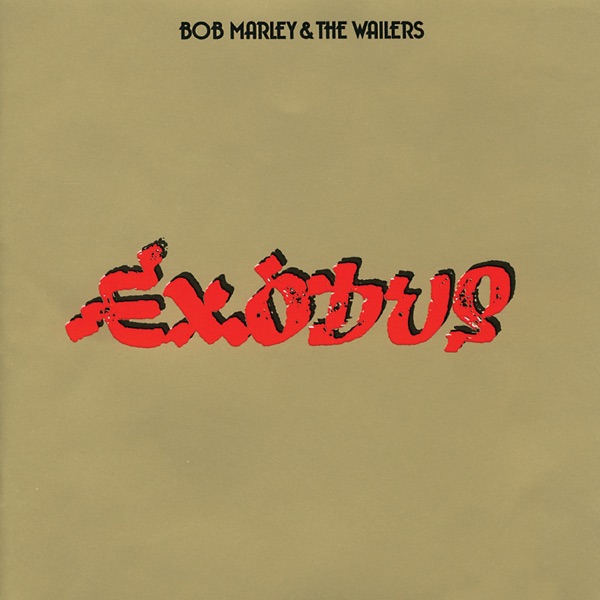
If you only play one reggae album, make it this one: Bob Marley and the Wailers in London, with 'Jamming', 'Three Little Birds' and 'One Love/People Get Ready'.
Part of Roots reggae →Where to start: 8 reggae albums, in order
Click a cover to hear 30-second previews. Start at the top; each record takes you a little further.
- 01
Exodus
Recorded in London after Marley left Jamaica; side two is a run of hits with 'Jamming', 'Waiting in Vain' and 'Three Little Birds'.
Roots reggae  02
The Harder They Come
The soundtrack of the Jamaican film starring Jimmy Cliff; with Toots and the Maytals and Desmond Dekker, it helped carry reggae abroad.
 03
Catch a Fire
The Wailers' first album for Island, with Bob Marley and Peter Tosh; rock overdubs were added in London for listeners abroad.
Roots reggae 04
Marcus Garvey
Chanted songs about Marcus Garvey and African history over heavy, slow grooves.
Roots reggae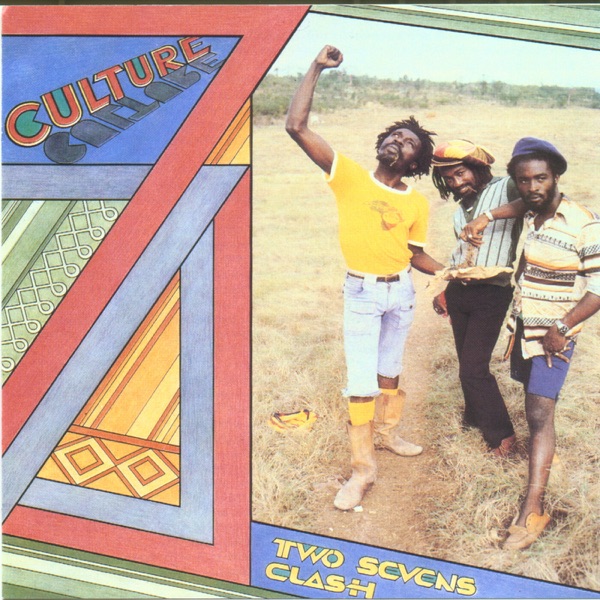 05
Two Sevens Clash
A prophecy record named for 7 July 1977; Joseph Hill's lead over sweet harmony vocals.
Roots reggae 06
Heart of the Congos
Produced by Lee 'Scratch' Perry at his Black Ark studio: high falsetto harmonies in a thick, dreamy mix.
Roots reggae 07
Super Ape
Lee 'Scratch' Perry's dub album: echo, reverb and instruments dropping in and out turn the rhythms into space.
Dub music 08
The Specials
Two-tone ska out of Coventry, England, played fast with punk energy; it shows how far Jamaican ska traveled.
Ska
Previews courtesy of Apple Music.
Which one did you like best? Its tag below the cover is the branch to dig into next.
How reggae grew
5 periods, each with the branches that appeared in it. Branches with a dot have their own page.
- Before 1958
Mento and sound systems
Mento, Jamaica's own folk music, and American rhythm and blues heard on the radio shaped the island's first records. Sound systems played records at street dances.
- 1958–1968
Ska and rocksteady
Fast, horn-driven ska was the sound of independence in 1962. Around 1966 it slowed into rocksteady, leaving more room for the bass and the singers.
On the route: record 8
- 1968–1970s
Roots reggae and dub
Reggae proper arrived around 1968. Roots reggae sang about Rastafari and justice, and producers such as King Tubby and Lee Perry invented dub by remixing the rhythm tracks.
On the route: record 1, record 3, record 4, record 5, record 6, record 7
- 1970s–1980s
Lovers rock and dancehall
In London, lovers rock set romantic songs to reggae, while in Jamaica dancehall put the DJs in front over sparser and, later, digital rhythms.
- 1985 onward
Reggae everywhere
Reggae fusion mixed it with pop, hip-hop and R&B, and Jamaican rhythms fed into reggaeton and jungle.
The full lineage tree
Bright border: has its own pageDashed: sources that flowed inSolid line: documented stylistic originFaint dashes: grouped under reggaeHover a genre to see where it came from and went
Pick a branch of reggae
The 5 branches people play most. Each has its own 8 albums and lineage.
 1960sRoots reggaeSpiritual, socially conscious songs over heavy, slow rhythms.Open on the genre map →
 1950sSkaFast, horn-led Jamaican dance music with an offbeat chop.Open on the genre map →
 1960sDub musicInstrumental remixes full of echo and reverb.Open on the genre map →
 1970sDancehallDJs toasting over sparse, often digital rhythms.Open on the genre map →
 1980sReggae fusionReggae mixed with pop, hip-hop and R&B.Open on the genre map →
See reggae on the genre map
Its place among more than 1,200 genres, next to its neighbors.
Open the genre map →
Keep digging reggae in Cratto
Scan your records, light up your own genre globe, and see how much of your shelf is reggae.
Get Cratto →All 8 subgenres of reggaeby decade
Genres reggae directly influenced22
Genre names and classification follow Wikipedia (Reggae, List of music genres and styles), CC BY-SA 4.0; lineage lines follow the stylistic origins each genre's entry records. Album artwork and previews come from Apple Music.